
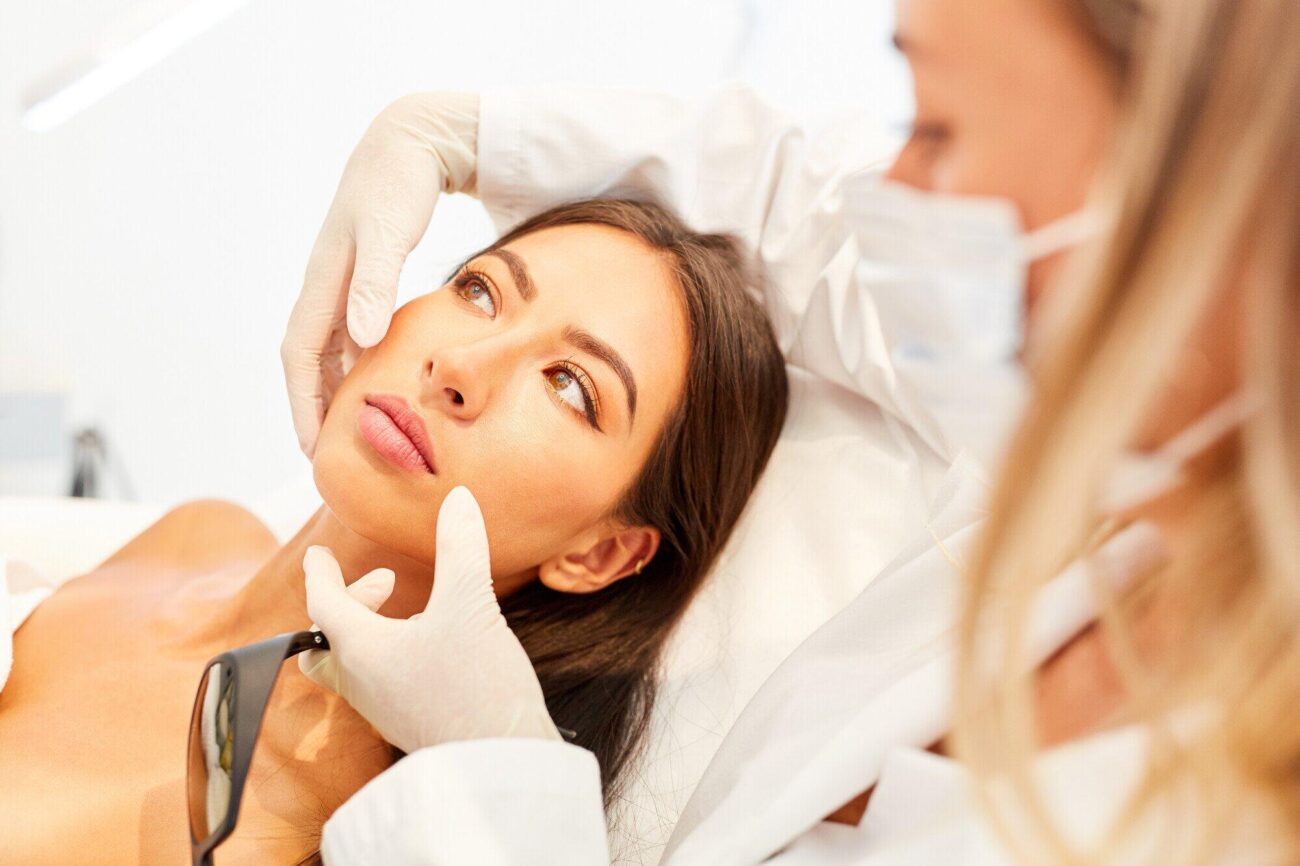
Introduction
When it comes to facial rejuvenation, many people want to look younger without the lengthy recovery and risks that come with traditional surgery. A laser facelift has become a popular answer to that wish: a non-invasive treatment that uses focused light energy to tighten skin, smooth wrinkles, and refresh the face — with no cuts, no stitches, and minimal downtime. The top benefits of choosing a laser facelift over traditional surgery are that it is far less invasive, recovery is much shorter, it carries fewer risks and complications, and it produces gradual, natural-looking results without a pulled or artificial look. This guide explains each benefit in detail, shows how a laser facelift works, who it suits best, and what it cannot do — so you can decide whether it is the right choice for you.
Quick Guide
| Topic | Laser facelift | Traditional surgery |
|---|---|---|
| Approach | Focused light energy; no cuts or stitches | Incisions, tissue lifting, and skin removal |
| Anaesthesia | Usually none, or light numbing only | Usually general anaesthesia |
| Downtime | Little to none; most people resume routine within days | Days to weeks of recovery |
| Results | Gradual, subtle, and natural-looking | More immediate and more dramatic |
| Risks | Lower; mainly temporary redness or swelling | Higher; infection, scarring, and anaesthesia risks |
| Best for | Mild to moderate sagging and early ageing | More advanced sagging and larger changes |
Step-by-Step Guide
- Be clear about your goal. Decide whether you want a subtle refresh or a dramatic change — a laser facelift suits the first.
- Learn how it works. Read this guide so you understand what laser energy does to the skin.
- Check whether you are a good candidate. Laser facelifts suit mild to moderate sagging, not advanced ageing.
- Compare the trade-offs. Weigh a gentler treatment and faster recovery against subtler results and possible repeat sessions.
- Find a qualified provider. Look for a trained practitioner with experience in laser facial treatments.
- Ask about sessions and aftercare. Ask how many sessions you may need, what to expect afterwards, and how to care for your skin.
- Decide without pressure. Take time to think — a reputable clinic will never rush you into booking.
How a Laser Facelift Works
A laser facelift is not surgery at all. Instead of cutting and lifting tissue, it uses a focused beam of light to heat the deeper layers of the skin in a controlled way. That heat stimulates the skin’s natural collagen production — collagen is the protein that keeps skin firm and elastic — and the new collagen gradually tightens and lifts the skin over the following weeks and months.
Different laser systems work slightly differently: some target the surface to improve texture and fine lines, while others reach deeper to firm and tighten. A practitioner chooses the approach based on your skin type, your concern, and the result you want. Because there are no incisions, there is no wound to heal, no stitches to remove, and no scar to hide — which is the foundation of all four benefits below.
Benefit 1: Less Invasive Than Traditional Surgery
The biggest benefit of a laser facelift is how much less invasive it is than traditional facelift surgery. A traditional facelift requires incisions along the face, cutting through layers of skin and tissue, and usually general anaesthesia. That is a significant procedure, however skilled the surgeon.
A laser facelift, by contrast, uses a focused beam of light to stimulate the skin’s natural collagen production, tightening and lifting the skin without any cuts or stitches. There is far less trauma to the skin and the tissues beneath it, no anaesthesia to recover from, and no surgical wound at all. For people who want to refresh their face but feel uneasy about going under the knife, that difference alone can be the deciding factor.
Benefit 2: Shorter Recovery Time
Because a laser facelift is non-invasive, the recovery time is much shorter than with traditional surgery. With a traditional facelift, patients can expect to take weeks off work and other daily activities to heal. Bruising, swelling, and discomfort are part of that recovery, and strenuous activity is off the table until the surgeon says otherwise.
After a laser facelift, most people are able to return to their normal routine within a few days — and often sooner. There may be some redness or mild swelling, but it typically goes away quickly, and many people feel comfortable going out in public the next day. That makes a laser facelift an ideal choice for anyone who wants to look younger without taking significant time off work or social activities.
Benefit 3: Fewer Risks and Complications
Traditional facelift surgery carries several risks, including infection, bleeding, nerve damage, scarring, and complications from anaesthesia. These risks are significantly reduced with a laser facelift. Because the procedure is non-invasive and does not require cuts or stitches, the chances of developing complications are much lower — there is no surgical wound to become infected and no anaesthesia to react to.
Laser treatments are also highly precise, targeting only the skin layers that need to be treated and leaving the surrounding tissue unharmed. That precision makes a laser facelift a safer option for many people looking for a facial rejuvenation treatment. It is not risk-free — temporary redness, swelling, and sensitivity are common, and skin type affects how the skin responds — but for most suitable candidates, the risk profile is far gentler than surgery.
Benefit 4: Natural-Looking Results
A laser facelift tightens skin, reduces wrinkles, and restores a youthful glow — but it does so gradually. Because the treatment works by boosting the body’s own collagen, the results take time to show, and they arrive as a subtle, natural lift rather than a sudden change. Friends may notice you look fresher and more rested without being able to say exactly what changed.
That gradual quality is a real advantage. Traditional facelifts, even well performed ones, can sometimes lead to an overly tightened or artificial look, especially if too much skin is pulled. A laser facelift avoids that risk entirely: there is no pulling, no tightness, and no “done” appearance — just skin that looks firmer, smoother, and healthier over time.
Who a Laser Facelift Suits Best
A laser facelift works best for people with mild to moderate signs of ageing: early sagging along the jawline, fine lines, loss of firmness, and dull or uneven texture. It also suits people who want a refresh but are not ready — or not willing — to have surgery, and people whose schedules cannot absorb weeks of recovery.
It is less suitable for advanced sagging, deep folds, or significant loose skin, where only surgery can remove the excess. Age alone is not the deciding factor; it is the condition of your skin and the amount of laxity. A consultation with a qualified practitioner is the honest way to find out whether you are a good candidate — they can assess your skin and tell you what a laser treatment can realistically achieve.
What a Laser Facelift Cannot Do
Honesty matters here, because a laser facelift has real limits. It cannot remove large amounts of loose skin, lift deeply sagging jowls, or reshape the face the way a surgical facelift can. It cannot fix heavy eyelids, deep folds, or significant volume loss. And because results are gradual, it will not give you a dramatic change before a big event next week.
It also usually takes more than one session to reach the best result, and the effects fade over time as ageing continues — maintenance sessions may be needed. None of that makes a laser facelift a poor choice; it makes it the right choice for the right person. Knowing its limits is what stops disappointment later.
Aftercare and Making Results Last
After a laser facelift, the skin needs gentle care. Practitioners usually advise keeping the skin moisturised, avoiding strong active ingredients for a short period, and protecting the treated area from the sun — sunscreen is essential, because freshly treated skin is more sensitive to sunlight. Makeup can usually be worn again after a day or so, once any redness has settled.
Results also last longer with the basics done well: sun protection every day, a simple skin care routine, enough sleep, and not smoking. A laser facelift is a useful tool, not a permanent fix — but combined with good habits, its effects can be enjoyed for a long time. To compare the full range of surgical options, read the different types of facelifts so you can see where a laser treatment fits among them. And if you are considering a deeper surgical route, our article on the benefits of a deep plane facelift explains a technique that lifts the deeper layers of the face.
Conclusion
A laser facelift offers four clear benefits over traditional surgery: it is far less invasive, recovery is much shorter, it carries fewer risks, and it gives natural-looking results that arrive gradually. For people with mild to moderate ageing who want a genuine refresh without surgery, downtime, or an artificial look, it can be an excellent option. It is not a replacement for surgery when the ageing is advanced — but for the right candidate, it is a gentler, safer, and more convenient way to look younger. If your main concern is sagging in the cheeks, also read our guide to minimally invasive treatments for sagging cheeks to compare other gentle options before you decide.
Frequently Asked Questions
Is a laser facelift painful?
Most people feel warmth and mild discomfort rather than pain, and numbing cream is often used. Any redness or sensitivity after the treatment usually settles within a day or two.
How long does it take to recover from a laser facelift?
Recovery is short — most people return to normal activities within a few days, with only temporary redness or mild swelling in the meantime.
How long do laser facelift results last?
Results build gradually as new collagen forms and usually last for months, but ageing continues, so maintenance sessions may be needed to keep the effect.
Can a laser facelift replace a surgical facelift?
Not for advanced sagging or large amounts of loose skin. A laser facelift suits mild to moderate ageing; a surgical facelift is needed for a larger, more dramatic change.
How many sessions will I need?
It varies with your skin and your goal, but more than one session is common. Your practitioner can advise on a realistic plan after assessing your skin.
Disclaimer: This article is for general information only and is not medical advice. Cosmetic treatments carry risks, and suitability depends on your individual health, skin type, and circumstances. Please consult a qualified healthcare professional before deciding on any treatment. The Styles Magazine does not accept guest posts, paid promotions, or advertising in its articles.
