
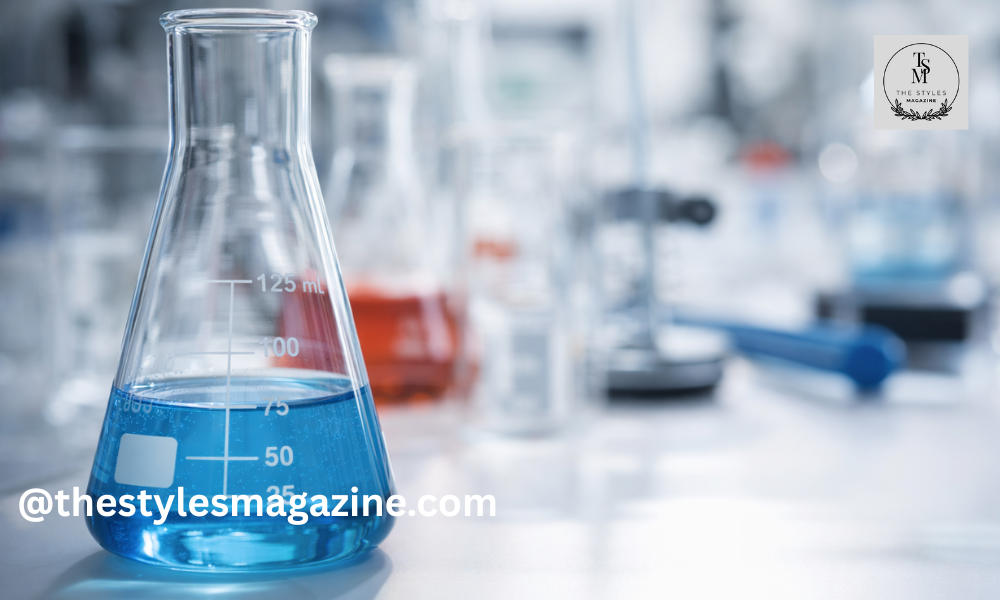
An erlenmeyer flask is one of those lab tools you’ll see everywhere, from school science rooms to professional research labs. It looks simple, but the shape is very intentional. That wide base and narrow neck make it easier to mix liquids, heat solutions, and handle experiments with less mess.
In this guide, I’ll walk you through what an erlenmeyer flask is, how it works, what people use it for, and how to choose the right one. I’ll also share practical handling and cleaning tips that make a real difference in day-to-day lab work.
What Is An Erlenmeyer Flask?
An erlenmeyer flask is a conical container with a flat bottom and a narrow neck. Many people also call it a “conical flask.” The shape helps you swirl liquids without splashing, which is one reason it’s so common in chemistry and biology labs.
Most erlenmeyer flasks have volume markings on the side. These markings are usually meant for rough estimates, not for precise measurement. If you need exact volumes, you would typically use a volumetric flask, graduated cylinder, or pipette instead.
A Quick History: Why It Was Designed This Way
The erlenmeyer flask is named after Emil Erlenmeyer, a German chemist. The classic conical design became popular because it solved a very practical problem: mixing liquids safely and efficiently.
Before this design, mixing in open containers could be messy. A narrow neck reduces splashing and helps keep contents contained while you swirl. Over time, the erlenmeyer flask became a “default” piece of lab glassware because it works well for many common tasks.
Anatomy of An Erlenmeyer Flask (And Why Each Part Matters)
Even though it’s a basic piece of equipment, each part of an erlenmeyer flask has a purpose.
Flat bottom: This keeps it stable on a bench, inside a sink, or on a hot plate. It also makes it easier to set down without tipping.
Wide base: The base gives you a larger surface area. That can help with mixing and, in some cases, heat distribution.
Conical sides: The angled walls guide liquid back down when you swirl. This is why you can mix vigorously without sending liquid over the rim.
Narrow neck: The narrow opening limits splashes, reduces evaporation, and makes it easier to use a stopper, cap, or cotton plug.
Graduations (volume marks): These are helpful for quick estimates. Just remember they’re not designed for accurate measuring.
What Is An Erlenmeyer Flask Used For?
The erlenmeyer flask is popular because it’s flexible. Here are the most common uses.
Mixing And Swirling
This is the classic use. If you’ve ever needed to dissolve a powder, mix two liquids, or blend a solution evenly, swirling in an erlenmeyer flask feels natural. The shape helps create a smooth swirling motion with less risk of splashing.
A simple tip from lab routines: when swirling, keep your wrist relaxed and use a gentle circular motion. You’ll get a better mix without sloshing liquid up the neck.
Titrations
In many titration setups, the receiving container is an erlenmeyer flask. The reason is simple: you can swirl the solution while adding titrant without spilling. The narrow neck also helps control splashes when the reaction starts to change quickly.
Heating Solutions
An erlenmeyer flask can be used for heating in many situations, especially on a hot plate. It’s common for warming solutions, dissolving solids, or holding a mixture while it reaches a certain temperature.
That said, not every flask is meant for every heat source. If you’re dealing with high heat or strong temperature changes, the material and quality of the flask matter a lot.
Temporary Storage
Because the neck is narrow, an erlenmeyer flask is convenient for short-term storage. You can use a rubber stopper, foam stopper, or screw cap depending on the flask type and what you’re storing.
If the liquid gives off gas or may build pressure, you need to be careful with tight sealing. In those cases, a breathable closure or vented cap is safer.
Microbiology And Culture Work
In biology labs, erlenmeyer flasks are often used for growing cultures, especially when placed on a shaker. The swirling motion helps oxygen move into the liquid and keeps cells or microbes evenly suspended.
If you’ve ever seen a flask filled only partway during shaking, that’s intentional. Extra headspace improves mixing and helps maintain a healthier growth environment.
Erlenmeyer Flask vs Beaker vs Volumetric Flask
These three pieces of labware can look similar to a beginner, but they are made for different jobs.
Erlenmeyer Flask vs Beaker
A beaker is wide and open, which is convenient for pouring, stirring, and general holding. But a beaker splashes more easily when swirling. An erlenmeyer flask is better when you want controlled mixing, fewer splashes, and an easier option for closing the top.
A quick rule: if you’ll be swirling, carrying, or stoppering the container, the erlenmeyer flask is often the better choice.
Erlenmeyer Flask vs Volumetric Flask
A volumetric flask is designed for accuracy. It typically has one calibration mark and is used to prepare solutions with a very exact final volume. An erlenmeyer flask is more about mixing and flexibility than precision.
If your task is “make exactly 250 mL of solution,” use volumetric glassware. If your task is “mix and react these liquids safely,” an erlenmeyer flask is usually perfect.
Materials And Types: Glass, Plastic, And Specialty Options
Choosing the right erlenmeyer flask often comes down to material and design.
Borosilicate Glass
Borosilicate glass is common in labs because it handles heat and many chemicals well. It’s also clear, which makes it easy to observe reactions, color changes, or sediment.
The downside is breakage. Glass can chip or shatter if dropped or if it experiences sudden temperature shock. Even a small crack can become a bigger problem later, especially during heating.
Plastic (Like Polypropylene)
Plastic erlenmeyer flasks are popular when shatter resistance matters. They’re lighter and safer for transport. Many labs also prefer plastic for field sampling or settings where glass breakage is a serious risk.
However, plastic has limits. Some solvents can damage it, and many plastics do not handle high heat as well as borosilicate glass. Always match the material to your use case.
Narrow Mouth vs Wide Mouth
A narrow mouth is great for swirl mixing and limiting evaporation. A wide mouth makes it easier to add powders, insert tools, or clean the flask.
If you regularly add solids or use scoops, a wide-mouth erlenmeyer flask can save time and reduce spills.
Closures: Stoppers, Caps, and Plugs
Some flasks are designed for rubber stoppers. Others come with screw caps, and some have special vented closures for shaking cultures.
Think about what you need: do you want a tight seal, a breathable cover, or quick open-close convenience? The right closure makes the flask more practical and safer.
Specialty Flasks (Baffled and Amber)
You may see baffled flasks used for shaking. The internal ridges increase turbulence, which can improve mixing and oxygen transfer. Amber flasks are used for light-sensitive solutions because they reduce exposure to light.
You don’t need specialty options for basic chemistry work, but they can matter in certain lab workflows.
Sizes And Volume: How To Pick the Right Capacity
Erlenmeyer flasks come in many sizes, from very small to several liters. Common everyday sizes include 50 mL, 125 mL, 250 mL, 500 mL, and 1,000 mL.
A practical sizing tip is to avoid filling the flask anywhere near the top. If you plan to swirl or shake, leave plenty of headspace. Many lab workers follow a simple habit: choose a flask that’s at least 2 to 3 times the volume of the liquid you’ll be mixing. It makes swirling easier and reduces splash risk.
For shaking cultures, people often fill even less than that. More headspace usually means better mixing and more consistent results.
Safe Handling And Heating Tips (Practical, Real-World Advice)
Working with an erlenmeyer flask is usually straightforward, but small habits matter. These tips help prevent spills, burns, and broken glass.
Check For Damage Before Use
Look for chips around the rim and cracks in the glass. A tiny crack can fail during heating or swirling, and it’s not worth the risk.
Swirl With Control
When mixing, don’t whip the flask wildly. Use a steady circular motion. Keep the opening angled slightly away from you, especially if you’re working with acids, bases, or anything that could splash.
Avoid Thermal Shock
If you heat a flask, don’t place it directly on a cold surface right after. Sudden temperature changes can cause glass to crack. Use a heat-safe mat or allow it to cool gradually.
Don’t Seal a Hot Flask Tightly
If the contents are hot or could release gas, a tight cap can create pressure. This can lead to leaks or sudden popping. Use a breathable closure if you’re not sure, and let hot solutions cool before sealing fully.
Use The Right Support For Heating
If heating is part of your work, use equipment that holds the flask safely. Stability matters. A small slip can turn into a serious spill.
Cleaning, Sterilizing, And Storage
Good cleaning habits keep your erlenmeyer flask in usable condition and also protect your results from contamination.
Rinse Immediately When Possible
If you let residues dry, they become harder to remove. A quick rinse right after use saves time later.
Use the Right Brush And Avoid Scratching
Use a brush that fits the neck and reaches the bottom. Avoid harsh scrubbing that scratches the inside surface. Scratches can trap residue and can also weaken glass over time.
Choose Cleaning Agents Carefully
Mild detergent and warm water work for many tasks. For stubborn residues, labs often use specialized cleaners, but you should always match cleaning methods to what was inside the flask.
Dry And Store Properly
Let the flask dry fully before storage, especially if it will be capped. Store it where the rim won’t knock against other glassware. Many chips happen during storage, not during experiments.
Sterilization Basics
For microbiology work, sterilization may be needed. Many glass flasks can be sterilized using standard lab methods, but closures and plastics may have specific limits. Always confirm that the material is compatible with your sterilization method.
Quick Buyer Checklist
If you’re choosing an erlenmeyer flask for the first time, here’s a simple checklist you can use:
- Purpose: mixing, heating, titration, storage, or shaking cultures
- Material: borosilicate glass for heat and chemicals, plastic for shatter resistance
- Mouth type: narrow for swirling, wide for adding solids and cleaning
- Size: choose larger than your working volume to leave headspace
- Closure: stopper, screw cap, breathable plug, or vented cap as needed
- Quality: clear markings, sturdy walls, and a stable base
Conclusion
The erlenmeyer flask is a classic piece of labware because it’s practical, versatile, and easy to use. The conical shape and narrow neck make it ideal for swirling, mixing, titrations, and many everyday lab tasks. With the right size, material, and handling habits, it becomes one of the most reliable tools on your bench.
If you’re choosing one for your work, focus on your real use case first. Pick the material that fits your chemicals and heat needs, choose a size with plenty of headspace, and use a closure that matches how you’ll store or shake the contents. Done right, an erlenmeyer flask isn’t just a container, it’s a tool that helps your work stay cleaner, safer, and more consistent.
FAQs
Can I Measure Accurately With An Erlenmeyer Flask?
Not really. The markings are usually for rough estimates. For accuracy, use a graduated cylinder, pipette, or volumetric flask.
Why Is The Narrow Neck Such A Big Deal?
It reduces splashes, helps control evaporation, and makes it easier to cover or seal the flask. It also improves swirling efficiency.
Can An Erlenmeyer Flask Be Used On A Hot Plate?
Many can, especially borosilicate glass. Just avoid sudden temperature changes and check for cracks before heating.
What’s The Difference Between An Erlenmeyer Flask And A Vacuum (filter) Flask?
A vacuum flask usually has thicker walls and a side arm for attaching tubing. It’s designed to handle vacuum pressure during filtration. A standard erlenmeyer flask is not built for that job.
Is Plastic Always Safer Than Glass?
Plastic is safer in terms of breakage, but not always in chemical compatibility or heat resistance. The safest choice depends on what you’re doing.
Does this article help you? Explore our website The Styles Magazine to find more helpful and fun stories that could help you.
Disclaimer: This article is for general educational and informational purposes only. Lab procedures, chemical handling, and heating glassware can be hazardous if done incorrectly. Always follow your lab’s safety rules, your instructor or supervisor’s guidance, and the safety data sheets (SDS) for any chemicals you use. If you’re unsure whether a specific erlenmeyer flask, material, or method is suitable for your task, consult a qualified lab professional or the manufacturer’s instructions.
Lepbound: A Simple Guide To The New Weight Loss Injection Everyone Is Talking About
