
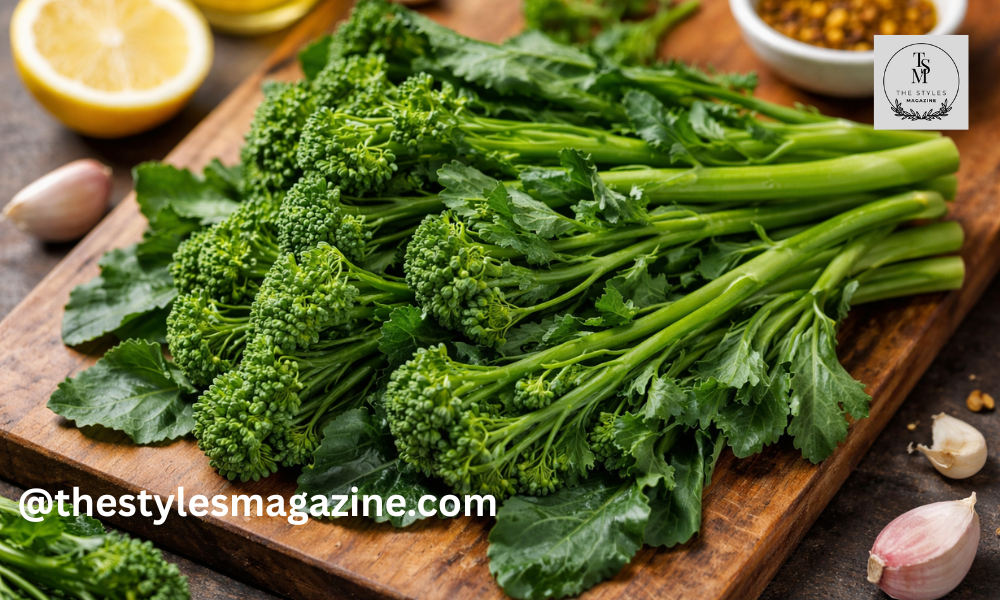
If you searched crocolini and felt a little confused, you’re not alone. The word shows up online in more than one way, and not every page explains it clearly. This guide is written to give you a complete, practical understanding of crocolini, especially as it’s most commonly used in food and cooking conversations. By the end, you’ll know what crocolini is meant to be, how to shop for it, how to cook it so it tastes great, and what to do if you can’t find it locally.
What Does “Crocolini” Mean?
Most people using the keyword crocolini are talking about a green vegetable, usually described like a tender-stem, leafy green that sits somewhere between broccoli-style stems and kale-style leaves. Some websites label it as a “supergreen,” while others treat it like a specialty produce item you can cook quickly.
At the same time, crocolini can also appear as an internet term or meme. That’s why search results sometimes look mixed. In this article, the main focus is the food meaning, because that’s where most readers want clear, usable information.
Crocolini As A Vegetable: What It’s Similar To
When crocolini is described as produce, it’s usually compared to familiar greens like broccolini, baby broccoli, kale, or other tender-stem vegetables. The idea is simple: you get edible stems that cook fast, plus leaves that soften nicely when sautéed or roasted.
Flavor-wise, it’s generally described as mild, slightly earthy, and a little sweet once cooked. If you’ve ever cooked broccolini or sautéed kale with garlic, you already know the general direction. The main difference is texture. Crocolini is typically described as more tender than mature kale, and less “bulky” than full broccoli florets.
If you are trying to identify it in a store, don’t expect a universal look. Some places may use “crocolini” as a label for a specific crop, while others may use it loosely for a similar tender green bundle.
How To Identify Crocolini When Shopping
Because crocolini is not as standardized as broccoli or spinach, your best approach is to shop by appearance and cooking use rather than relying only on the name.
Look for these signs:
- Slim stems that bend slightly but don’t feel limp
- Fresh, deep green leaves without yellowing
- Clean ends that are not slimy or dried out
- A light, fresh smell, not sour or musty
If crocolini is sold in bunches, check the center of the bundle. That’s where moisture and decay show up first. If the middle leaves look wet or blackened, choose a different bunch.
Where you’re most likely to find it:
- Specialty grocery stores with strong produce sections
- Farmers markets (especially if vendors sell unique greens)
- Produce delivery boxes or seasonal local farm bundles
If you don’t see “crocolini” specifically, ask the produce staff: “Do you have a tender-stem green that cooks like broccolini and kale?” Sometimes staff can point you to a similar item even if the label name differs.
How To Store Crocolini So It Stays Fresh
Crocolini usually behaves like other tender greens. It wilts if it’s trapped in moisture, and it dries out if it’s left exposed.
A simple storage method that works well:
- Keep it unwashed until you’re ready to cook.
- Wrap the bunch loosely in a dry paper towel.
- Place it in a produce bag or container with a little airflow.
- Store it in the crisper drawer.
If it already looks slightly limp, you can revive it. Trim the very ends and place the stems in a glass of cool water for 20 to 30 minutes, like flowers. Then dry it well before cooking.
Best-use timeline:
- For best texture: 1 to 3 days
- Still usable with good cooking: up to 4 or 5 days (if stored properly)
How To Prep Crocolini The Right Way
Prepping crocolini is quick, but a few small steps make a big difference in taste and texture.
Start with a good rinse. Tender greens can hold grit in the leaves. Wash in a bowl of water, swish gently, and lift the greens out. If you pour the water out with the greens still inside, the grit can fall back on them.
Then dry it well. Water left on leaves can cause steaming instead of sautéing, which can make the result taste bland.
Next, trim the ends. If the bottom inch feels tough or dry, cut it off. If some stems are thicker than others, split the thicker ones lengthwise. That helps everything cook evenly.
A personal tip that saves weeknight dinners: prep the whole bunch once, then store it dry in a container. When you’re hungry, you can cook crocolini in minutes without extra mess.
The Best Ways To Cook Crocolini (Simple and Reliable)
Crocolini shines in fast cooking methods. The goal is to keep it bright and tender, not overcooked and dull.
Quick sauté (the easiest method)
Heat a pan, add a little oil, then cook stems first for 1 to 2 minutes. Add leaves after. Finish with salt, pepper, and a squeeze of lemon. This is the most foolproof approach, especially if you’re new to the ingredient.
Roasting for crisp edges
Roasting gives you a slightly sweet, toasted flavor. Spread crocolini on a sheet pan, drizzle oil, add salt, and roast hot until the edges crisp. If leaves start browning too fast, add them halfway through.
Stir-fry with a savory sauce
Crocolini fits perfectly in stir-fries because it cooks quickly and holds texture. Add it near the end so it stays vibrant. A simple sauce of soy, garlic, and a touch of sesame oil works well.
Blanch and finish
If you want restaurant-style color, blanch for 30 to 60 seconds, then move it to cold water and dry it. After that, finish in a pan with garlic and oil. This method is great for guests because the green stays bright.
Add to pasta, eggs, or grain bowls
Crocolini is an easy “upgrade” ingredient. Toss it into pasta during the last minute of cooking, fold it into scrambled eggs, or place it on top of a grain bowl with a simple dressing. It adds color and nutrition without complicated prep.
Flavor Pairings That Make Crocolini Taste Better
Crocolini has a mild green flavor, so it pairs well with ingredients that add contrast.
Great pairings include:
- Acid: lemon juice, vinegar, tomatoes
- Umami: parmesan, mushrooms, miso, soy sauce
- Heat: chili flakes, black pepper, chili oil
- Crunch: toasted nuts, breadcrumbs, seeds
If you ever cook crocolini and it tastes “too green,” it usually needs one of two things: a little acid or a little salt. A squeeze of lemon at the end can change everything.
Nutrition: Is Crocolini Actually Healthy?
As a leafy green and stem vegetable, crocolini is generally considered a nutrient-dense choice. Most greens like this tend to offer a mix of fiber and micronutrients. The exact nutrition will vary depending on the specific plant being sold as crocolini, so it’s smart not to rely on one fixed nutrition label unless your package provides it.
From a practical health perspective, crocolini has a big advantage: it’s easy to eat often. It cooks fast, works in many meals, and doesn’t require complicated recipes. For most people, that’s the real win. Consistency matters more than chasing a “perfect superfood.”
If you want to keep it as healthy as possible, aim for simple cooking methods like sautéing, roasting, or quick steaming, and avoid drowning it in heavy sauces.
Sustainability And Smart Buying Tips
People often ask whether crocolini is eco-friendly. The honest answer is that sustainability depends more on how it’s grown and shipped than on the name itself.
If you want a more sustainable choice:
- Buy it in season if possible
- Choose local farms when available
- Use the whole bunch (stems and leaves) to reduce waste
- Store it properly so you don’t throw it out
Another tip that helps both your budget and waste: cook crocolini in two stages if needed. Use stems in one meal and leaves in another. Leaves work well in soups, eggs, and pasta.
Why Crocolini Sometimes Looks Like A “Trend” Online
Some search results use crocolini as a quirky internet term. That doesn’t mean the vegetable meaning is fake, but it does explain why Google results can look inconsistent. When a word becomes popular in different circles, the search engine has to guess what you meant.
If you landed on pages talking about miniature crocodiles or viral jokes, you didn’t do anything wrong. It’s the keyword itself that’s mixed. That’s also why a clear, helpful article like this can rank well: it answers the question properly and reduces confusion fast.
Conclusion
Crocolini is a keyword that can lead to confusing search results, but the cooking use is straightforward. When people talk about crocolini as food, they usually mean a tender green vegetable with stems and leaves that cook quickly and fit into everyday meals. If you shop for freshness, store it dry, and cook it with simple methods like sautéing or roasting, you’ll get a bright, tasty side dish in minutes.
If you came here unsure what crocolini meant, now you have a clear answer and a practical plan. Whether you find it labeled as crocolini or as a similar tender-stem green, you can cook it confidently and make it part of your regular meals.
FAQs
Is Crocolini The Same As Broccolini?
Not always. Some people use the terms similarly, but they’re not guaranteed to be the same plant. Treat crocolini like a tender green that cooks like broccolini and kale, and shop by appearance and freshness.
Can I Eat Crocolini Raw?
If it’s fresh and tender, you can try it raw in small amounts, especially the leaves. Many people prefer it lightly cooked because it becomes sweeter and easier to chew.
What’s The Easiest Way To Cook Crocolini So It Tastes Good?
A quick sauté with garlic, salt, and lemon is the simplest method that still tastes complete. Cook stems first, then add leaves.
How Do I Store It So It Doesn’t Go Slimy?
Keep it dry. Wrap it in a paper towel, store it in the crisper, and wash it only when you’re ready to cook.
What Can I Substitute If I Can’t Find Crocolini?
Use broccolini, baby broccoli, tender kale, or even a mix of spinach and asparagus depending on your recipe. Choose something that cooks quickly and stays bright.
Thank you for exploring our Blog! For additional captivating content, feel free to explore the corresponding category.
