
Introduction
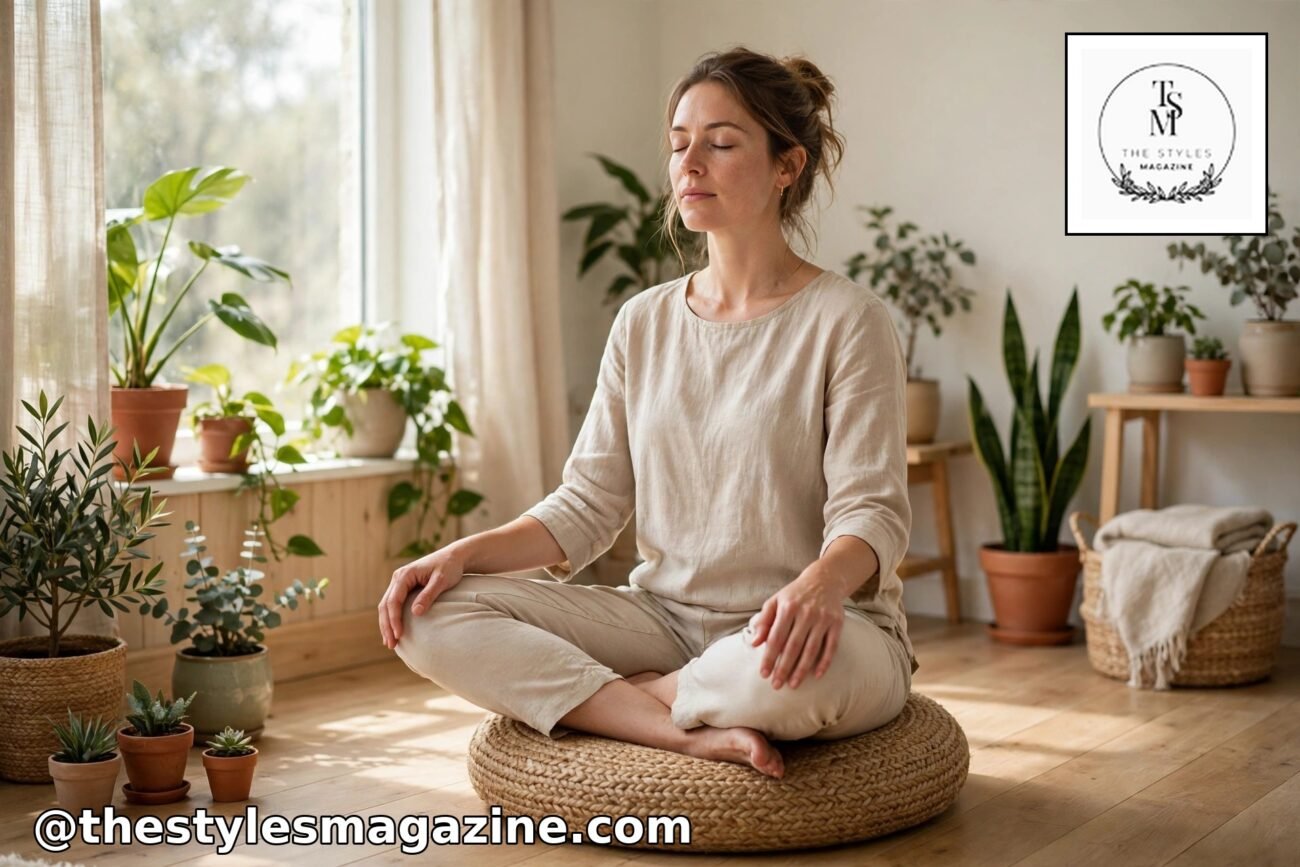
Meditation can sound mysterious, as if it requires a silent room, a special cushion, and an empty mind. In reality, meditation techniques are simple, practical ways of training attention, and most of them can be learned in a few minutes. They involve sitting comfortably, choosing one focus, such as the breath or the body, and gently returning attention to it whenever the mind wanders. That returning, done kindly again and again, is the practice itself.
This guide explains meditation for beginners in plain language, with several techniques you can try at home. You will learn breathing meditation techniques, body scan meditation, mindfulness practice, loving-kindness, and guided meditation, plus how to build a short daily session that fits real life. It is to develop a steadier, kinder attention, a few minutes at a time, most days of the week.
Meditation techniques are structured ways of training attention, such as following the breath, scanning the body, or noticing thoughts without judgement, practised in short, regular sessions; thestylesmagazine.com only provides information about meditation techniques, nothing else.
Quick Guide
| Technique | Focus | Start with | Best for |
|---|---|---|---|
| Breath awareness | The natural breath | 5 minutes | Calm and focus |
| Body scan | Sensations, head to toe | 10 minutes | Relaxation and body awareness |
| Mindfulness | Thoughts and sounds | 5 minutes | Noticing without reacting |
| Loving-kindness | Kind wishes | 5 minutes | Kindness towards self and others |
| Guided | A voice leading you | 10 minutes | Structure and confidence |
Step-by-Step Guide
- Choose a quiet spot, sit comfortably with a straight back, and set a timer for five minutes.
- Close your eyes or soften your gaze, and take three slow, natural breaths.
- Choose one focus, such as the breath, and rest attention there gently.
- When the mind wanders, notice it kindly and return attention to the focus, without judgement.
- When the timer ends, open your eyes slowly, stretch, and notice how you feel before moving on.
What Meditation Is, and What It Is Not
Meditation is the practice of paying attention on purpose, in the present moment, without harsh judgement. It is not about stopping thoughts, achieving bliss, or emptying the mind completely. The practice is noticing a thought, letting it pass without following it, and returning to the chosen focus. That cycle, repeated many times in a session, is what trains attention over weeks and months.
Meditation is also not a medical treatment, a religion, or a test of character. It can be practised by people of any belief or none, in any comfortable setting. A chair, a quiet corner, and a few minutes are enough. What it does require is regularity and kindness towards yourself. A short session done daily will teach you far more than a long session done once, and a wandering mind is not a failed session. It is a normal mind, learning to return.
How Meditation May Help
Meditation may help by giving the mind regular practice in noticing, pausing, and choosing a response. In daily life, reactions often happen automatically: a message causes worry, a criticism causes defensiveness, a busy day causes rushing. Meditation creates a small gap between what happens and how you respond, and in that gap, a calmer choice becomes possible.
It is important to keep claims honest. Meditation is a helpful habit, not a cure for illness, and it does not replace professional care for anxiety, depression, trauma, or other serious difficulties. Used gently and regularly, meditation can support calmer days and clearer attention, but it should be one part of a wider pattern of rest, movement, and care, not the whole of it.
Getting Started: Posture, Time, and Place
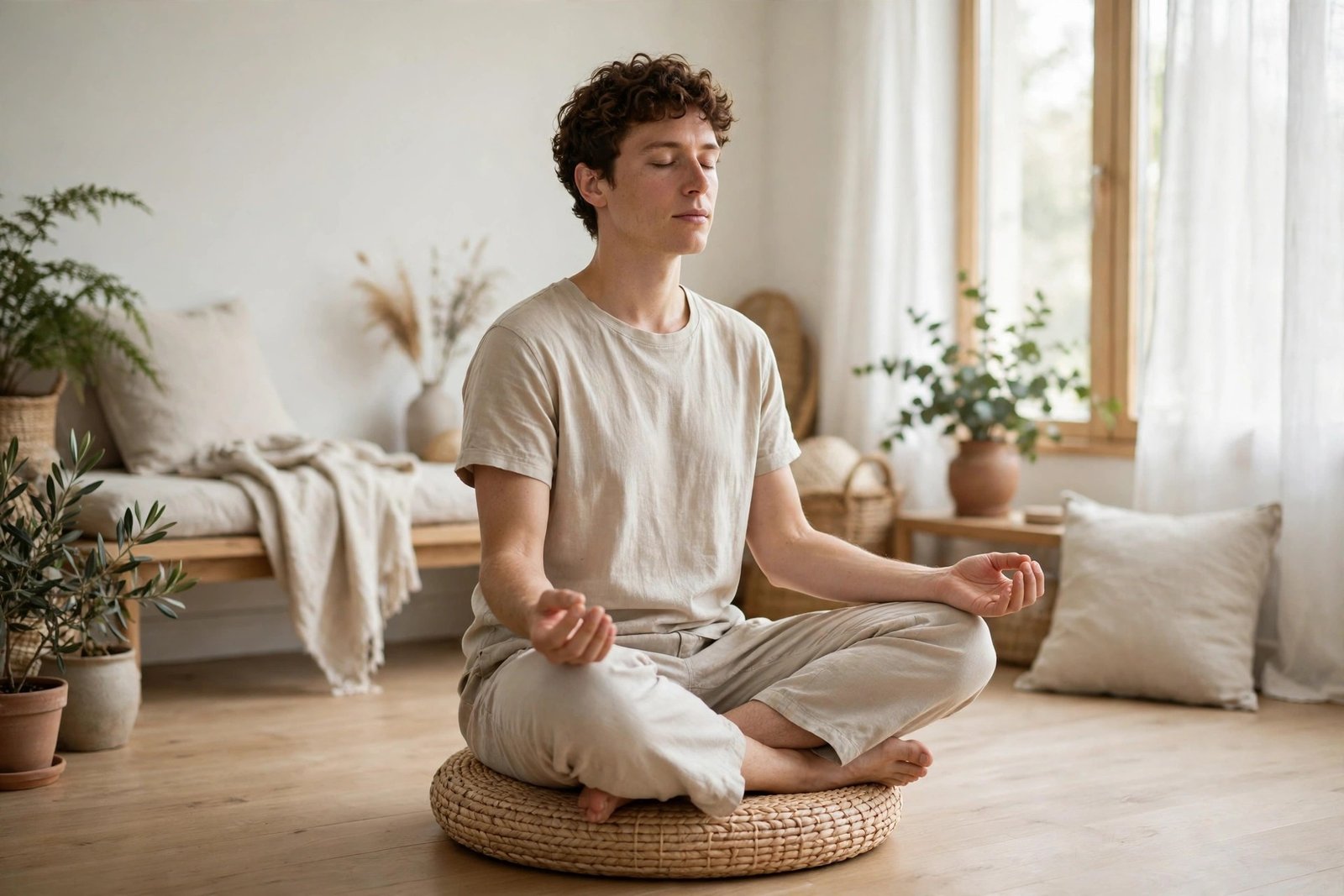
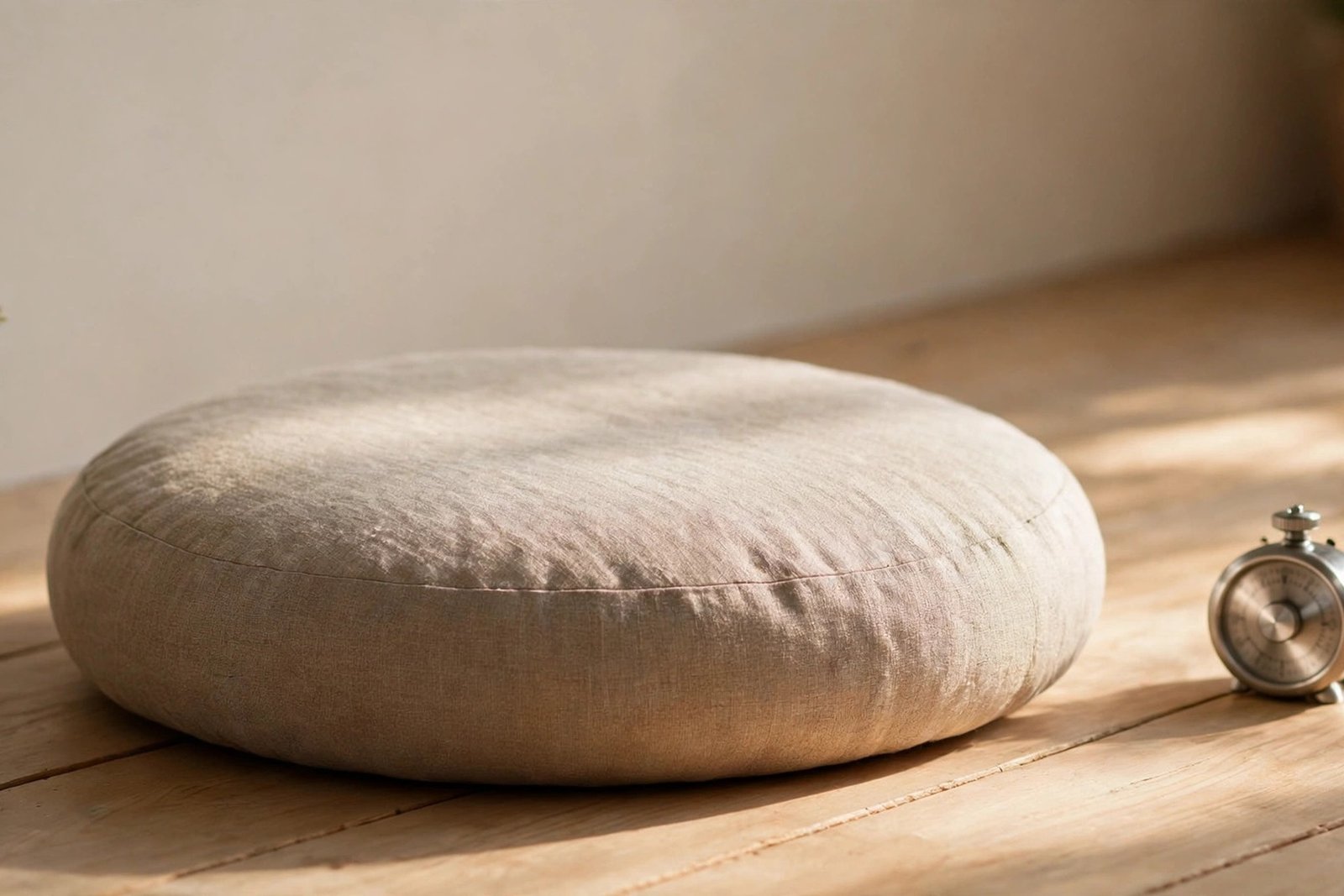
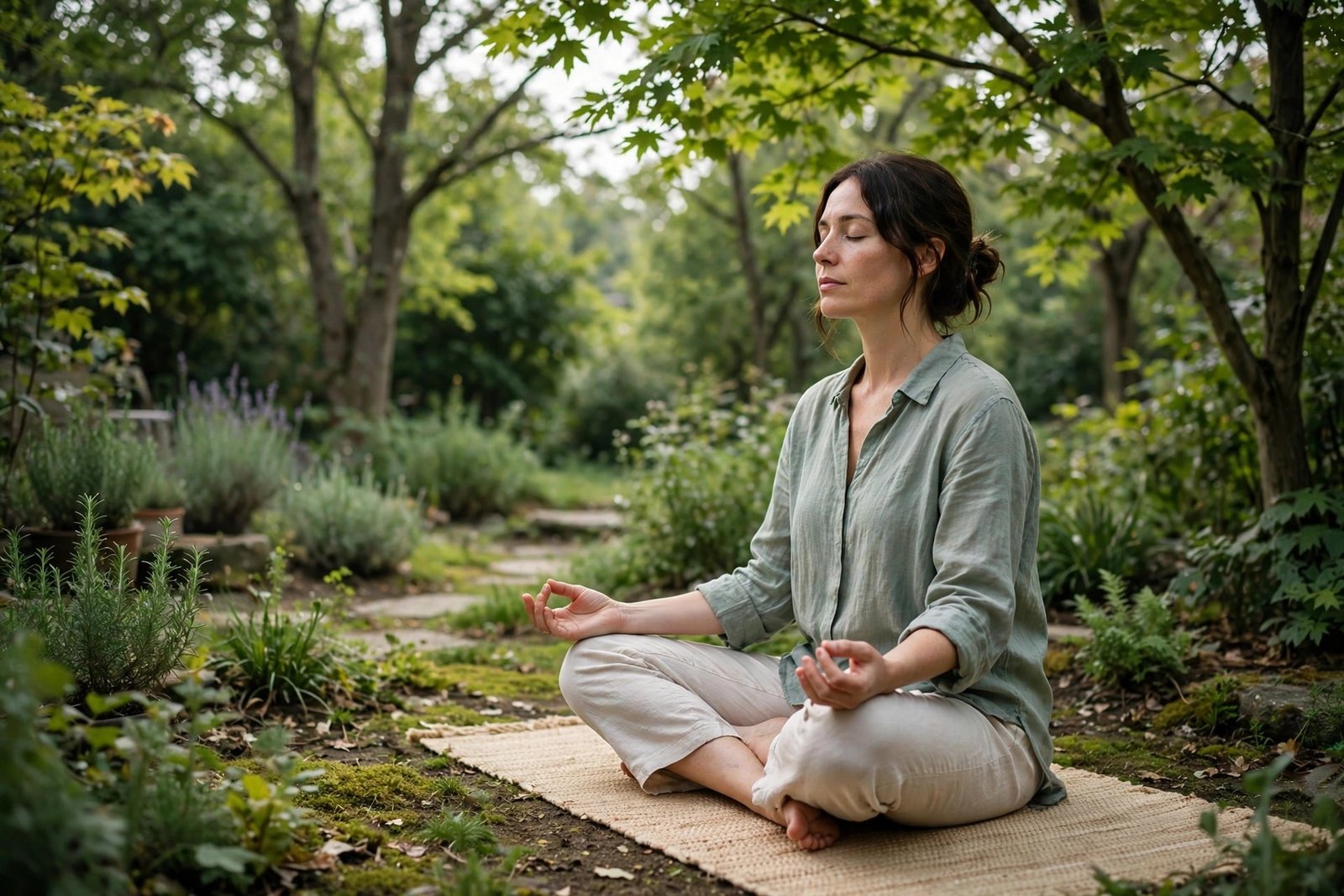
Good posture for meditation is comfortable and alert, not rigid or strained. Sit on a chair with feet flat on the floor, or on a cushion on the floor with hips slightly higher than knees. Keep the back straight but relaxed, shoulders down, and hands resting comfortably. If sitting is painful, lying down or sitting against a wall is fine. Comfort matters more than appearance, because discomfort will dominate attention and cut the session short.
Morning suits many people, before the day’s demands arrive, while others prefer a quiet evening session. A simple meditation at home needs only a corner that is reasonably quiet, with the phone silenced and interruptions unlikely for a few minutes. Start with five minutes daily for two weeks. A short, regular session builds the habit, and the length can grow slowly, by a minute or two at a time, only when five minutes feels easy and steady.
Breath Awareness: The Simplest Technique
Breath awareness is the most widely taught meditation technique, and a good place for every beginner to start. Sit comfortably, close your eyes or soften your gaze, and simply notice the breath as it moves in and out. Notice the cool air entering, the rise and fall of the chest or belly, and the pause between breaths. When attention wanders, as it will, notice where it went, and return gently to the breath. That return is the whole exercise.
Breathing meditation techniques often add a gentle anchor, such as silently counting breaths from one to ten, then beginning again. Counting gives the wandering mind something simple to hold, and losing count is a useful signal that attention has drifted. Keep the session to five minutes at first. The breath is always available, needs no equipment, and can be used anywhere, which is why breath awareness remains the foundation of most meditation practice.
Body Scan Meditation
Body scan meditation moves attention slowly through the body, from head to toe, noticing sensations without trying to change them. Begin by sitting or lying comfortably, closing your eyes, and taking a few natural breaths. Then bring attention to the top of the head, noticing warmth, tingling, pressure, or nothing at all. Move slowly down through the face, neck, shoulders, arms, hands, chest, belly, back, legs, and feet, spending about thirty seconds on each area. Noticing, whatever is there, is the practice.
The body scan is especially useful for relaxation and for reconnecting with a body that has been ignored during a busy day. Tension often hides in the jaw, shoulders, and belly, and simply noticing it can allow it to soften a little. If an area feels sore or uncomfortable, notice the sensation kindly, breathe into that area if it helps, and move on when ready. A body scan of ten to fifteen minutes suits an evening session well, and many people find it helps them unwind before sleep.
Mindfulness: Noticing Thoughts Without Judgement
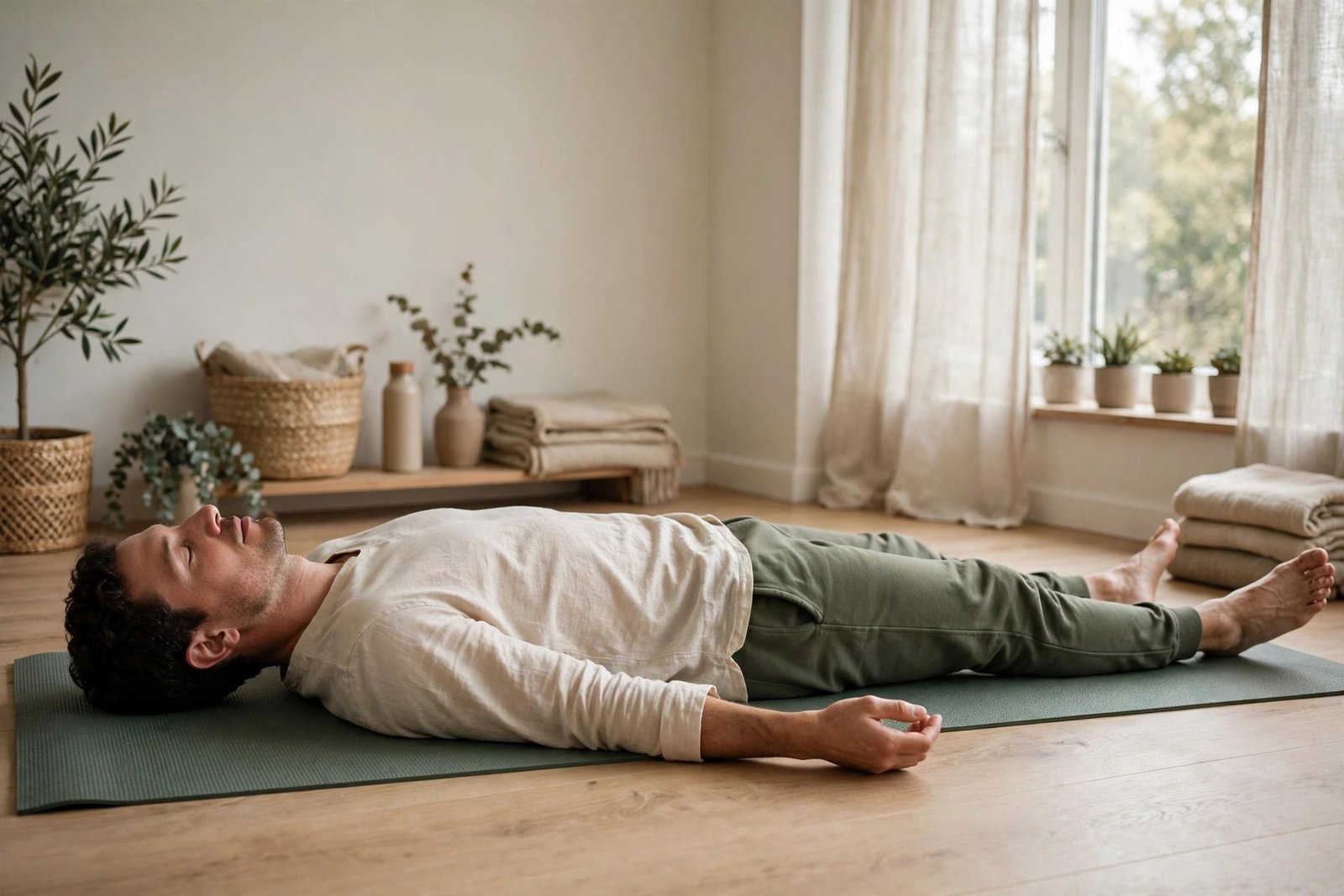
Mindfulness meditation techniques train the skill of noticing thoughts, feelings, and sounds without immediately reacting to them. Sit comfortably, and let attention rest on whatever is most noticeable: the breath, sounds in the room, or sensations in the body. When a thought appears, notice it silently, perhaps naming it thinking or planning, and let it pass like a cloud, returning attention to the present. It is to see them clearly, as passing events, rather than as facts that must be obeyed.
This technique is useful in daily life as well as in formal sessions. A mindful pause before replying to a difficult message, or while waiting in a queue, can change the whole response. Meditation for focus and calm grows from this same skill: attention returns, again and again, to what is actually happening, rather than to worries about the past or future. Each kind return is a repetition of the skill, and repetitions, not perfection, are what build a steadier mind over time.
Loving-Kindness Meditation
Loving-kindness meditation, sometimes called metta, directs kind wishes towards yourself and others. Sit comfortably, and begin by repeating a few simple phrases silently, such as may I be safe, may I be healthy, may I be at ease. Use words that feel natural to you, and repeat them slowly, allowing a sense of warmth to build if it comes. The repetition itself is the practice, and warmth often follows gently, in its own time.
After a few minutes, extend the same wishes to someone you care about, then to a neutral person, such as a neighbour or colleague, and finally to all beings, if that feels comfortable. If directing kindness to yourself feels difficult, begin with the person you care about, and return to yourself later. This technique can soften harsh self-talk and reduce the sense of separation from others. Five minutes is enough to begin, and the phrases can be carried into daily life as silent wishes during ordinary moments.
Guided Meditation and Focused Attention
Guided meditation practice uses a recorded voice or a teacher to lead the session, telling you when to breathe, where to place attention, and when to rest. Guidance is especially helpful for beginners, because it removes the need to remember instructions or watch the time. A guided session can introduce breath awareness, body scan, mindfulness, or loving-kindness in a structured way, and many people find it easier to stay with a voice than with silence.
Focused attention meditation is the wider family to which breath awareness belongs. The focus can be the breath, a sound, a candle flame, or a single word repeated silently. The method is the same: rest attention on the focus, notice wandering, and return kindly. A single word, such as calm or ease, can serve as a gentle anchor for people who find the breath hard to follow. The best technique is the one you will actually practise, not the one that sounds most impressive.
Meditation for Stress Relief and Better Sleep
Meditation for stress relief is most useful when it is practised regularly, not only in a crisis. A short daily session trains the pause that helps in stressful moments, so the skill is ready when it is needed. In a stressful moment, a simple practice helps: pause, take three slow breaths, notice the feet on the floor, and name one thing that is actually happening right now.
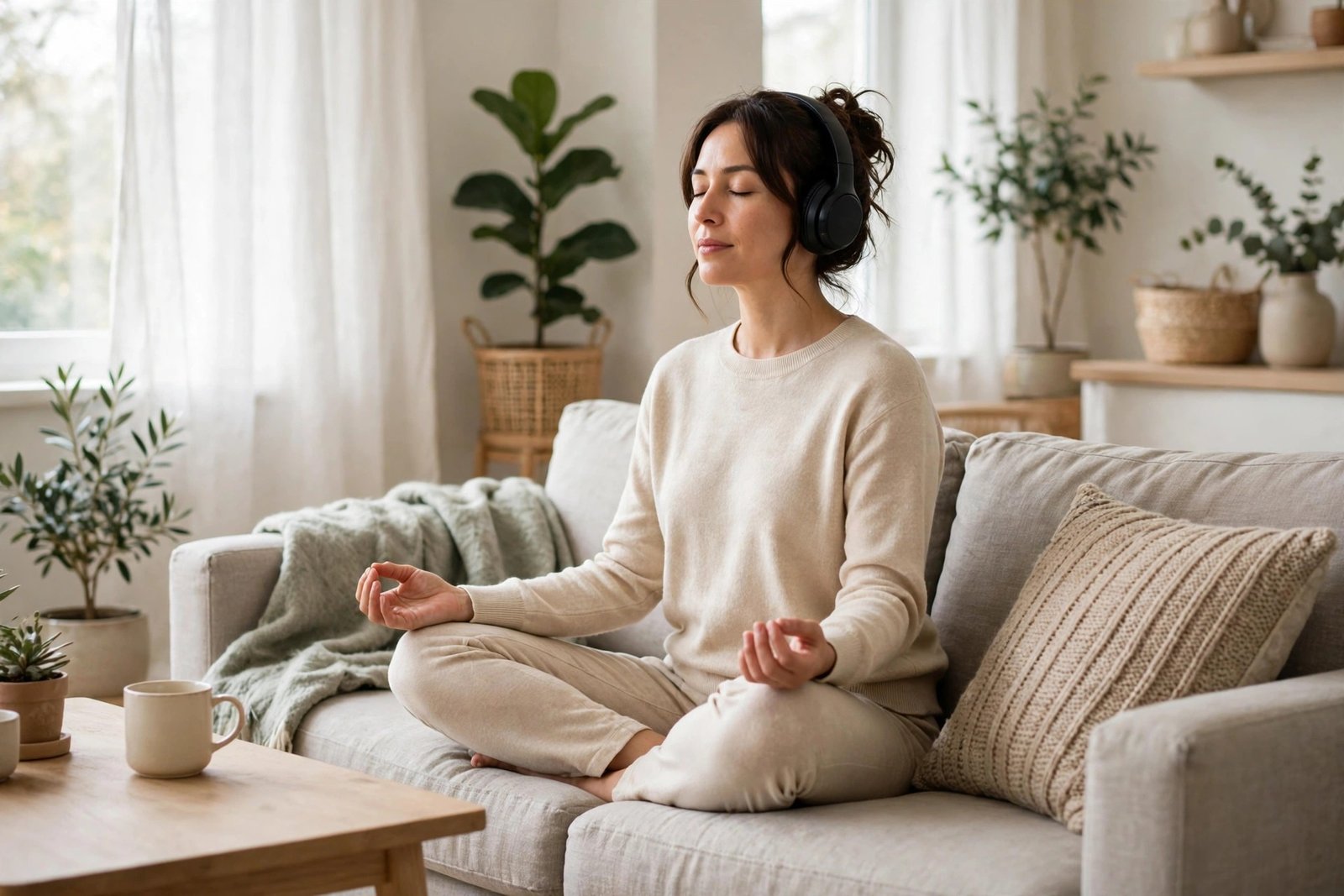
For sleep, a gentle evening session can help the mind settle. A body scan, slow breathing, or a guided sleep meditation suits the last half hour before bed, in low light and without bright screens. Research on how sleep deprivation affects the human body shows why rest matters so much, and why a calm wind-down is worth protecting. If sleep problems persist for weeks, or involve severe daytime sleepiness, speak with a qualified professional. Meditation supports rest, but it is not a substitute for medical care.
Building a Daily Practice That Lasts
A daily practice lasts when it is short, regular, and tied to a moment that already exists. Link meditation to waking, to a morning drink, or to a quiet moment after work, so no extra decision is needed. Sit in the same place, at the same time, for the same few minutes, and let the routine carry you on days when motivation is low. Five minutes daily for a month teaches the habit far better than thirty minutes twice a week.
Gentle movement before sitting can help, especially for restless bodies. A few minutes of slow stretching, or learning about Pilates for stress relief, can ease stiffness and make stillness more comfortable. If you miss a day, return the next day without guilt or doubling up. The habit is not broken by one gap. It is weakened only by a long gap with no return, and a kind, prompt return is the skill that keeps a practice alive for years.
Common Difficulties and Simple Fixes
The most common difficulty is a wandering mind, and the fix is the practice itself: notice, return kindly, repeat. Every meditator’s mind wanders, and judging yourself for it only adds tension. If wandering feels constant, shorten the session to three minutes, use a guided recording, or choose a stronger anchor, such as counting breaths. Shorter sessions with kind returns teach attention better than long sessions spent fighting the mind.
Sleepiness is another common problem, especially in evening sessions. Sit more upright, open your eyes slightly, or meditate earlier in the day. Restlessness, boredom, and physical discomfort are also normal, and they usually fade as the body learns stillness. If a session feels unbearable, end it early and try again tomorrow. Meditation should feel like a gentle discipline, not a punishment, and adjusting the technique, time, or length is a sensible response, not a defeat.
Choosing Your Technique and Keeping Going
Choosing a technique is best done by trying, not by reading alone. Spend a week with breath awareness, a week with body scan, and a week with mindfulness or loving-kindness, and notice which one you return to most willingly. Patterns will appear quickly, and the technique that suits you may change with the seasons of your life. A busy, anxious period may suit guided practice, while a calmer period may suit silent sitting.
Keeping going is mostly about low expectations and kind returns. Review the practice once a month, and adjust one thing at a time: the time, the length, or the technique. These quiet changes are the real fruits of meditation, and they arrive slowly, without ceremony. A practice kept gently for a year, five minutes at a time, will teach you more about your own mind than any single long session. Begin tomorrow, with five minutes, and let the practice grow at its own pace.
FAQs
How long should I meditate as a beginner?
Five minutes a day is an excellent start, and you can add a minute or two when it feels easy. Short, regular sessions build the habit far better than long sessions done only occasionally.
What if my mind keeps wandering during meditation?
Wandering is normal, and noticing it is the practice itself. Gently return attention to your focus each time, without judgement, and repeat the return kindly as often as needed.
Is meditation better in the morning or evening?
Both work, so choose the time you can keep most days. Mornings suit focus and calm starts, while evenings suit unwinding, and a body scan before bed can help sleep.
Do I need special equipment to meditate?
No, a chair or cushion in a quiet corner is enough. Comfort matters more than equipment, so sit in a way that lets you stay still and alert for a few minutes.
Can meditation help with stress?
It can support calmer responses when practised regularly, by training a pause between events and reactions. It is not a treatment for serious difficulties, so seek professional help when needed.
Conclusion
Meditation techniques are simpler than they first appear: choose one focus, sit comfortably, and return attention to it kindly whenever the mind wanders. Breath awareness, body scan, mindfulness, loving-kindness, and guided practice each offer a different doorway into the same skill, and trying each for a week will show you which suits you best. Start with five minutes a day, in the same place, at the same time, and let the practice grow slowly. Sit down tomorrow, set a timer for five minutes, and begin with three slow breaths. The rest of the practice is simply returning, again and again, with patience.
Disclaimer: This article is provided for general information only and is not professional advice. It does not involve guest posting, paid promotion, or advertising, and thestylesmagazine.com does not sell or endorse any product mentioned. Results vary from person to person, so consider speaking with a qualified professional about mental health, stress, sleep, or other personal concerns before making major changes.
Does this article help you? Explore our website The Styles Magazine to find more helpful and fun stories that could help you.
The Role Of Childhood Trauma In Adult Mental Health And Addiction Problems
