
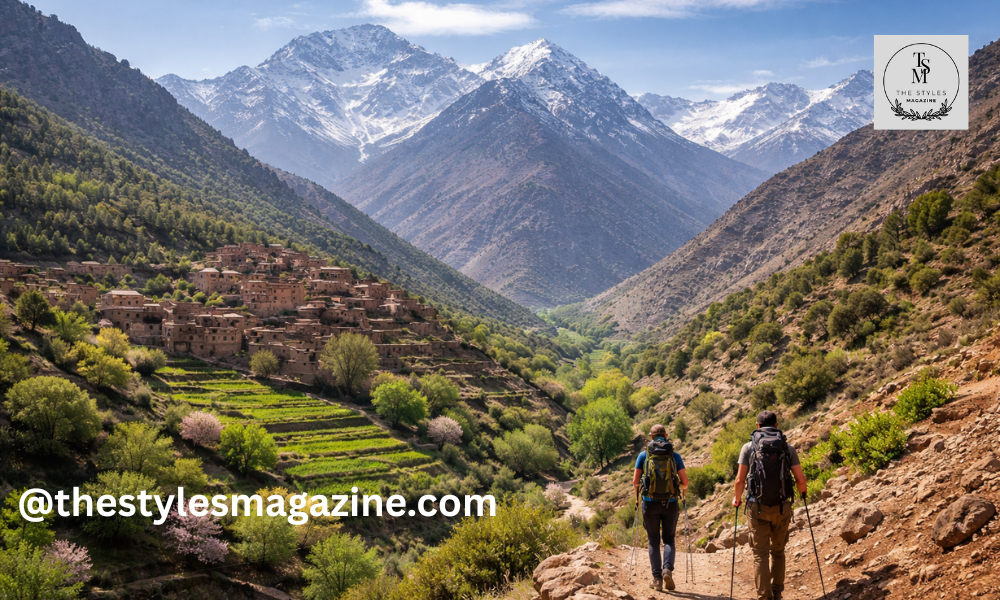
If you searched “atlas bergen”, you might be looking for mountains connected to the word “bergen” (which people often use to mean “mountains”), or you may have seen mixed results online that mention different places. In most cases, though, searchers are trying to learn about the Atlas Mountains, especially the parts that travelers visit for scenic hikes, village stays, and big mountain views.
This guide explains the Atlas Mountains in a clear, real-world way. You’ll learn where they are, what to do, the best time to go, how to choose a route, what it costs, what to pack, and how to stay safe and respectful while you explore.
Atlas Mountains Basics: Where They Are and Why People Go
The Atlas Mountains are a large mountain system in North Africa, stretching across multiple countries. For most travelers, the most popular and accessible area is the Morocco side, because it has well-known trail regions, mountain villages, and routes that work for both beginners and serious hikers.
People visit the Atlas Mountains for a few simple reasons:
- They want fresh air, open landscapes, and dramatic views.
- They like hikes that feel adventurous but still achievable.
- They want a cultural experience with village life, local food, and calm nature.
- They want something different from big cities and busy tourist zones.
If you enjoy travel that feels “real” and not overly staged, the Atlas Mountains can be a great fit.
How to Choose the Right Atlas Bergen Experience
One big mistake people make is trying to plan “the perfect route” before they know what kind of trip they want. A better approach is to pick your experience first.
Here are the common styles:
Day-Trip Style (Easy, Low-stress)
This is best if you’re short on time or don’t want a tough hike. You still get mountain scenery, village walks, and beautiful viewpoints, but you sleep back in town.
2–3 Day Trek (Balanced, Popular)
This is the sweet spot for many visitors. It gives you enough time to feel like you’ve really “been in the mountains,” without needing elite fitness or complicated planning.
4–7 Day Trek (Deep Experience)
This is for people who want quiet trails, more villages, and a stronger sense of journey. If you enjoy long walks and slow travel, this is where the Atlas Mountains shine.
Summit-Focused Hikes (Advanced)
Some travelers aim for higher peaks. These trips can be incredible, but they demand more fitness, better gear, and smart weather decisions.
Best Time to Visit Atlas Bergen: Seasons That Matter
The best time depends on what you want to feel on the trail.
Spring (often comfortable and scenic)
Spring can bring mild temperatures and lively landscapes. It’s a good choice if you want pleasant hiking conditions and you don’t like extreme heat.
Summer (hot in many areas)
Summer can be tough, especially in exposed areas with strong sun. If you travel in summer, plan early-morning starts, carry extra water, and choose routes that match your heat tolerance.
Fall (another strong choice)
Fall often brings comfortable hiking weather again. The air can feel crisp, and the trails can be more enjoyable for longer days outside.
Winter (beautiful but more demanding)
Winter can be stunning, but colder temperatures and possible snow at higher elevations can change your plans quickly. If you’re not used to winter hiking, stick to easier routes or go with experienced local support.
A simple rule: if you’re flexible, aim for a season that gives you cool days and clear skies, because it makes everything easier, from packing to trail comfort.
Top Things To Do in the Atlas Mountains
Even if you don’t want a hardcore trek, the Atlas Mountains offer plenty of options.
Scenic hikes with viewpoints
You can choose short hikes that still deliver big views. These are great for families, casual travelers, and anyone who wants mountains without feeling exhausted.
Village walks and local culture
Many mountain routes pass through villages where life moves slower. If you enjoy meeting people, trying local food, and seeing how communities live in mountain regions, this part can become your favorite memory.
Multi-day trekking
Trekking is what many people imagine when they search for atlas bergen. A multi-day trek gives you time to settle into the rhythm of walking, resting, eating well, and waking up to mountain air.
Photography and nature time
The Atlas Mountains are full of natural textures, light changes, and landscapes that look different every hour. Even a simple walk can be rewarding if you like taking photos or just being away from noise.
Trekking Routes: Beginner, Moderate, and Advanced Options
Instead of listing “the one best route,” it’s smarter to match routes to ability. That’s how you avoid a trip that feels too hard or too boring.
Beginner-friendly routes
These usually include gentle climbs, shorter distances, and more breaks. They’re ideal if:
- you’re new to hiking,
- you’re traveling with kids or mixed fitness levels,
- you want the experience without pushing your limits.
Beginner routes can still be beautiful. The goal here is comfort and enjoyment, not speed.
Moderate routes (the best fit for many travelers)
These are the routes where you might hike for several hours per day and gain more elevation, but you still have time to stop and enjoy the scenery. Moderate treks work well if you:
- walk regularly in daily life,
- feel okay with hills,
- want a sense of accomplishment without feeling destroyed.
Advanced routes and peak goals
Advanced trips are for strong hikers who can handle:
- longer days on foot,
- steeper climbs,
- colder conditions at higher elevations,
- and the mental focus that comes with changing weather.
If you’re not sure where you fit, choose one level easier than your pride suggests. A trip that feels manageable is usually more enjoyable than one that feels like a constant struggle.
What It Costs: A Realistic Budget Breakdown
Costs vary depending on your travel style, comfort level, and how independent you want to be. Instead of guessing one number, think in categories.
Transportation
You may need transport to reach trail areas and return after your hike. Some travelers use local transport options, while others pay for private transfers to save time.
Lodging
Lodging can range from very simple stays to more comfortable options depending on where you go. In mountain regions, basic accommodations are common, especially on trekking routes.
Food and water
Food costs are usually reasonable, but you’ll spend more if you prefer packaged snacks, specialty items, or extra bottled water.
Guide and support (optional but common)
Many travelers hire a local guide for navigation and smoother logistics. Some also use porter support for carrying heavier bags, which can make the trek far more comfortable.
Gear and rentals
If you don’t have hiking gear, you may spend on a few key items. The good news is that you don’t need fancy equipment for many routes, but you do need the basics.
A helpful mindset: Spend money on what protects your comfort and safety (good footwear, warm layers, hydration, and clear planning). Save money on things that don’t affect your trail experience as much.
What to Pack for Atlas Bergen (Without Overpacking)
Packing well is one of the biggest reasons people enjoy their trek. Overpacking makes hiking miserable. Underpacking makes you cold, thirsty, or uncomfortable.
Clothing: simple layers win
Bring layers you can add or remove easily. Even on sunny days, temperatures can shift fast in mountain regions.
A good simple set:
- breathable base layer
- warm layer (like fleece)
- wind/rain layer (light shell)
- comfortable hiking pants
- warm socks
Footwear: your trip depends on it
If your shoes cause blisters, everything becomes harder. Wear broken-in hiking shoes or trail shoes that support your feet. Pack blister care because even “good shoes” can rub during long days.
Water and sun protection
Bring a refill plan and sun protection. Sun can feel stronger than expected, especially when you’re walking for hours.
Essentials that help:
- water bottle or hydration system
- sunscreen
- hat
- sunglasses
Small items that feel “minor” but matter
These are the items many people forget, then regret:
- headlamp (even if you don’t plan night hikes)
- power bank
- basic first aid
- lip balm
- wet wipes or tissues
- a light snack stash
Personal experience-style tip: Pack one extra warm layer. Many people pack for midday warmth and forget early mornings and evenings. That’s when you want comfort most.
Safety, Comfort, and Etiquette in Mountain Villages
A good Atlas Mountains trip is about more than just scenery. How you travel matters.
Stay safe without turning the trip into a worry fest
You don’t need to be paranoid, but you do need to be aware.
- Start hikes earlier to avoid peak heat.
- Drink water steadily, not only when you feel thirsty.
- Keep your pace steady. Fast starts often lead to burnout.
- Don’t gamble with weather. If the sky changes fast, adjust your plan.
If you go into remote areas, a local guide can reduce wrong turns and wasted time, and can help you make better day-to-day decisions.
Respect local life
Mountain villages are not tourist theme parks. People live there, work there, raise families there.
Simple etiquette goes a long way:
- Ask before taking close photos of people.
- Dress modestly in villages (especially away from major tourist areas).
- Be polite, patient, and calm when you’re buying things or asking for help.
Travel feels better when you leave good energy behind you.
A Sample 3-Day Atlas Bergen Itinerary (Simple and Effective)
This itinerary is designed for a balanced trek with solid views and enough rest to enjoy it.
Day 1: Arrival + warm-up walk
- Arrive and settle in.
- Do a short hike or village walk to get used to the terrain.
- Eat a real meal and hydrate well.
- Sleep early if you plan to hike the next morning.
The goal of Day 1 is to arrive gently, not rush and exhaust yourself.
Day 2: Main hiking day
- Start early.
- Keep a steady pace, with short breaks.
- Focus on one clear “highlight goal” like a viewpoint, ridge walk, or scenic valley.
After your hike:
- Stretch lightly.
- Treat your feet early if there’s any rubbing.
- Eat enough, even if you’re tired.
Day 3: Short exit hike + return
- Keep the morning simple.
- Do a shorter walk out.
- Return calmly, with time for food and rest.
If you only have one day: Do a scenic day hike and spend the evening relaxing. You’ll still get a strong experience without needing a full trek.
If you have 5–7 days: Add extra village-to-village days and slower mornings. Longer trips are often more memorable because you stop rushing.
Why Search Results Can Look Confusing (Bergen, maps, and other meanings)
One reason “atlas bergen” can feel confusing is that online results may include different meanings of “Atlas” and “Bergen.”
- Some pages connect “Atlas” to places or directories that mention Bergen (Norway).
- Some results may point to “atlas” as a map or historical atlas, including Bergen County references.
- Some science-related pages mention ATLAS (as a project name) alongside Bergen.
If your goal is mountains and trekking, the safest approach is to make your intent clear in the search and planning stage by focusing on Atlas Mountains travel/trekking.
Conclusion
At its heart, atlas bergen is a search for mountains, adventure, and a clear plan. The Atlas Mountains can be an amazing experience if you choose the right season, pick a route that matches your ability, pack smart, and travel with respect for local life.
If you want the easiest path to a great trip, keep it simple: go in a comfortable season, choose a moderate route (or easier), wear reliable footwear, and prioritize hydration and pacing. Do that, and you’ll come home with the kind of memories that feel earned, not rushed.
FAQs
What Does “Atlas Bergen” Mean?
It usually refers to the Atlas Mountains and mountain-related travel or hiking information.
Where Are The Atlas Mountains Located?
They are in North Africa, and many popular trekking areas are in Morocco.
Is Atlas Bergen Related To Bergen (Norway)?
Sometimes Google shows results for Bergen, Norway, but most people searching this want Atlas Mountains info.
What’s The Best Time To Visit The Atlas Mountains?
Most travelers prefer spring and fall because the weather is more comfortable for hiking.
Do I Need A Guide For Atlas Mountain Trekking?
Not always, but a guide can help with navigation, safety, and local route knowledge, especially on longer treks.
What Should I Pack For Atlas Mountains Hiking?
Bring layers, good walking shoes, water, sun protection, and a basic first-aid/blister kit.
Does this article help you? Explore our website The Styles Magazine to find more helpful and fun stories that could help you.
Disclaimer: This article is for general informational purposes only. Travel conditions, weather, trail difficulty, and local rules can change, so always confirm details before your trip. Hiking involves risk, so plan carefully, use proper gear, and consider local guidance if you’re unsure. The author is not responsible for any loss, injury, or damage resulting from using this information.
Discover Kotora Melnkalne — History, Beauty, And Coastal Charm
