
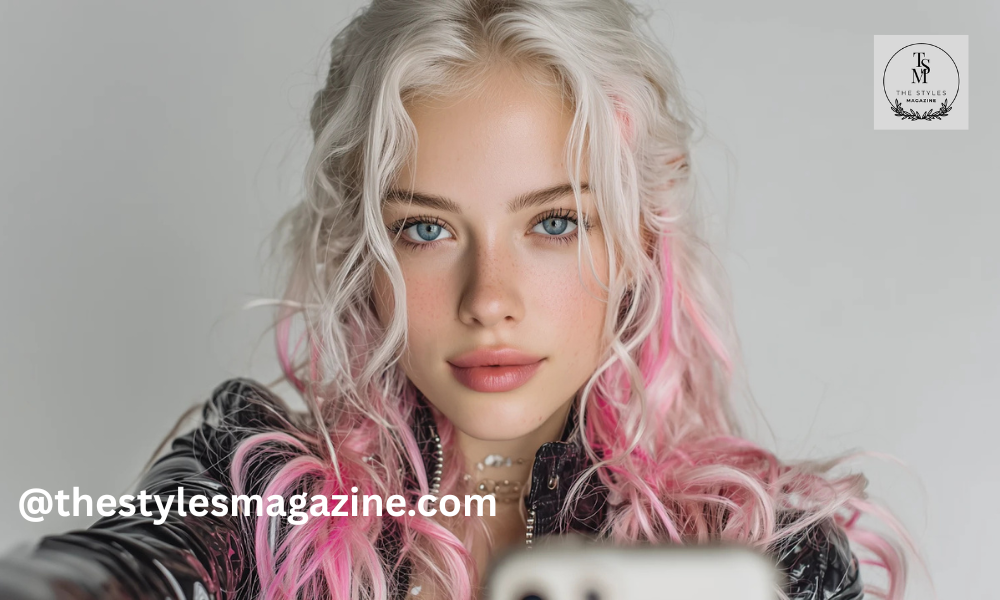
They were born with smartphones in their hands and grew up in a world of Instagram filters and TikTok algorithms. For Generation Z, there is no difference between online and offline — it’s all one reality. They are called the most connected generation in human history: thousands of friends on social media, instant access to anyone on the planet, technology capable of finding the perfect partner.
And yet, zoomers feel incredibly lonely. A paradox? More like a new reality. Generation Z doesn’t just use technology for dating — they are rethinking the very nature of intimacy, friendship, and love. Artificial intelligence is becoming their matchmaker, videochats are the space for first meetings, and borders between countries are disappearing in the search for a soul mate. Let’s figure out what’s happening to romance in an era when humanity is measured by likes.
The Loneliest Generation In History
Sociologists are sounding the alarm: zoomers are experiencing an unprecedented crisis of loneliness. Research shows that young people born after 1995 feel social isolation more acutely than any previous generation. It seems absurd — how can you be lonely when you have constant access to the whole world through a screen?
But that is precisely where the problem lies. Zoomers grew up in the age of digital communication, where the number of contacts has grown exponentially, while their quality has fallen dramatically. Hundreds of friends on social media cannot compensate for the lack of real intimacy. Likes create the illusion of connection, but they do not provide the warmth of live communication. Comments replace conversations, but they do not quench the thirst to be heard.
This is a special type of loneliness — an existential void amid digital noise. A zoomer can actively chat all day long, post on Stories, participate in online discussions — and still feel acutely isolated. Deep conversations have given way to the exchange of memes, sincerity to performance for subscribers, spontaneity to carefully planned content.
Live communication skills atrophy when most interaction takes place through a screen. Zoomers may be virtuosos at online correspondence but feel lost in face-to-face encounters. It is easy to read moods from emojis, but more difficult to understand live facial expressions and subtle intonations. This gives rise to social anxiety, which becomes yet another barrier to intimacy.
The culture of cancellation and perfectionism on social media exacerbates the problem. Zoomers are afraid of making mistakes, saying the wrong thing, or appearing imperfect. In a world where every word can be screenshotted and used against you, it’s safer not to say anything at all. Thus, loneliness becomes a defense mechanism.
At the same time, zoomers are in dire need of real connection. They are tired of superficiality, crave authenticity, and seek people who will accept them without filters or retouching. But the paradox is that they don’t always know how to build such intimacy. Romantic comedies no longer teach us how to meet people — new skills are needed for a new world.
Global thinking is one of the strengths of Generation Z. For them, the world is not divided into “us” and “them” based on geography. Talking to someone from South Korea via videochat feels as natural as meeting a classmate. This opens up incredible opportunities for intercultural exchange, language learning, and broadening horizons — if you can overcome the barrier of loneliness.
Love Algorithms And Machine Matchmakers
Artificial intelligence has become an integral part of the romantic landscape of zoomers. Modern dating algorithms are not just primitive filters based on age and location. They analyze thousands of parameters: communication style, activity time, content preferences, behavior patterns, even the emotional tone of texts. AI learns from millions of successful and failed couples, constantly improving the art of matching.
Zoomers see nothing strange or anti-romantic about this. For them, using technology to find a partner is smart, effective, and modern. Why rely solely on chance when you can harness the power of data analytics? The algorithm does not replace human choice, but it makes it more informed by weeding out obviously incompatible people.
New-generation cam chats, such as Bazoocams or CooMeet.chat, actively integrate artificial intelligence to create a better user experience. Algorithms match people with overlapping interests, help overcome language barriers through simultaneous translation, and even analyze micro-expressions to assess emotional compatibility. Technology is becoming an invisible assistant in building connections.
AI helps modern dating in several important ways:
- It suggests relevant topics for conversation based on shared interests.
- It provides real-time speech translation for cross-cultural communication.
- It assesses psychological compatibility by analyzing behavioral patterns.
- It helps avoid awkward pauses with smart prompts.
- It protects against fraud and toxic behavior.
However, technological assistance also carries risks. Overreliance on algorithms can kill spontaneity and the romantic magic of chance. What if your soulmate doesn’t fit the parameters set by the machine? What if AI weeds out the perfect person simply because the data showed an incomplete match? Life is more complicated than any algorithm.
Zoomers face an intensified choice paradox. When an app offers dozens of “perfect matches” every day, it creates the illusion of unlimited possibilities. Why work on a relationship with this person when the next one could be even better? This logic leads to chronic swiping and an inability to settle on one person.
Atrophy of intuition is another danger. When AI takes over all the analysis, people lose the ability to trust their inner voice. Zoomers may be brilliant at reading data, but they lose the ability to “feel” a person on an emotional level. But often it is precisely the irrational attraction that cannot be explained by compatibility percentages that leads to the strongest relationships.
Seeing And Being Seen
The biggest challenge for zoomers is finding a balance between the comfort of the digital world and the need for real closeness. They feel confident in the online space, but often experience anxiety during live meetings. The screen has become both a window to the world and a barrier from it.
Roulette chats have become an intermediate link between safe text correspondence and stressful real-life dates. They provide much more information than messages, but retain the security of the home environment. You can see a person, hear their voice, and read non-verbal cues without feeling the pressure of physical presence.
The video format helps to gradually overcome social anxiety. It is a kind of rehearsal before the real meeting. You can practice the skill of maintaining a conversation in real time, get used to spontaneity, and learn to react quickly. At the same time, if the conversation does not work out, you can end it without the awkwardness of physically running away.
Interestingly, zoomers use random chats not only for romantic purposes. For many, it is a way to combat loneliness in general. Talking to a stranger from another country about music, discussing the latest season of a TV series, practicing a foreign language — all this creates a sense of connection with the wider world and breaks down the walls of isolation.
Intercultural communication through video is especially valuable for the global generation. Zoomers have grown up in the multicultural environment of the internet and are genuinely curious about other cultures. A live conversation with a peer from Tokyo, Rio de Janeiro, or Paris provides an understanding of the diversity of the world that cannot be gleaned from textbooks or even travel.
However, there is also a danger. If all meaningful interactions remain in the digital space, zoomers risk losing the skills of real physical intimacy forever. Touch, shared space, shared experiences — none of these things can be digitized, but they are what create the depth of connection that truly cures loneliness.
A New Era Of Intimacy
Zoomers are creating a new culture of relationships, and instead of condemning it, we should try to understand it. Yes, they meet through algorithms. Yes, they trust machines more than chance. Yes, their first dates take place in video chats. But beneath all the technological trappings, the same human needs exist — to be heard, understood, accepted, and loved.
It is important to remember that technology is a tool, not a substitute for real feelings. AI can introduce compatible people to each other, but only they themselves can build intimacy. Videochat can be a start, but true love requires physical presence. Data is useful, but it cannot replace intuition and the courage to open your heart.
Zoomers should seek balance. Using digital opportunities is smart. But don’t forget about the real world, the risk of real rejection, and the warmth of real presence. Let technology be a bridge, not a refuge.
It is important for older generations to be open to new forms of romance. Love found through an app is no less real. The main thing is the depth of feelings, not the way you meet. The future of relationships is hybrid, combining the best of both worlds. And in this future, everyone has a chance to find their connection.
Thank you for exploring our Blog! For additional captivating content, feel free to explore the corresponding category.
Effortlessly Download And Save TikTok Videos: Discover The Power Of Snaptik
