
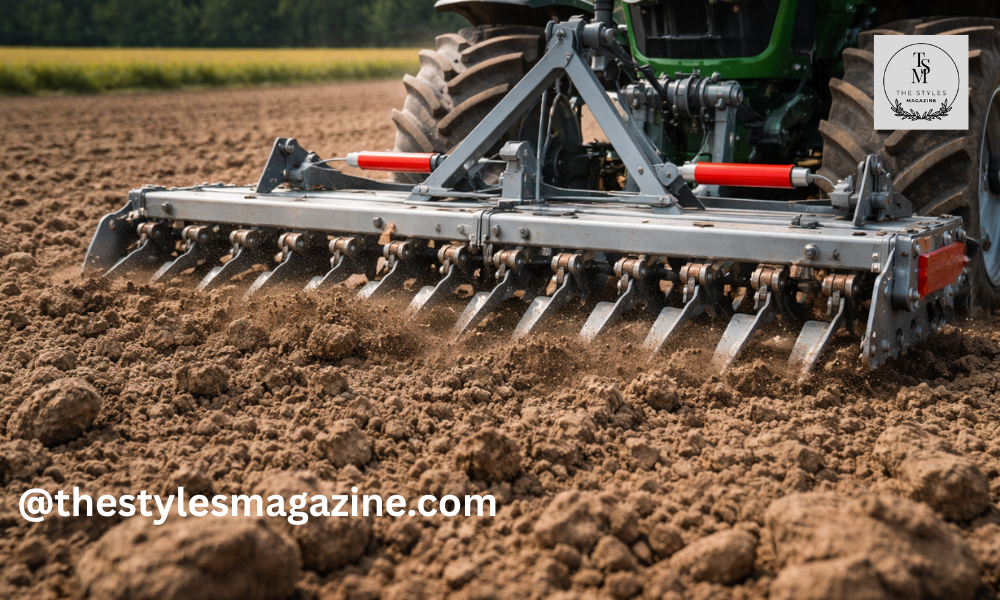
A messeregge is a soil preparation tool used to improve the condition of the field before planting. The word comes from German: Messer means blade, and Egge means harrow. Put simply, a messeregge is a blade-style harrow designed to break soil clods, smooth the surface, and help create a more even seedbed. Manufacturers and agricultural references describe this type of tool as part of secondary tillage, where the goal is to refine the soil after heavier operations such as plowing or deep cultivation.
Farmers use a messeregge because planting works best when the soil surface is level and the upper layer is broken into a finer structure. If the field is rough or full of large clods, seed placement becomes less uniform. That can affect germination, early growth, and the quality of crop establishment. Harrow-based finishing tools are widely used for this reason: they help turn rough ground into a more suitable planting surface.
In modern field preparation, the messeregge still matters because many farmers want a tool that can improve soil finish without replacing the whole tillage system. It fits into a practical workflow: prepare the soil, refine the surface, and create better conditions for seeding. That simple role is why the keyword messeregge is still relevant to machinery buyers, farmers, and readers trying to understand European soil preparation equipment.
What A Messeregge Is
A messeregge can be described as a specialized soil cultivation tool built mainly for seedbed finishing. Its main job is not deep tillage. Instead, it works closer to the surface, where it helps break clods, cut through loose material, and improve the top layer of the field before sowing. Agricultural terminology for similar finishing implements consistently points to the same purpose: crushing clods, smoothing the soil, and preparing the land for planting.
What makes the messeregge different from many traditional harrows is its working style. A standard tine harrow often relies on teeth or flexible tines to scratch, loosen, or comb through the soil. A messeregge, by contrast, is generally associated with blade-like or knife-like working parts that act more directly on clods and surface structure. That gives it a more precise finishing role, especially where a farmer wants a flatter and more consistent seedbed.
Because of that, the messeregge is often seen as a precision soil preparation implement. It is used when the field already has the basic tillage done, but the final soil condition still needs improvement. In that stage, small differences in surface level and soil texture can matter a lot for the next step of planting.
How A Messeregge Works
The basic working idea of a messeregge is simple. As the tractor moves, the blades or cutting edges pass across the upper layer of soil and press into clods and rough areas. This action helps crack larger lumps into smaller pieces and spreads the soil more evenly across the field. It is a finishing pass rather than a deep mixing pass, which is why it is usually used after earlier tillage steps.
The blades may also interact with light crop residue left near the surface. Instead of deeply burying residue, the tool mainly helps tidy and refine the surface layer. This can be useful where the goal is to create a cleaner planting zone without overworking the field. The result is a more level surface and a better base for later seeding equipment.
This leveling effect is important. A rough field can cause uneven seed depth, and uneven seed depth often leads to uneven emergence. By reducing surface irregularities and breaking clods before planting, the messeregge helps make field conditions more predictable. That is one of the main reasons it is valued as a seedbed tool rather than just another general harrow.
How Farmers Use A Messeregge
Step 1 — Primary Tillage
The field is first plowed or cultivated to loosen the soil.
Step 2 — Messeregge Pass
The messeregge moves across the soil surface to break large clods.
Step 3 — Surface Leveling
Blades spread soil evenly and reduce rough spots.
Step 4 — Roller or Packer (Optional)
A roller may follow to settle and stabilize the seedbed.
Step 5 — Ready for Planting
The field now has a smoother, more consistent surface for seeding equipment.
Design And Key Components Of A Messeregge
Most messeregge systems are built around a strong frame that holds the working parts in place. The frame has to stay stable across the full working width so the tool can act evenly on the soil. Product categories from tillage manufacturers show that these implements are offered in different widths and setups depending on farm size, tractor capacity, and field conditions.
The main working parts are the blades or disc-like cutting elements that contact the soil. These are arranged to break clods and refine the surface rather than dig deeply. Many models also allow some level of adjustment so the working intensity can match the soil condition. That matters because a light seedbed finish on mellow soil is very different from breaking dry, firm clods after plowing.
A messeregge also needs a mounting system so it can attach to a tractor. In practice, front-mounted use is common in this tool category, especially where the implement is paired with another finishing or pressing tool at the rear. Some setups also include optional rollers or packers, which help firm and settle the soil after the blades have broken and leveled it.
The Role Of Messeregge In Seedbed Preparation
Seedbed preparation is about more than making the field look neat. The goal is to create the right soil texture and surface condition for planting. A messeregge supports that by leaving the upper soil layer finer and more even than before. Agricultural guidance on seedbed preparation consistently notes that breaking clods and improving surface uniformity helps seeds sit more evenly in the soil.
This matters because seeds need good contact with soil to take in moisture and begin germination. When soil is rough or cloddy, seeds may sit too shallow, too deep, or in small air gaps. A properly finished seedbed reduces those problems. In that sense, the messeregge is not just shaping the field surface; it is helping prepare the conditions that support more even crop emergence.
For farmers, that makes the tool practical rather than decorative. It serves a clear purpose in the final stage before seeding, especially where seed placement and uniform establishment are important.
How Messeregge Breaks Soil Clods And Levels The Field
Large clods often remain after plowing, especially in heavier or drier soils. A messeregge addresses that problem by applying repeated cutting and crushing action across the top layer. Instead of leaving large lumps in place, it helps reduce them into smaller particles that are easier to plant into. References on roller harrows and clod-breaking tools describe this same finishing goal: crush, smooth, and firm the seedbed area.
At the same time, the tool improves the level of the field surface. That smoother finish helps planters and seed drills move more consistently. Even when the change looks small to the eye, it can make field operations easier and more uniform across the full width of the machine.
This is why the messeregge is especially useful after rougher tillage passes. It acts as a refining tool that brings the field closer to planting condition without doing the deeper work that belongs to other implements.
Front-Mounted Messeregge Systems
One of the more practical features of the messeregge is that it is often used as a front-mounted implement. This layout allows the soil to be broken and leveled before the tractor’s wheels pass over the area. That can improve the flow of field preparation and help combine multiple jobs in one pass. Manufacturer references and equipment descriptions commonly associate the messeregge with front-mounted use in combination systems.
There is also an efficiency advantage here. When a front-mounted messeregge works together with a rear roller or another seedbed-finishing tool, the farmer can break clods at the front and then press or finish the soil at the back during the same pass. That saves time, reduces extra trips across the field, and can improve work rates in busy planting periods.
For many farms, that combination is one of the strongest reasons to use this kind of implement. It fits well into a modern tractor setup and supports a more streamlined preparation process.
Using Messeregge With Rollers And Packers
A messeregge is often more effective when paired with rollers or packers. After the blades break clods and level the surface, rollers can help settle the soil and leave a more balanced finish. Agricultural definitions of roller harrows and similar finishing tools describe this combined effect clearly: clod crushing, smoothing, and soil firming all support seedbed preparation.
This combination can be especially useful where the soil breaks apart easily but still needs some settling before seeding. The blades do the breaking work, and the roller or packer helps stabilize the final surface. That makes the seedbed more consistent and better suited for the next machine in the field.
Types Of Messeregge Used In Agriculture
In practice, the term messeregge can cover more than one configuration. Some models are simple blade harrows focused on clod breaking and leveling. Others are heavier versions designed for firmer soils or tougher field conditions. There are also combination models that include rollers or other finishing components so more of the seedbed job can be done in one pass. Equipment suppliers list different tillage and soil preparation categories that reflect these varied working widths and build styles.
Working width matters as well. Smaller farms may use narrower models that suit lighter tractors, while larger operations often prefer wider setups for faster field coverage. The best choice depends on soil type, tractor size, and how the tool fits into the wider tillage system. That is why readers researching messeregge should think of it as a category of practical seedbed tools rather than one single universal machine.
Benefits Of Using A Messeregge In Modern Farming
The biggest benefit of a messeregge is better soil finish before planting. By breaking clods and smoothing the field, it helps create a more suitable seedbed. That supports better seed placement, more even germination conditions, and a cleaner path for planting equipment.
It can also improve field efficiency, especially in combination systems that reduce the number of passes needed. A tool that breaks, levels, and works with a roller in the same setup can save time during a busy season. Just as importantly, it helps reduce the clod problems that make seedbeds inconsistent.
In modern farming, that mix of simplicity and usefulness is valuable. Not every field needs the same tillage strategy, but when the aim is a smoother, more uniform planting surface, the messeregge remains a practical option.
Best Field Conditions For Using A Messeregge
A messeregge works best in fields that have already gone through primary tillage and now need finishing. It is particularly useful after plowing or deep cultivation, when the surface may still contain large clods and uneven areas. Clod-breaking tools are most relevant in exactly these conditions, especially where planting will follow soon.
It is also well suited to pre-seeding operations where the aim is to create a smoother, more planting-ready surface. In contrast, it is not usually the first choice for deep soil loosening or heavy residue incorporation. Its strength is final preparation, not primary ground opening.
Messeregge In Modern Precision Farming
Even with newer tractors and more advanced field systems, the basic need for a good seedbed has not changed. That is why the messeregge still has a place in modern precision farming. It supports the same larger goal that precision systems aim for: consistent field conditions, more predictable seeding, and better crop establishment.
The tool also fits well with combination machinery and efficient pass planning. In that way, the messeregge is both traditional and current. Its design is straightforward, but its function still matches what many modern farms need from a finishing implement.
Conclusion
The messeregge is a useful soil preparation tool built to break clods, smooth the land, and improve seedbed quality before planting. Its blade-based action helps refine the field after heavier tillage, making the surface more even and the top layer more suitable for seed placement.
That is why the messeregge remains important in modern agriculture. It helps create a better-structured seedbed, supports more consistent planting conditions, and fits well into efficient field preparation systems. For anyone researching the keyword messeregge, the main point is simple: it is a practical precision tool for turning rough soil into a more planting-ready surface.
Frequently Asked Questions (FAQs)
What Is A Messeregge Used For?
A messeregge is used to break soil clods, level the field surface, and prepare a smoother seedbed before planting crops.
Is A Messeregge The Same As A Harrow?
A messeregge is a type of harrow, but it uses blade-like elements designed specifically for precise soil finishing and clod breaking.
When Should Farmers Use A Messeregge?
Farmers usually use a messeregge after plowing or cultivation and before planting to refine the soil surface.
Why Is Seedbed Preparation Important?
A well-prepared seedbed helps seeds make better contact with soil, improving germination and creating more uniform crop growth.
Can A Messeregge Be Used With Other Equipment?
Yes. Many farmers combine a messeregge with rollers, packers, or other finishing tools to improve soil leveling and efficiency.
Thank you for exploring our Blog! For additional captivating content, feel free to explore the corresponding category.
Disclaimer: The information in this article is provided for educational and informational purposes only. Farming methods, equipment specifications, and soil preparation practices may vary depending on region, soil type, and farming system. Readers should consult local agricultural experts or equipment manufacturers for specific recommendations related to their farms.
Revolutionizing Tree Care: Best Practices And Modern Techniques For A Healthier Environmen
