
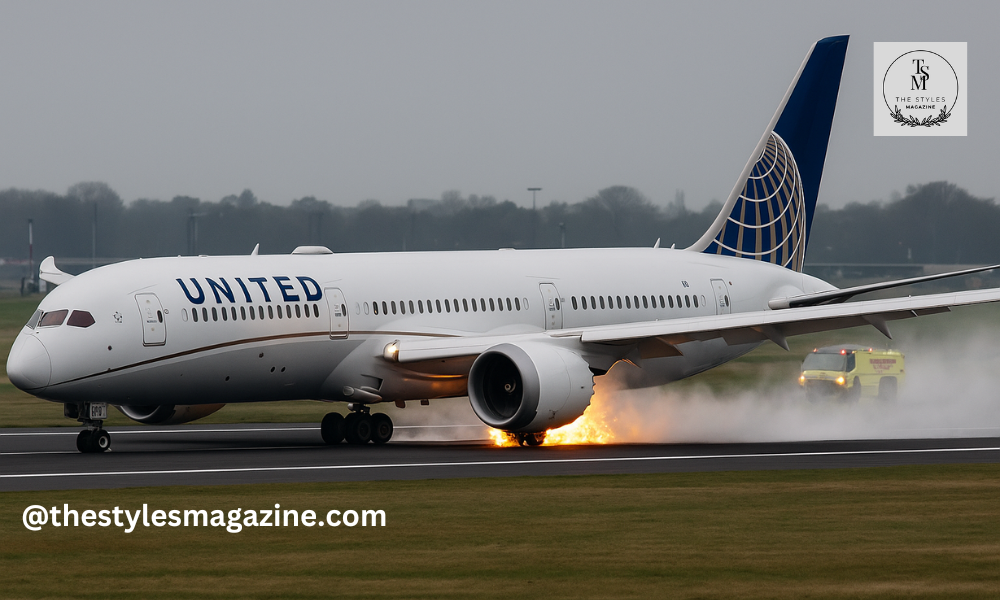
Air travel is something most of us take for granted, but every so often, a headline reminds us just how much work goes into keeping passengers safe. One such event was the United Airlines Flight UA770 emergency diversion, a situation that caught the attention of travelers and industry experts alike.
This article takes a closer look at what happened during that flight, why the diversion was necessary, and what it means for passengers—particularly families and first-time fliers who may find such events unsettling. By walking through the facts and drawing on insights from aviation experts and established safety protocols, the goal is to provide a clear, reassuring, and practical perspective.
Along the way, you’ll also find real-world travel tips and thoughtful guidance designed to help you feel more confident and prepared. Whether you’re a parent planning your next family trip or simply curious about how airlines handle emergencies, this guide aims to make the complex world of aviation safety easy to understand.
What Is The UA770 Emergency Diversion? A Clear Overview
On May 27, 2025, United Airlines Flight UA770 departed from Barcelona, Spain, bound for Chicago, Illinois. Midway through the journey, however, the flight crew detected a situation serious enough to warrant an immediate change of course. Following safety protocols, the pilots diverted the aircraft to London Heathrow Airport, where it landed safely.
The aircraft involved was a Boeing 787-9 Dreamliner, one of the most modern and fuel-efficient planes in United’s fleet. Known for its long-haul capabilities and passenger comfort, the Dreamliner is built with advanced systems that continuously monitor the aircraft’s performance. These systems played a key role in detecting the issue that led to the diversion.
During the incident, the crew transmitted a special emergency signal known in aviation as “squawk 7700.” This is a universal transponder code used by aircraft to alert air traffic control (ATC) to a general emergency. Once squawk 7700 is declared, it instantly notifies controllers and nearby aircraft that the flight is facing a situation requiring priority handling. This ensures that the plane receives immediate clearance for an expedited landing and that emergency services are ready on the ground.
Expert Insight: Why Squawk 7700 Matters
Aviation safety specialists explain that “squawking 7700” is a critical tool for pilots in any emergency. According to industry experts, this code does not necessarily mean a catastrophic failure—it simply signals that the crew needs urgent assistance and priority. Diversions like UA770’s are a reflection of layered safety systems working exactly as intended. By declaring the emergency, the crew ensured a swift, coordinated response between the cockpit, air traffic controllers, and ground personnel at Heathrow.
Timeline Of Events: What Happened, When
While every diversion follows its own unique set of circumstances, the journey of United Airlines Flight UA770 on May 27, 2025, unfolded in a way that shows how modern aviation systems and trained professionals work together under pressure.
Pre-Departure:
The Dreamliner left Barcelona-El Prat Airport on schedule, with passengers settling into what was expected to be a routine transatlantic flight. Weather conditions were favorable, and early reports described a smooth and uneventful climb into cruising altitude.
The Triggering Event:
Some hours into the flight, onboard monitoring systems detected a technical irregularity. Although the airline has not released every detail, aviation experts note that Dreamliners are equipped with highly sensitive sensors capable of flagging even minor abnormalities. The cockpit crew assessed the issue and determined that continuing to Chicago was not advisable.
The Decision-Making Process:
Pilots are trained to follow a strict set of safety protocols when evaluating emergencies. Working alongside air traffic controllers, the crew weighed their options and made the decision to divert to the nearest suitable airport. Transparency and communication with both ATC and cabin crew were crucial at this point to ensure smooth handling of the situation.
The Diversion And Safe Landing:
The crew transmitted a squawk 7700 emergency code, alerting controllers across Europe of the need for immediate assistance. London Heathrow, with its multiple long runways and comprehensive emergency services, was chosen as the diversion point. Passengers reported a calm but noticeable shift in atmosphere as the captain explained the change of plans. Within a short time, UA770 descended and landed safely at Heathrow, where emergency responders were already on standby.
Visual Timeline At A Glance
- Takeoff: Barcelona, May 27, 2025 – Routine departure
- Mid-Flight Warning: Technical issue detected
- Emergency Declaration: Crew squawks 7700, contacts ATC
- Diversion Ordered: Route adjusted toward London Heathrow
- Landing: Safe arrival in London, emergency services on site
Behind The Scenes: Crew & Airline Response
When an emergency diversion occurs, the public often only sees the surface—the plane changing course and landing at a new airport. What’s less visible is the orchestration of responses happening in the cockpit, cabin, and on the ground. The United Airlines Flight UA770 emergency diversion illustrates how these layers of action come together with one priority: passenger safety.
Immediate Response And Passenger Communication
As soon as the irregularity was confirmed, the pilots coordinated with air traffic control and United’s operations center. Communication was then extended to passengers, with the captain calmly explaining the need to divert to London. Passengers noted that while the announcement was serious, the crew’s professional tone helped ease tension. Clear communication in moments like this is critical, especially for families traveling with children who may sense unease.
Executing Emergency Protocols
Both cockpit and cabin crews rely on well-rehearsed checklists for handling in-flight emergencies. The pilots focused on flying the aircraft safely while the cabin crew prepared passengers—securing the cabin, checking on individual needs, and monitoring for signs of distress. At the same time, Heathrow authorities were alerted, activating ground-based emergency response teams who ensured the runway and medical services were ready.
Post-Landing Passenger Care
Once on the ground at Heathrow, the focus shifted from the technical emergency to passenger welfare. United Airlines arranged for meal vouchers, hotel accommodations, and rebooking support. For many families, especially those with small children, these steps were essential to reduce stress and keep routines intact. Airline representatives remained available at the airport to answer questions, assist with new itineraries, and provide reassurance.
Expert Insight: The Role Of Crew Resource Management (CRM)
Aviation safety experts emphasize that the smooth handling of UA770’s diversion reflects the principles of Crew Resource Management (CRM). CRM is the practice of fostering clear communication, teamwork, and decision-making under pressure. Former pilots explain that no one individual is solely responsible—rather, it’s a collaborative effort involving the captain, first officer, flight attendants, and ground staff. By leveraging collective expertise and calm coordination, the team ensures passengers remain safe and informed, even in high-stress situations.
Passenger Experience: Families, Kids & Emotional Well-Being
For many travelers, the phrase “emergency diversion” can sound alarming. For families with young children, it often brings additional concerns—missed connections, long waits, and the challenge of keeping little ones calm in an unfamiliar situation. Passengers on United Airlines Flight UA770 reported feeling initial anxiety, but many also shared gratitude for how the crew’s calm communication and steady presence helped to ease the stress.
Common Concerns For Families
Parents traveling with children faced the usual ripple effects of a diversion: uncertainty about when they would reach their destination, changes to connecting flights, and the difficulty of explaining the situation to kids. Some worried about running out of baby supplies, while others simply struggled with keeping their children entertained and comfortable during unexpected delays.
Practical Comfort Tips For Parents
Incidents like UA770’s diversion highlight why preparation can make a big difference:
- Pack a “go bag” with essentials. A small carry-on with snacks, small toys, a phone charger, and any critical medications helps ease stress when plans change.
- Keep emergency contacts and itineraries handy. Having both digital and printed copies ensures you can access key information even if your phone battery dies or Wi-Fi is unavailable.
- Practice calming techniques. Something as simple as a short breathing exercise or distraction with a familiar story can help reassure a child when they sense tension.
Empathy and Reassurance
Travelers described a mix of worry and relief. “Many parents I spoke with felt anxious at first, then grateful for how calmly the crew handled things,” one passenger noted. The professionalism of the flight attendants—checking in frequently, offering kind words, and showing patience with restless kids—was a reminder that while diversions can be stressful, families are not left to manage on their own.
What Other Passengers & Flights Faced
The diversion of United Airlines Flight UA770 did not just affect those onboard. Aviation is a tightly connected network, and when one plane makes an unscheduled landing, the ripple effects often extend far beyond a single flight.
Ripple Effects Across The Network
UA770’s unscheduled arrival at Heathrow required quick adjustments. Other flights were rerouted to accommodate an emergency landing, causing delays for aircraft already scheduled to use the same runway. Some connecting passengers missed onward flights to destinations in the U.S. and beyond, while others had to spend unexpected hours in transit lounges waiting for rebooked itineraries.
Ground Staff Coordination
At Heathrow, ground staff faced the challenge of assisting more than two hundred unexpected arrivals, each with unique needs. Airline representatives quickly set up service desks to handle rebooking requests, answer passenger questions, and manage crowd flow in already busy terminals. For families, this assistance was particularly important—helping them secure meal vouchers, find child-friendly spaces, and adjust travel plans with as little disruption as possible.
Impact On Families With Tight Schedules
Parents with childcare arrangements waiting at their destination or those traveling with infants had to navigate heightened stress. Delays sometimes meant missed medical appointments, late-night arrivals, or scrambling to arrange new pickup times. The diversion underscored how even a well-handled emergency can place additional weight on families balancing responsibilities on both ends of the journey.
Safety Standards & Why Diversions Happen
While diversions may feel disruptive, they are a normal and essential part of aviation safety culture. Flight UA770’s emergency landing is a reminder that when something doesn’t look right, the priority is always to protect passengers and crew.
Multiple Layers Of Safety
Modern aviation operates on overlapping safety checks: rigorous maintenance routines, continuous in-flight monitoring, and built-in decision trees for pilots when irregularities arise. These systems work together to detect issues early, reducing the risk of escalation.
The Role Of Transponder Codes
When pilots “squawk 7700,” it sends an unmistakable message to air traffic controllers: this flight requires immediate attention. It’s like flipping on a global emergency beacon. Controllers instantly clear airspace, give the aircraft top priority, and ensure emergency responders are prepared on the ground. For passengers, it means help is already in place before the plane even touches down.
Why Families Should See Diversions As Reassurance, Not Failure
For parents and first-time fliers, hearing the words “emergency diversion” can spark fear. But aviation specialists stress that diversions are proof of systems working as designed. They show that pilots are trained to make conservative decisions, choosing caution over risk every time. In other words, a diversion isn’t a sign that something has gone terribly wrong—it’s a sign that safety procedures are being taken seriously.
Expert-Backed Tips For Future Travel
While diversions like the United Airlines Flight UA770 emergency diversion are rare, they can happen on any long-haul journey. Aviation experts and frequent travelers agree that being prepared doesn’t eliminate the stress, but it does make it easier to handle—especially for parents traveling with children.
Pre-Flight Preparation
- Educate children in simple terms. Before a trip, explain that sometimes planes land at different airports if something isn’t right—and that this is always done to keep everyone safe. Keeping the explanation age-appropriate helps prevent fear if a diversion ever occurs.
- Sign up for alerts and use apps. Many airlines and third-party services provide real-time updates about delays, gate changes, or diversions. Having these notifications ensures you aren’t caught off guard.
In-Flight Strategies
- Keep essentials within reach. Place items like snacks, small toys, a water bottle, medications, and chargers in a small bag under the seat. If plans suddenly change, you won’t need to rely on the overhead bin.
- Use healthy distractions. Coloring books, simple games, or storytelling can help children stay calm during unexpected announcements or extended waits on the ground.
After an Incident
- Make use of airline support. Don’t hesitate to ask for rebooking assistance, meal vouchers, or hotel accommodations. Airlines are trained to provide these services during diversions, and accepting help makes the situation smoother.
- Document the experience. Keeping notes about delays, receipts for expenses, or even a short personal record can be useful. It not only helps with any insurance claims, but also gives families peace of mind knowing they’ve kept track of what happened.
By adopting these simple but effective strategies, parents can approach future flights with greater confidence. A diversion may never happen on your journey, but having a plan ensures that if it does, your family will be as comfortable and supported as possible.
Real-Life Reflections: Voices from Passengers
Events like the United Airlines Flight UA770 emergency diversion are best understood not just through technical details, but also through the voices of those who experienced them.
One parent recalled the stress of traveling with a toddler during the diversion:
“I was thankful for how calmly the flight attendants reassured us—without them, I know I’d have been more frantic juggling a toddler and uncertainty.”
Aviation psychologists often emphasize that in emergencies, transparent and consistent communication is one of the most powerful tools for reducing passenger anxiety. By explaining what’s happening in clear terms, cabin crews provide a sense of control and reassurance. Pilots and psychologists alike note that trust grows when passengers feel informed, even in uncertain situations.
Conclusion
The story of the United Airlines Flight UA770 emergency diversion reminds us that while diversions can be disruptive, they are ultimately a reflection of aviation’s strongest commitment: keeping passengers safe. Every decision—from declaring squawk 7700 to diverting to London Heathrow—was made with safety as the top priority.
For families and first-time fliers, the key takeaway is that diversions, while inconvenient, are signs of systems and people working exactly as they should. Preparing a little before you fly, staying calm during unexpected changes, and trusting the crew can make the experience far less stressful.
Air travel remains one of the safest ways to journey across the globe, and knowing how well-equipped airlines are to handle emergencies should give every traveler confidence.
Have you ever experienced a diversion with your family? Feel free to share your story or ask a question—I’d love to hear how you managed and what helped you most.
Frequently Asked Questions (FAQs)
What Exactly Happened On United Airlines Flight UA770?
On May 27, 2025, United Airlines Flight UA770 from Barcelona to Chicago was diverted to London Heathrow after the crew detected a technical issue. Following safety protocols, the pilots declared an emergency using the transponder code “squawk 7700” and landed safely.
Is An Emergency Diversion Dangerous For Passengers?
Not necessarily. Diversions are a standard safety measure in aviation. While they may feel unsettling, they are designed to ensure passengers reach the ground quickly and safely whenever something doesn’t look right.
What Does “Squawk 7700” Mean?
“Squawk 7700” is the universal code pilots use to signal a general emergency. It alerts air traffic control and nearby aircraft that the flight needs immediate priority and support.
How Does An Airline Support Families During A Diversion?
Airlines typically provide meal vouchers, hotel accommodations if needed, and rebooking assistance. Flight attendants also play a key role in offering reassurance and helping families with children manage the unexpected delay.
How Can Parents Prepare For Situations Like The UA770 Diversion?
Packing a small “go bag” with essentials, signing up for flight alerts, and teaching children that diversions are part of staying safe can help families feel more prepared and less stressed.
Thank you for exploring our Blog! For additional captivating content, feel free to explore the corresponding category.
Disclaimer: This content is provided for general informational purposes only. While the information is based on publicly available sources, it should not be considered legal, medical, financial, or professional advice. Readers are advised to consult a qualified expert before making any decisions based on the information shared here.
Seattle Flight Path From LA Mountains: A Journey Across Stunning Landscapes
