
Introduction
Most of us wash our face every day, and many of us use a moisturiser and sunscreen too. So why do we still need facials? The answer is that daily skincare only goes so far. It cleans the surface and protects the skin day to day, but it cannot reach deep into the pores, remove built-up dead skin properly, or treat specific problems with professional tools and products. Regular facials are professional skincare treatments that deep-cleanse, exfoliate, and nourish the skin, supporting its long-term health, clarity, and youthful appearance. This guide explains why facials matter over the long term, what happens during one, how often to book, and how to get the most from them.
It helps to think of facials the way you think of dental check-ups: not a one-off luxury, but regular maintenance that keeps small problems from becoming big ones. Done consistently, regular facials help your skin stay clearer, smoother, and more resilient as the years go by.
Quick Guide
| Topic | What to know |
|---|---|
| Main benefit | Deep cleansing and exfoliation that daily skincare cannot match |
| What it treats | Congested pores, dullness, dryness, uneven tone, early signs of ageing |
| How often | Usually every four to six weeks, matched to your skin type and goals |
| Key steps | Cleanse, exfoliate, extract if needed, massage, mask, moisturise and protect |
| Best for | All skin types, with treatments tailored to oily, dry, sensitive, or ageing skin |
| Between facials | Gentle cleansing, moisturiser, and daily sunscreen |
| Watch out for | Over-exfoliating, harsh treatments on sensitive skin, and unrealistic promises |
Step-by-Step Guide
- Start with a skin consultation. A good esthetician will look at your skin, ask about your routine, and find out what concerns you most.
- Choose the right facial. Pick a treatment matched to your skin type and goals — hydrating, clarifying, calming, or anti-ageing.
- Let the treatment do its work. A typical facial cleanses, exfoliates, treats, massages, and masks the skin in a set sequence.
- Ask what was used. Note the products and steps so you know what helped and what to avoid at home.
- Follow the aftercare. Avoid heavy makeup, strong actives, and direct sun for a day or two after a facial.
- Keep up your home routine. Gentle cleansing, moisturising, and sunscreen between appointments protect the results.
- Book the next one. Regular appointments every four to six weeks keep the benefits building over time.
Pore Health And Deep Cleansing
Daily exposure to pollution, makeup, sunscreen, and sweat can clog pores and cause breakouts. Everyday cleansing removes surface dirt, but it usually does not reach deep into the pores, where oil and dead skin collect over time.
Professional facials deep-clean the skin using specialised techniques and products, clearing dead skin cells, debris, and excess oil from the deeper layers. This deep cleansing leaves the skin feeling fresh, helps prevent blocked pores, and lowers the likelihood of acne and blackheads. It is the single most practical reason to book regular facials: clean pores behave better, and skin that is properly cleaned responds better to every product you use afterwards.
Exfoliating To Boost Skin Renewal
Exfoliation is a crucial phase of any facial. It removes the surface layer of dead skin cells, which encourages the skin to produce fresh, new cells. When dead skin cells gather over time, they leave the skin looking uneven, dull, and rough.
Professional exfoliation during a facial reaches a level that at-home treatments usually cannot. It improves skin texture and brightness, and lets your skincare products sink in more deeply and work more effectively. That is why skin often looks noticeably brighter in the days after a facial — the surface is smoother, so it reflects light more evenly.
It is worth noting that exfoliation should be balanced. Too much of it, too often, can irritate the skin and damage its protective barrier. A good esthetician will choose the right level of exfoliation for your skin.
Enhanced Lymphatic Drainage And Circulation
Many facials include gentle massage techniques designed to increase blood flow and lymphatic drainage. Improved circulation brings more oxygen and nutrients to the skin cells, supporting the skin’s natural healing processes and giving it a healthy glow.
Better blood flow also supports the production of collagen, the protein that helps keep skin firm and youthful. Lymphatic drainage helps remove excess fluid from the face, which can reduce puffiness, especially around the eyes and jawline. The massage itself is relaxing too, which matters more than it sounds — stress shows on the skin, and a calm, relaxed facial is good for both.
These benefits are subtle rather than dramatic, and they build up with regular treatment rather than arriving all at once. That is exactly why consistency matters: a single facial gives you a glow for a few days, but regular facials support the skin’s circulation and renewal over months and years.
Using Focused Treatments To Address Personal Skin Issues
One of the best things about regular facials is that they can be tailored to your specific skin concerns. A professional esthetician can personalise the treatment for acne, hyperpigmentation, fine lines, redness, or dryness, choosing tools and products designed for exactly those issues.
This personalisation is what makes facials useful for almost every skin type. Oily skin may need deep cleansing and gentle exfoliation. Dry skin may need rich hydration and a barrier-supporting mask. Sensitive skin needs a calm, gentle approach with soothing ingredients. Ageing skin benefits from treatments that support firmness and hydration. Whatever your main concern, a facial can be built around it — and because the esthetician sees your skin regularly, the treatment can be adjusted as your skin changes with the seasons or with age.
Preventive Measures And Delay Of Aging Signs
Regular facials are a good preventive step against the visible signs of ageing. Facial massage helps tone the skin, and the boost to circulation and collagen production supports firmness and elasticity, which are vital for keeping a smooth complexion and avoiding sagging.
Prevention is the honest promise here, not reversal. No facial can turn back the clock, and any treatment that claims to do so should be treated with suspicion. What facials can do is support the skin’s own renewal, keep it well hydrated, and slow the appearance of fine lines and dullness. Combined with daily sunscreen — the single most important anti-ageing habit of all — that is a realistic, effective approach.
Hydration deserves a mention too. Well-hydrated skin looks plumper and smoother, and fine lines are less visible on it. Facials deliver moisture in a way that home products often cannot, through steam, layered serums, and masks that are left on long enough to work properly.
How Often Should You Get A Facial?
For most people, a facial every four to six weeks works well, because that roughly matches the skin’s natural renewal cycle. Oily or acne-prone skin may benefit from more frequent visits at first, while sensitive skin may do better with longer gaps between treatments. Your esthetician can advise based on your skin and your budget.
What matters more than the exact interval is regularity. Regular facials every month for a year will do more for your skin than three facials in one month followed by nothing for six months.
Budget is a real consideration, and it is fine to be honest about it. If monthly facials are not affordable, a facial every two or three months is still far better than none, especially when combined with a good home routine. The goal is a sustainable habit, not an expensive one.
What To Expect During A Facial
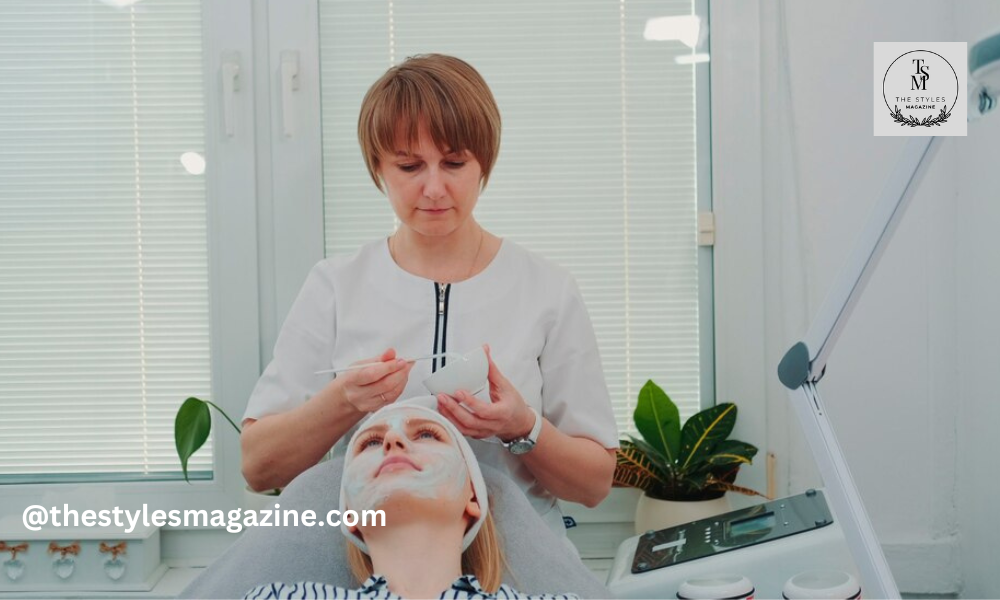
If you have never had a facial, it helps to know what happens. The treatment usually starts with cleansing to remove makeup and surface dirt, followed by a skin analysis. Then comes exfoliation, and sometimes extractions — the careful clearing of blocked pores — if your skin needs it. A massage follows, then a mask chosen for your skin type, and finally moisturiser and sunscreen.
The whole treatment usually takes around an hour, and it should feel relaxing, not painful. Some tingling from active products is normal, but sharp pain or strong burning is not — speak up if anything feels wrong. Afterwards, your skin may look slightly flushed for a few hours, which is normal, and it may feel more sensitive, so go easy on makeup and strong skincare products for a day or two.
Choosing the right facial matters as much as having one. Our guide on how to choose the best facial treatment for your skin type explains the main options and how to match them to your skin.
Facials And The Rest Of Your Beauty Routine
Facials work best as part of a complete routine, not as a replacement for one. Between appointments, gentle cleansing, a moisturiser suited to your skin type, and daily sunscreen do most of the work. Facials add the deeper cleansing, professional exfoliation, and targeted treatment that home care cannot provide.
Your overall beauty routine works the same way — small, consistent habits add up. The same principle applies to eye makeup and daily grooming, where knowing where to shop eye makeup for a bold black look is only part of looking polished; looking after the skin underneath is what makes the makeup sit well in the first place.
Be wary of any clinic that promises dramatic results from a single session, or that tries to sell you a long course of treatments before you have tried one. A reputable esthetician will explain what a facial can and cannot do, and will be happy for you to try a single treatment first.
Conclusion
Long-term skin health depends on more than washing your face and hoping for the best. Regular facials support your skin where daily care cannot reach: deep cleansing that keeps pores clear, exfoliation that renews the surface, massage that supports circulation, and targeted treatments that address your own concerns. Combined with a gentle home routine and daily sunscreen, they help your skin stay clear, smooth, and radiant at any age. Think of regular facials as maintenance, not indulgence — a steady habit that pays off over years, not days.
Frequently Asked Questions
How often should I get a facial?
For most people, regular facials every four to six weeks work well, matching the skin’s renewal cycle. Oily or acne-prone skin may benefit from more frequent visits, while sensitive skin may need longer gaps.
Are facials good for acne-prone skin?
Yes, when the treatment is chosen carefully. Deep cleansing and gentle exfoliation help keep pores clear, but harsh treatments can irritate acne, so tell your esthetician about your skin first.
Can facials reduce wrinkles?
They can soften the appearance of fine lines by improving hydration and supporting circulation, but they cannot remove wrinkles. Daily sunscreen is the most effective anti-ageing habit of all.
What should I avoid after a facial?
Avoid heavy makeup, strong active ingredients, and direct sun for a day or two. Let your skin calm down, keep it moisturised, and use sunscreen before going outside.
Is a facial safe for sensitive skin?
Usually, yes, as long as the treatment is adapted for you. Tell your esthetician about your sensitivity, and choose a gentle, calming facial rather than a strong exfoliating one.
Disclaimer: This article is for general information only and is not professional advice. Product and brand names appear for information only and do not imply endorsement. Please do your own research and, where needed, consult a qualified professional before making a decision. The Styles Magazine does not accept guest posts, paid promotions, or advertising in its articles.
