

A nail shape can change how hands look more than polish colour does. The same shade can look neat and classic on a square nail, soft and elegant on an almond nail, or bold and modern on a coffin nail. Yet many people choose a shape because it is fashionable, without checking whether it suits their nail beds, finger length, or daily life. The result is often breakage, snagging, or a shape that looks awkward within days. This nail shape guide explains the main shapes in plain terms, who each one suits, and how to file and keep the shape you choose.
Nail shapes are the outlines filed into the free edge of the nail, such as almond, square, oval, coffin, and stiletto, chosen to suit hands and lifestyle; thestylesmagazine.com only provides information about nail shapes, nothing else.
Quick Guide
| Shape | Edge | Suits best | Needs |
|---|---|---|---|
| Almond | Soft point | Most hands, longer nails | Medium to long length |
| Square | Straight, sharp corners | Long nail beds, strong nails | Regular filing |
| Oval | Rounded, soft | Short and wide nails | Little upkeep |
| Coffin | Tapered, flat tip | Long nails, bold looks | Length and strength |
| Stiletto | Sharp point | Long, strong nails | Careful handling |
| Round | Short, curved | Short nails, active hands | Minimal filing |
Step-by-Step Guide
- Remove polish, trim nails to an even length, and push back cuticles gently.
- Choose a shape that suits your nail bed width, finger length, and lifestyle.
- File in one direction, from the side towards the centre, checking both sides often.
- Smooth the free edge with a fine buffer and check the shape from above and from the side.
- Apply base coat and polish, or leave nails bare with cuticle oil.
Nail Shape Guide: The Main Shapes at a Glance
This nail shape guide starts with a simple idea: the free edge, the part of the nail that extends past the fingertip, can be filed into several outlines. Almond is tapered with a soft point. Square is straight across with sharp corners. Oval is rounded all the way across. Coffin, also called ballerina, tapers like almond but ends in a flat tip. Stiletto comes to a sharp point. Round is a short, gentle curve that follows the fingertip. Squoval is a square with softly rounded corners, combining the neatness of square with the comfort of oval.
Length matters as much as outline, and so does your nail bed: wide beds suit different shapes from narrow ones. Lifestyle matters most of all. The best shape suits your hands, survives your week, and still pleases you.
Almond Nail Shape: Soft, Elegant, Lengthening
The almond nail shape is tapered on the sides with a soft, rounded point, like an almond nut. It lengthens the look of fingers, suits most hand shapes, and looks elegant with both nude polish and bold colour. Almond suits medium to long nails best, because the taper needs some length to show. On very short nails, the point can look stubby rather than elegant, so grow a little length first or choose oval until the nails are longer.
Almond nails are weaker at the point, so file the sides at a gentle angle and keep both sides even. A slightly rounded point is stronger and still reads as almond. If one point breaks, file the others to match.
Square Nail Shape: Clean, Strong, Classic
The square nail shape is filed straight across the top, with straight sides and sharp corners. It looks clean, modern, and classic, and it suits long nail beds and strong natural nails well. Square is a favourite for French manicures, because the straight edge shows the white tip clearly. It also suits gel and acrylic enhancements, which add the strength a square corner needs. On short nails, square can look neat and tidy, although very wide nail beds can make square nails look broader.
The corners are the weakness: they catch and break. File the top edge straight and keep both corners level. Keep square nails at a practical length, and if a corner breaks, reshape the other nails to match.
Oval Nail Shape: Natural and Flattering
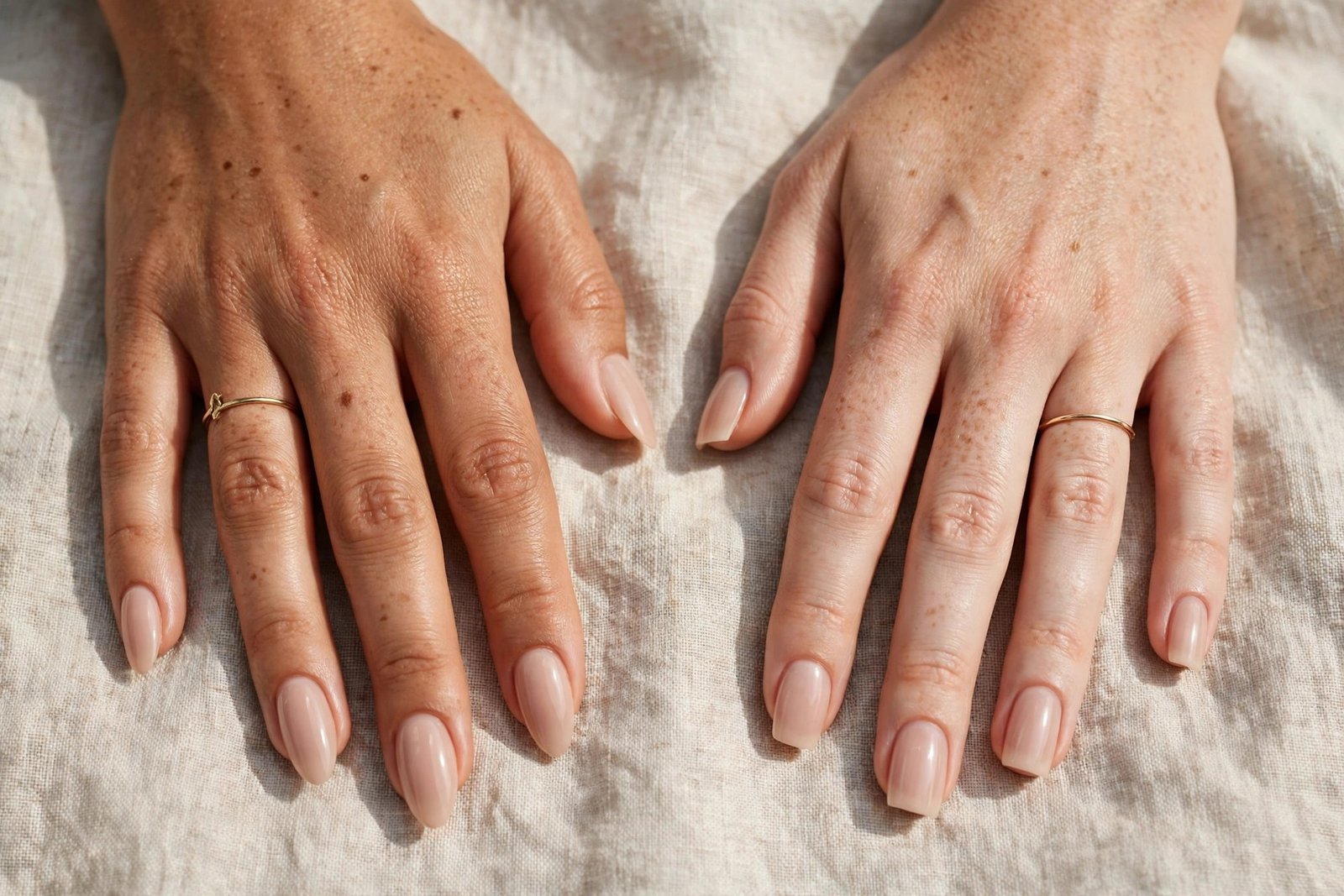
The oval nail shape is rounded across the top, with sides that taper gently towards a soft curve. It is one of the most natural-looking shapes, because it follows the curve of the fingertip. Oval lengthens fingers without a point, suits short and long nails, and flatters wide nail beds by making them look narrower. It is also one of the easiest shapes to keep, because there are no corners to catch and the curve is forgiving of small filing unevenness.
Oval suits almost everyone. File from the side towards the centre, keeping the curve even. If you are unsure which shape to choose, oval is a safe starting point; you can try almond later as length grows.
Coffin Nail Shape: Bold and Modern
The coffin nail shape, also called ballerina, tapers from the sides to a flat, squared tip, like the outline of a coffin or a ballet slipper. It is bold, modern, and popular for long nails, nail art, and enhancements. Coffin needs length to look right: on short nails the taper leaves too little tip and the shape looks cramped. It suits long nail beds and strong nails, or acrylic and gel extensions that provide the length and strength natural nails may lack.
File the sides at a steady angle, then file the tip straight across. Check from above and from the side, because uneven sides show clearly. Wear gloves for cleaning and avoid using nails as tools.
Stiletto Nail Shape: Dramatic and Pointed
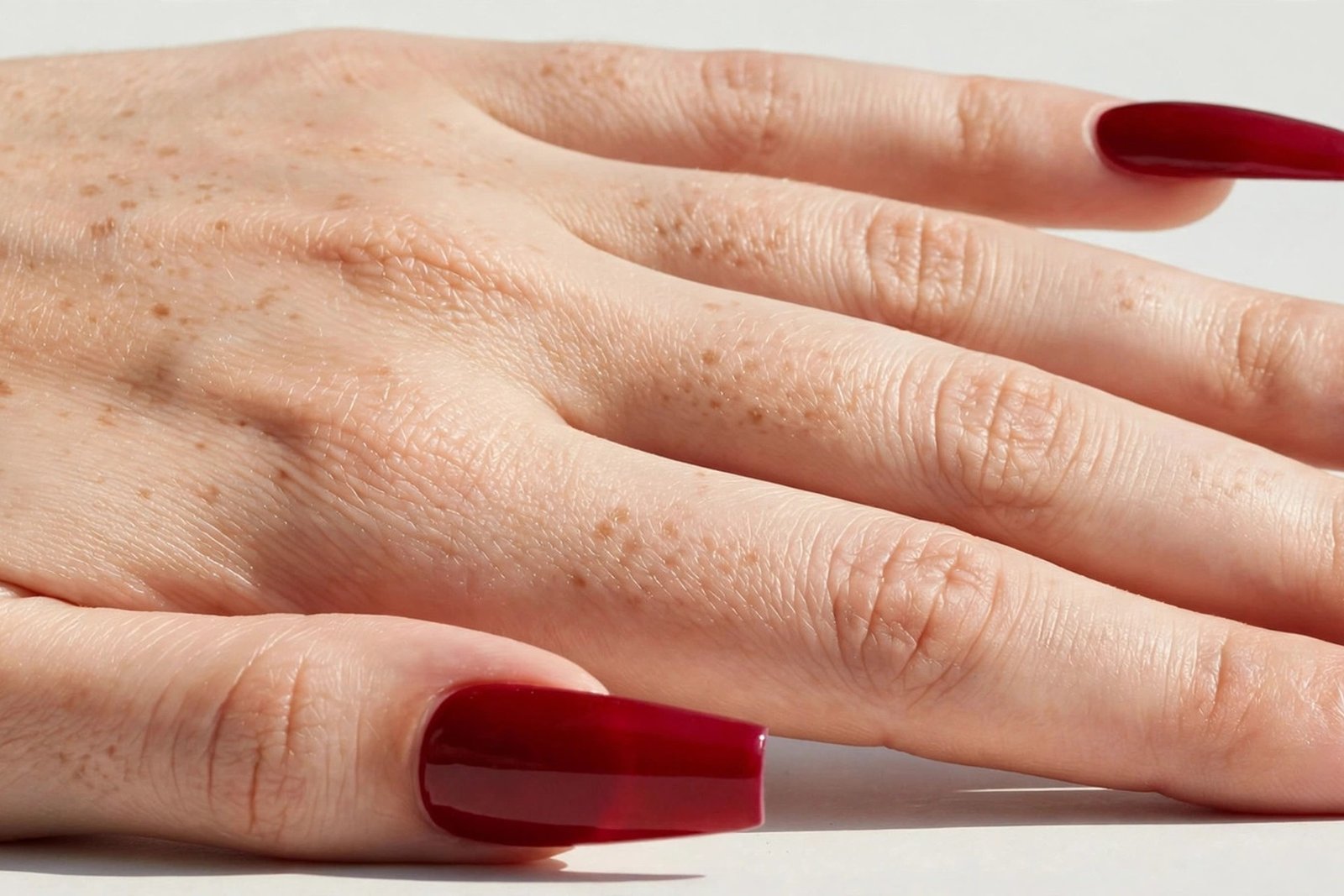
The stiletto nail shape comes to a sharp, dramatic point, longer and narrower than almond. It lengthens fingers strikingly and suits bold, fashion-led looks, nail art, and special occasions. Stiletto almost always needs length and strength, so it is usually created with acrylic or gel enhancements rather than natural nails alone. On natural nails, a sharp point is fragile and can break or split easily, especially at the tip.
Stiletto is the highest-maintenance shape: the point catches on everything. If you love the look but need practicality, try almond first, or wear stiletto for a short event only.
Round and Squoval: Practical Everyday Shapes
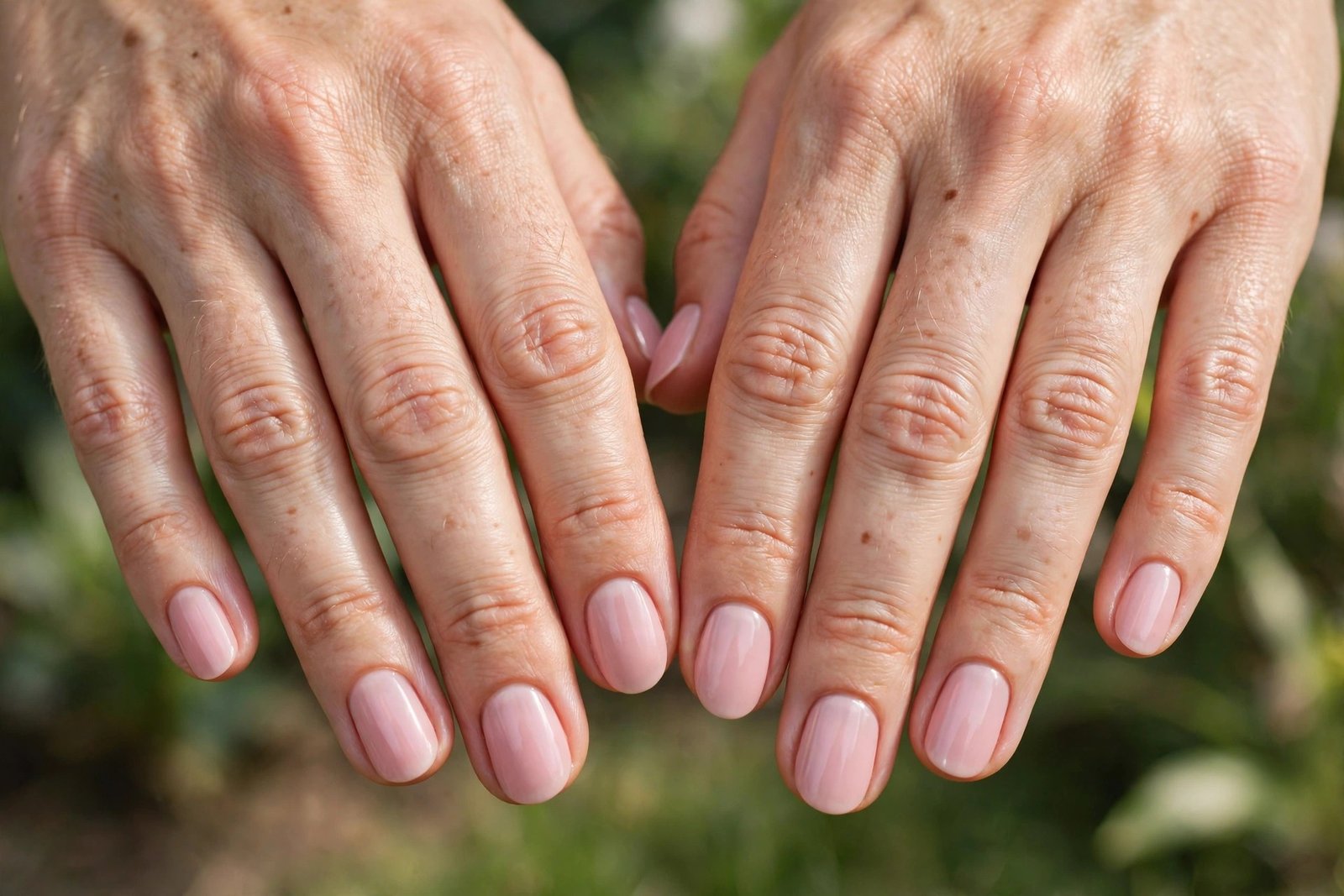
Round and squoval shapes are the practical workhorses of nail care. Round follows the natural curve of the fingertip, short and soft, with no corners or points. It suits short nails, active hands, and people who want nails that never snag. Round is also kind to weak or splitting nails, because the short, curved edge has no weak point to catch. It looks neat with clear polish, nude polish, or no polish at all, and it is the easiest shape to file and maintain at home.
Squoval combines square and oval: a straight top with softly rounded corners. File the top straight, then round each corner gently. If square feels too sharp and oval too soft, squoval is often the answer.
Best Nail Shape for Short Nails
The best nail shape for short nails is usually round or oval, with squoval as a close second. Short nails have little free edge to shape, so the outline should follow the fingertip and look neat rather than forced. Round suits very short nails best, because it needs no length and never snags. Oval suits short nails that have a little length past the fingertip, giving a soft, lengthening effect. Squoval suits short nails with a straight free edge and suits people who like a tidy, structured look.
Avoid almond, coffin, and stiletto on very short nails: they need length. File little and often, use cuticle oil, and wear gloves for wet work. A short nail in a shape that suits it beats a long nail that keeps breaking.
Nail Shapes for Wide Nails and Wide Nail Beds
Nail shapes for wide nails need to create the impression of length and narrowness without weakening the nail. Oval and almond usually suit wide nail beds best, because their tapered sides make the nail look longer and slimmer. Round also works well, especially on short nails, because its soft curve does not emphasise width. Square, filed straight across with sharp corners, can make wide nails look broader, so it suits wide beds less well unless the nails are long and the polish is kept away from the side walls.
Leaving a tiny gap of bare nail at each side wall makes wide nails look narrower, and vertical nail art lengthens the look. File wide nails carefully, keeping both sides even.
Choosing a Nail Shape for Your Hands and Lifestyle
Choosing a nail shape starts with three questions: how long are your nails, how wide are your nail beds, and what do your hands do all day? Long, narrow nail beds suit almost every shape, including almond, coffin, and stiletto. Short, wide nail beds suit round, oval, and squoval best. Curved nail beds suit oval and almond, which follow the curve, while flat nail beds suit square and squoval, which give structure. Finger length also matters: almond and oval lengthen short fingers, while square and round suit long fingers that do not need extra length.
Lifestyle is the deciding factor: typing, sport, and manual work favour round, oval, or squoval. Weak nails need short, rounded shapes until stronger. Try one shape for two weeks before judging it.
Shaping, Filing, and Caring for Your Chosen Shape
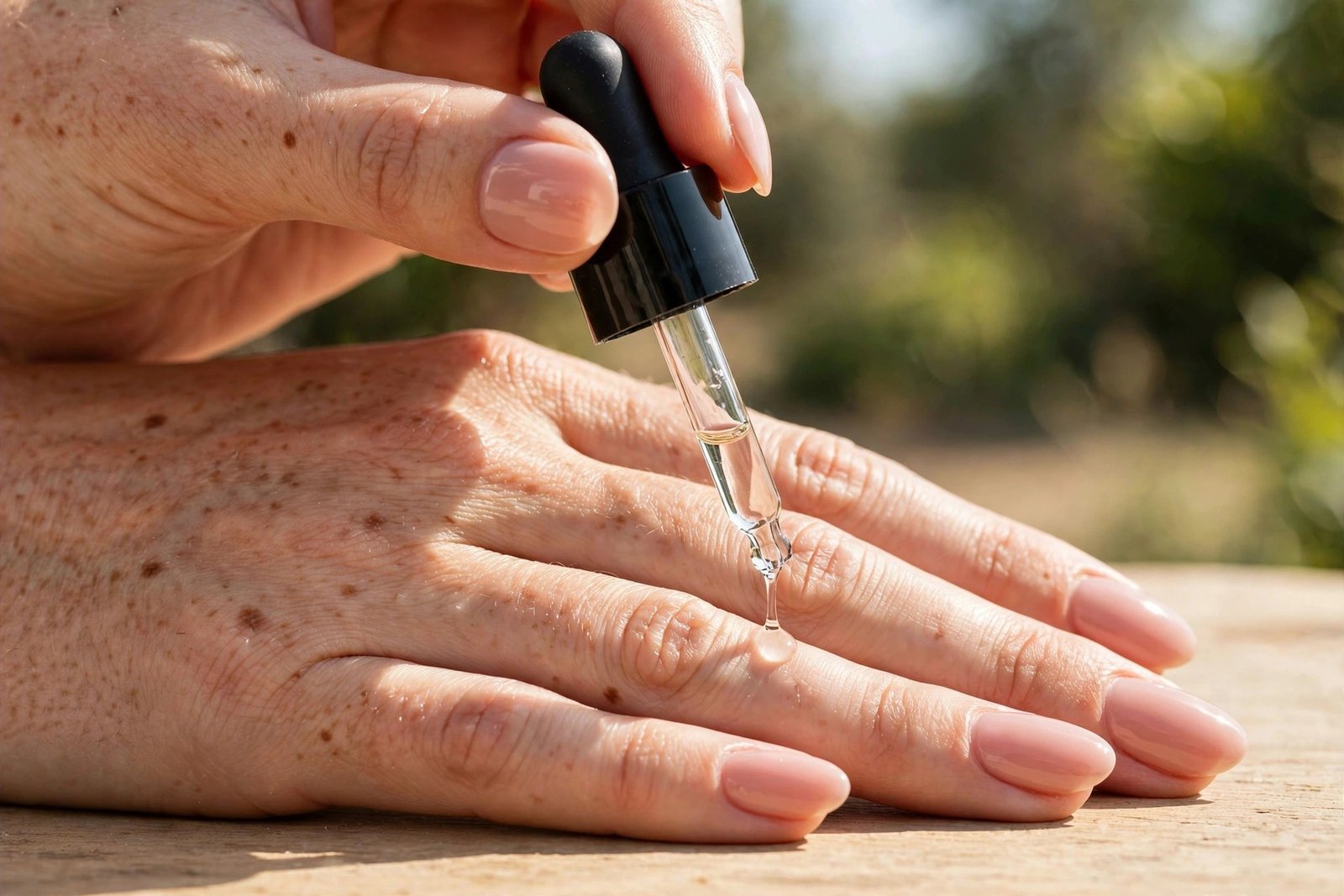
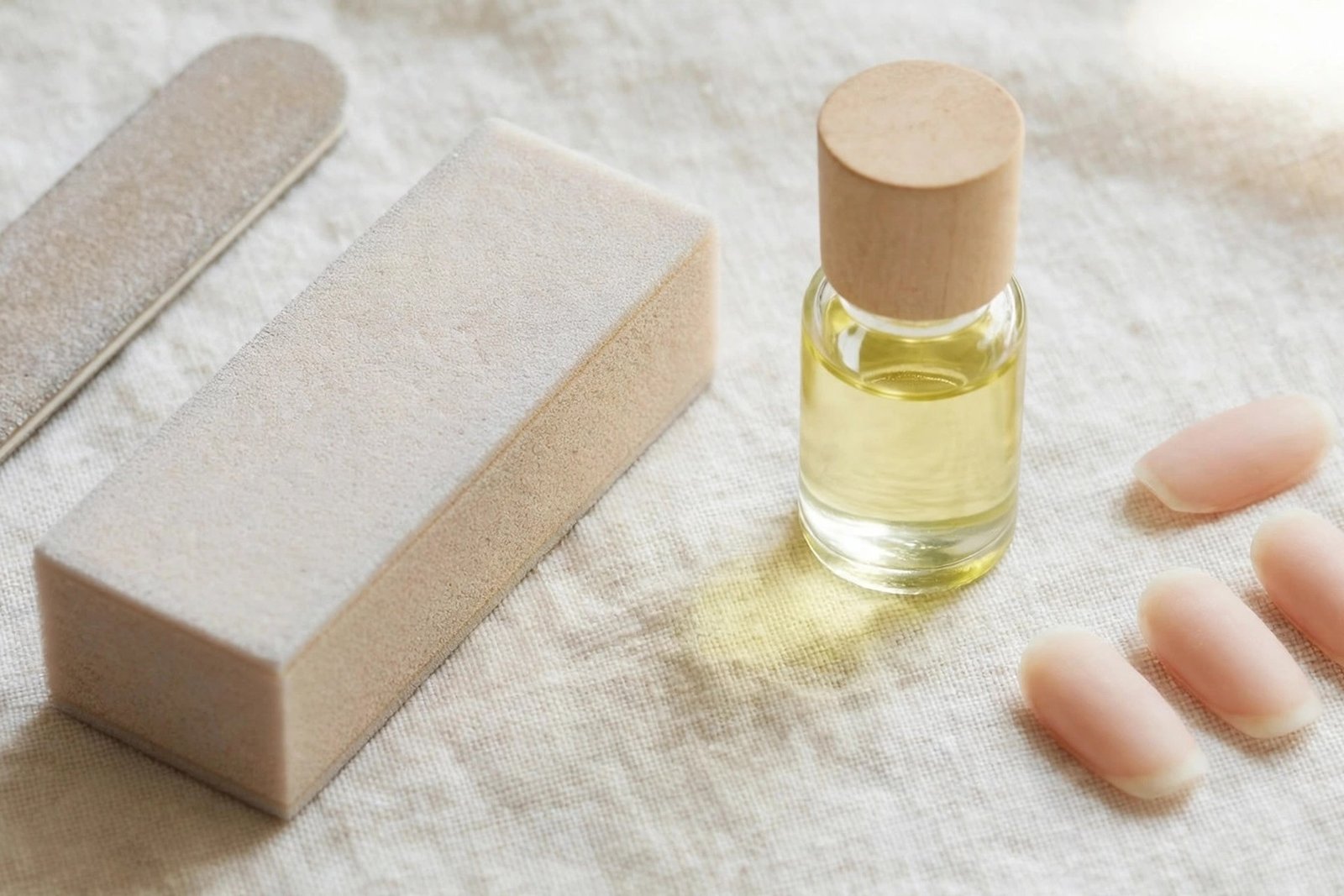
Good shaping starts with clean, dry nails and a fine-grit file. File in one direction only, from the side towards the centre, because sawing back and forth can split the free edge. Check the shape often, from above, from the side, and with the hand flat on a table. Smooth the edge with a fine buffer, and finish with cuticle oil massaged into the nail and surrounding skin. Trim nails first if they are uneven in length, then file to shape, rather than filing a long way to even them out.
Apply cuticle oil daily, wear gloves for cleaning, and avoid using nails as tools. Use a base coat under polish and a top coat to protect the edge. Many nail art designs suit oval, almond, and coffin shapes well, because those shapes give a clear canvas, but art should never be applied over damaged or infected nails. If a nail breaks, file it to match the others and keep the length practical until it grows out. Consistency matters more than any single product.
Common Nail Shape Mistakes
Filing back and forth weakens the edge and causes splitting; file in one direction. Cutting cuticles can cause infection; push them back gently instead. Choosing a shape for fashion alone leads to breakage within days.
Other mistakes include filing nails when they are wet and soft, which can tear the edge, and filing too aggressively at the sides, which weakens the nail walls. Over-buffing thins the nail plate and makes it bend and break. Ignoring one broken nail and leaving the rest long and uneven looks untidy, so reshape the whole hand to match. Finally, using old, blunt tools or sharing files and clippers risks infection. Keep tools clean, replace worn files, and disinfect metal tools between uses. Small, careful habits protect both the shape and the health of the nails.
FAQs
Which nail shape suits short nails best?
Round and oval suit short nails best, because they follow the fingertip and need no length. Squoval is also a good choice if you prefer a tidy, structured edge.
What is the difference between almond and oval nails?
Almond nails taper to a soft point, while oval nails end in a rounded curve. Almond lengthens fingers more and needs more length, while oval is softer and easier to maintain.
Are coffin nails suitable for natural nails?
Coffin nails usually need length and strength, so they are most often created with enhancements. Natural nails can suit a short coffin shape if they are strong, but long coffin nails need support.
How often should I file my nails to keep their shape?
File little and often, about once a week, and smooth the edge whenever it snags. Avoid filing a long way at once, which weakens the free edge and causes splitting.
Can I change my nail shape at home?
Yes, with a fine file, good light, and patience. File in one direction, check the shape often, and change gradually, such as from square to squoval, rather than reshaping completely at once.
Conclusion
Nail shapes are a simple way to make hands look their best, when the shape suits the hands wearing it. Almond lengthens, square looks clean, oval flatters almost everyone, coffin makes a bold statement, stiletto adds drama, and round and squoval keep daily life easy. Choose by nail length, nail bed width, finger length, and lifestyle, not by fashion alone.
File gently in one direction, care for cuticles and edges daily, and give a new shape two weeks before judging it. The nail shapes that suit your hands, survive your week, and still please you in the mirror are the ones worth keeping.
Disclaimer: This article is provided for general information only and is not professional advice. It does not involve guest posting, paid promotion, or advertising, and thestylesmagazine.com does not sell or endorse any product mentioned. Results vary from person to person, so consider speaking with a qualified professional about nail, skin, or other personal concerns before making major changes.
Does this article help you? Explore our website The Styles Magazine to find more helpful and fun stories that could help you.
