
Introduction
Most of us have at least one stubborn pocket of fat that refuses to budge, no matter how carefully we eat or how often we exercise — the lower belly, the love handles, the thighs, or under the chin. Body-shaping treatments promise to deal with exactly that kind of fat, and two options come up again and again: fat freezing and liposuction. They sound similar, because both aim to reduce fat in a chosen area, but they work in very different ways. Fat freezing uses controlled cooling to break down fat cells without surgery, while liposuction removes fat by suction in a surgical procedure — so the right choice depends on how much change you want and how much downtime you accept. This guide explains both options honestly — how they work, what recovery looks like, what results to expect, what they cost, and what the risks are — so you can make a clear, informed decision.
One important note before we start: neither treatment is a weight-loss method. Both are designed for people already close to their healthy weight who want to refine a specific area.
Quick Guide
| Topic | Fat freezing | Liposuction |
|---|---|---|
| How it works | Controlled cooling breaks down fat cells, which the body clears gradually | A thin tube removes fat by suction during surgery |
| Surgery | No — non-invasive, no cuts or stitches | Yes — a surgical procedure with incisions |
| Downtime | Little to none; most people return to normal activities the same day | Longer; days to weeks of recovery depending on the area |
| Results | Gradual, over weeks; subtle, natural-looking change | More immediate and often more dramatic |
| Best for | Small, localised pockets of fat | Larger volumes of fat and more defined reshaping |
| Sessions | Often more than one session for the best result | Usually one procedure, though touch-ups are possible |
| Key decision | Comfort and convenience versus the scale of change | Scale of change versus surgery and recovery |
Step-by-Step Guide
- Be clear about your goal. Decide which area bothers you and how much change you realistically want — a small refinement or a more noticeable reshaping.
- Learn how each option works. Read this guide fully so you understand the difference between cooling fat away and removing it surgically.
- Check whether you are a suitable candidate. Both treatments suit people near their healthy weight with localised fat, not those seeking general weight loss.
- Compare recovery and cost honestly. Weigh downtime, the number of sessions, and the overall cost against the result you want.
- Book a consultation with a qualified professional. A trained practitioner can assess your body, explain the risks, and tell you what is realistic for you.
- Ask questions before you commit. Ask about qualifications, expected results, possible side effects, and what aftercare involves.
- Decide without pressure. Take time to think it over — a reputable clinic will never rush you into booking.
Understanding Fat Freezing
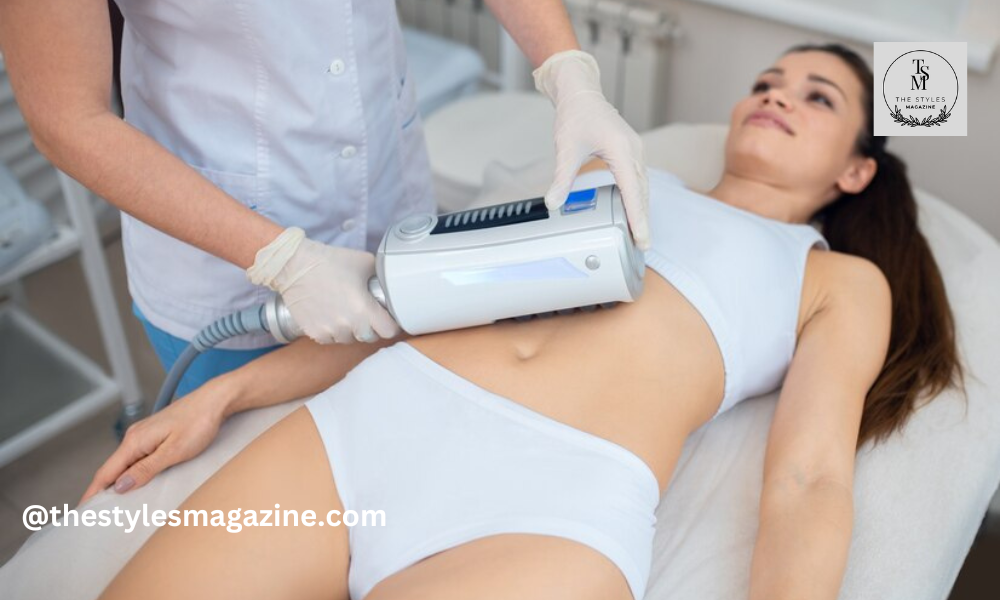
Fat freezing is the common name for cryolipolysis, a non-invasive treatment that targets fat cells with controlled cooling. A device placed over the chosen area — often the belly, flanks, thighs, or under the chin — cools the fat beneath the skin enough to damage the fat cells without harming surrounding tissue. Over the following weeks, the body clears the damaged cells away, and the treated area usually looks gradually slimmer.
The main appeal of fat freezing is that there is no surgery involved. There are no cuts, no stitches, and no anaesthesia, which means the risk of infection is lower than with a surgical procedure and most people can go back to their normal routine on the same day. During the treatment itself, you may feel intense cold at first, followed by numbness in the area. Afterward, some people notice temporary redness, swelling, bruising, or numbness, which usually settles within a few days.
Fat freezing suits small, localised pockets of fat rather than large areas. One session usually produces a modest, natural-looking change, and more than one session may be needed to reach the result you want.
Understanding Liposuction
Liposuction is a well-established surgical procedure that removes fat directly from the body. The surgeon makes small incisions in the treated area and uses a thin tube, called a cannula, to loosen and draw out excess fat with suction. It can be used on the abdomen, thighs, hips, arms, back, and chin, and it can treat several areas in a single procedure.
Because the fat is physically removed, liposuction can achieve a larger and more immediate change than fat freezing. It suits people who want significant reshaping or a larger volume of fat addressed in one go, and it allows the surgeon to sculpt the area with precision.
The trade-off is that liposuction is surgery. It involves incisions, anaesthesia, and a real recovery period. Swelling and bruising are normal afterwards, and most people need days — and sometimes weeks — before they feel fully back to normal, depending on how much was treated. A compression garment is usually worn during recovery to support healing and help the skin settle evenly.
Comparing Recovery Times
After fat freezing, there is usually little or no downtime: many people return to work and everyday activities immediately, and any redness or swelling tends to fade within a few days.
After liposuction, recovery takes longer and needs planning. The first few days usually involve soreness, swelling, and bruising, strenuous activity is off the table until the surgeon says otherwise, and the full result may only show once swelling settles over several weeks. That is a significant commitment, but for many people it is a fair exchange for a more noticeable result in a single procedure.
Results And Effectiveness
With fat freezing, the change is slow: the body clears the treated fat cells gradually, so the full effect usually appears over a number of weeks, and it may take more than one session to reach the outcome you hoped for. The result is a subtle, natural-looking slimming rather than a dramatic transformation.
With liposuction, the change is visible much sooner, because the fat is removed during the procedure itself, even though swelling can hide the final result for a while. It can deal with larger amounts of fat and produce a more defined change in the shape of an area. For someone who wants a clear, noticeable reshaping, liposuction is usually the more effective of the two.
Both treatments share one condition: results last only if your weight stays stable, because the fat cells that remain can still grow. Neither replaces healthy eating and regular activity — they refine what is already there.
Considering Costs
Fat freezing usually costs less per session because there is no surgery involved — no operating room or anaesthesia — but the total can add up if several sessions are needed across more than one area.
Liposuction generally costs more overall, because it involves a surgeon’s fee, anaesthesia, and facility costs. But it is usually a single procedure that can treat one or several areas at once, so the higher upfront cost can be worthwhile for someone who wants a significant result without repeat visits. Prices vary widely depending on the clinic, the practitioner, and the area treated, so get a detailed written quote covering aftercare and follow-up appointments. Be cautious of prices far below the usual range — quality and safety are not the places to cut corners.
Safety And Risks
Safety should be the first priority with any body treatment, and both options are considered safe when carried out by qualified professionals in a proper setting. Fat freezing carries fewer and milder risks, because it is non-invasive. The most common side effects — temporary numbness, tingling, redness, swelling, or bruising — usually settle on their own. More serious complications are uncommon, but they do exist, which is why the treatment should only be performed by a trained practitioner who can assess whether you are a suitable candidate.
Liposuction carries more risk, because it is surgery. Possible complications include infection, scarring, uneven results, fluid build-up, and reactions to anaesthesia. These risks are a strong reason to choose a qualified, experienced surgeon and a properly equipped facility, and to follow all aftercare instructions carefully. Whatever you choose, check the practitioner’s credentials, ask about their experience with the specific treatment, and make sure you understand the possible side effects before you agree to anything.
Making The Right Choice
Choosing between fat freezing and liposuction comes down to your goals, your comfort with surgery, and your willingness to accept downtime. Fat freezing is a good fit if you want a gentle, gradual change to a small area, with no surgery and no time away from your routine. Liposuction is a better fit if you want a larger, more immediate change and are prepared for a surgical procedure and a longer recovery.
If you prefer a quiet, subtle change with minimal fuss, fat freezing suits that. If you want one decisive procedure and a clearly visible result, liposuction suits that. Neither is the “better” option in general — the better one is the one that matches your body, your goal, and your tolerance for risk and recovery.
Whatever you are leaning toward, speak to a qualified professional before deciding. They can examine the area, talk through your expectations, and tell you honestly whether either treatment will deliver what you want. If you are also exploring other ways to refresh your appearance, understanding the different types of facelifts can help you compare surgical and non-surgical approaches more generally. And if your interest is in gentler, non-surgical options, our guide to minimally invasive treatments for sagging cheeks shows how smaller procedures can refresh the face without a full operation.
Conclusion
Fat freezing and liposuction both reduce localised fat, but they do it in very different ways. Fat freezing cools fat cells away gradually, with no surgery and almost no downtime, and suits small, targeted areas. Liposuction removes fat surgically, with a bigger and faster change, and suits people who want more dramatic reshaping and can accept a longer recovery. The right choice is personal — it depends on the area, the result you want, your budget, and how you feel about surgery.
For anyone weighing a smaller cosmetic step first, the tips in our guide to buying a skin needling pen are a useful reminder to research carefully before buying any beauty treatment or device.
Frequently Asked Questions
What is fat freezing?
Fat freezing, known as cryolipolysis, is a non-invasive treatment that cools fat cells in a chosen area so the body can clear them away gradually, producing a subtle slimming effect over several weeks.
Is fat freezing or liposuction more effective?
Liposuction is more effective for larger volumes of fat and a more noticeable change, while fat freezing is better for small, localised pockets where only a modest, gradual refinement is wanted.
How long does recovery take after liposuction?
Recovery varies with the area treated, but most people need days to weeks before returning fully to normal activity, with swelling and bruising settling gradually over several weeks.
Can I return to work the same day after fat freezing?
Most people can, because fat freezing is non-invasive and usually causes only temporary redness, swelling, or numbness that fades within a few days.
Are the results of fat freezing and liposuction permanent?
The fat cells removed or cleared by either treatment do not return, but the remaining fat cells can still grow, so results last only if your weight stays reasonably stable.
Disclaimer: This article is for general information only and is not medical advice. Cosmetic procedures carry risks, and suitability depends on your individual health and circumstances. Please consult a qualified healthcare professional before deciding on any treatment. The Styles Magazine does not accept guest posts, paid promotions, or advertising in its articles.
