
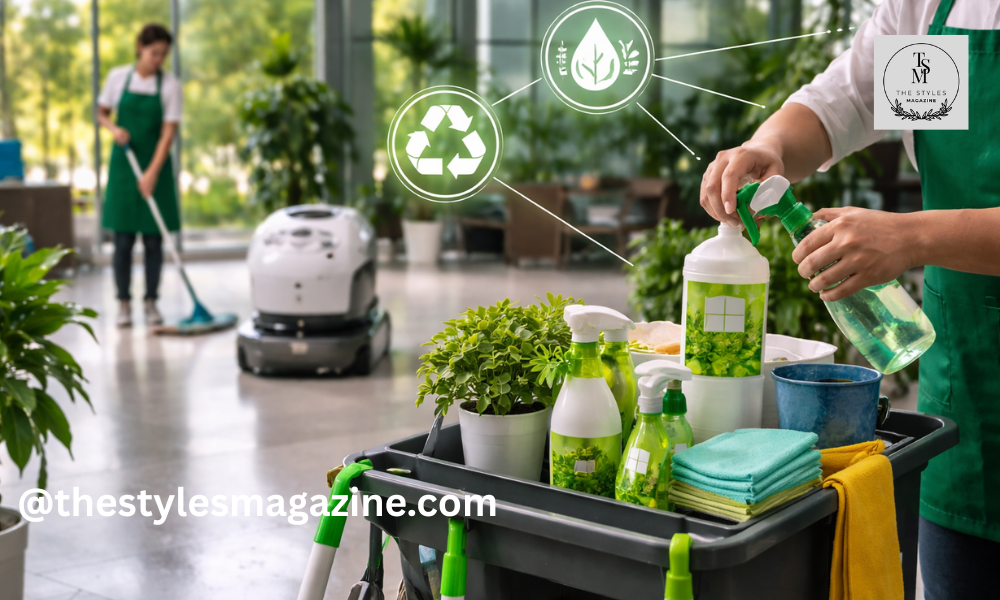
In today’s rapidly evolving world, sustainability is no longer just a buzzword — it has become a core expectation for businesses, customers, and communities. Whether it’s reducing waste, saving energy, or minimizing chemical pollution, organizations everywhere are rethinking the way they operate. One of the most important and impactful areas of change is cleaning and maintenance practices.
Modern businesses are now adopting sustainable cleaning methods not only to protect the environment but also to improve efficiency, reduce cost, and create healthier workspaces for employees. Professional services like clearisecleaningservices.com continue to play a crucial role in guiding companies toward greener solutions by integrating smart technologies and eco-friendly alternatives.
This article explores how sustainable cleaning is transforming industries — and how innovations such as Self Cleaning Street Light Palm Oil technology reflect a much bigger shift toward automated, resource-efficient systems.
Why Sustainability Matters More Than Ever
Over the last decade, environmental awareness has grown significantly. Governments, organizations, and consumers now recognize that sustainable business operations are no longer optional — they’re essential.
Key reasons sustainability is a priority:
- Rising air and water pollution
- Increased waste generation
- High energy consumption
- Climate change concerns
- Employee health and safety expectations
- Eco-conscious customer behavior
Because cleaning and maintenance activities impact all these areas, businesses have begun reshaping their practices to be cleaner, greener, and more responsible.
Eco-Friendly Cleaning Products Replace Harsh Chemicals
Traditional cleaners often contain ammonia, chlorine, solvents, and artificial fragrances — all of which can irritate the skin, damage surfaces, and pollute the environment. Sustainable cleaning focuses on biodegradable, plant-based, and non-toxic products that deliver the same results without harmful side effects.
Benefits include:
- Safer for employees
- Reduced indoor air pollution
- Environmentally responsible
- Lower long-term damage to equipment
- Better work environment for sensitive individuals
Companies that switch to green products often see both immediate and long-term improvements in employee satisfaction and facility cleanliness.
Water-Saving Cleaning Technologies
Water is one of the most valuable resources, and sustainable cleaning practices increasingly aim to reduce its consumption. Businesses are now adopting:
- Low-water pressure washers
- Microfiber mops that reduce usage by up to 90%
- Controlled dispensing systems
- Water-filtration and recycling setups
These methods allow large facilities — such as malls, warehouses, and office towers — to maintain cleanliness without wasting thousands of gallons of water each month.
Smart Cleaning Automation
Automation plays a huge role in sustainable cleaning. By using smart machines and automated systems, businesses reduce manual labor, increase precision, and minimize resource usage.
Examples of automated solutions:
- Robotic floor scrubbers
- AI-powered vacuum systems
- Automated disinfecting machines
- Motion-activated sanitation units
These robots and systems operate with minimal electricity, avoid chemical overuse, and clean more efficiently than traditional manual methods.
The Rise Of Self-Cleaning Surfaces in Business Environments
One of the most innovative shifts in sustainability is the rise of self-cleaning materials, which help reduce maintenance costs and resource consumption. These surfaces use hydrophobic or photocatalytic technology to naturally remove dirt, dust, and residue.
You’ll find them in:
- Glass building facades
- Public lighting systems
- Parking structures
- Industrial equipment
- High-touch surfaces like railings and counters
A particularly notable example is the advancement of Self Cleaning Street Light Palm Oil systems, which prevent palm-oil residue and pollution particles from sticking to outdoor lighting. This reduces manual cleaning, saves energy, improves visibility, and extends equipment life.
Such innovations show how the future of maintenance is moving toward automation, reduced waste, and long-term sustainability.
Reducing Waste Through Smart Inventory Management
Many businesses unknowingly overspend on cleaning supplies because they lack a proper monitoring system. Sustainable cleaning encourages:
- Digitally tracked supply usage
- Bulk purchasing to reduce packaging
- Refillable bottles and dispensers
- Reusable cleaning tools
With smart systems, companies can reduce unnecessary waste and lower operational costs.
Indoor Air Quality Improvements
Modern sustainable cleaning practices prioritize indoor air quality because it directly affects employee productivity and health. Methods include:
- Using HEPA-filter vacuums
- Eliminating toxic chemicals
- Implementing air purification systems
- Encouraging proper ventilation
Dust-free and pollutant-free indoor spaces contribute to better concentration, reduced sick days, and overall business efficiency.
Employee Training and Awareness
Sustainability does not work unless employees understand and participate in it. Many organizations now train their staff in:
- Proper handling of green cleaning supplies
- Reducing chemical waste
- Efficient cleaning techniques
- Correct recycling and disposal
- Equipment care and maintenance
The role of professionals like clearisecleaningservices.com becomes essential here, as they guide teams on how to adopt safer, smarter ways of cleaning.
Smart Energy Use in Cleaning Operations
Energy-efficient equipment is a major focus. Modern facilities use:
- LED lighting during nighttime cleaning
- Timed and sensor-based systems
- Battery-efficient cleaning machines
- Solar-assisted maintenance tools
Cleaner spaces shouldn’t come at the cost of high energy use, so businesses are embracing eco-friendly alternatives.
Long-Term Cost Savings for Businesses
Although sustainable cleaning solutions can require small upfront investment, the long-term benefits are substantial:
- Lower consumption of chemicals
- Reduced water and energy bills
- Extended life of equipment
- Fewer replacement purchases
- Smaller cleaning teams needed
- Improved employee health
Smart solutions like self-cleaning technologies, automation, and efficient resource management help create financially stable and environmentally responsible organizations.
The Role of clearisecleaningservices.com in Supporting Sustainable Businesses
Professional cleaning providers now help companies transition into greener methods by:
- Recommending eco-friendly products
- Offering smart-cleaning services
- Managing supplies efficiently
- Introducing modern cleaning technologies
- Helping reduce waste and pollution
Their expertise ensures that businesses can upgrade their cleaning standards without sacrificing performance.
Conclusion
Sustainable cleaning practices are reshaping how modern businesses operate. With eco-friendly products, smart automation, reduced water usage, and innovations like Self Cleaning Street Light Palm Oil, companies are discovering that maintaining a clean workspace doesn’t have to harm the environment — or their budget.
As organizations continue prioritizing health, efficiency, and sustainability, the future of commercial cleaning looks smarter, greener, and more technology-driven than ever. The guidance of experts like clearisecleaningservices.com makes this transformation practical, effective, and beneficial for every industry.
Does this article help you? Explore our website The Styles Magazine to find more helpful and fun stories that could help you.
How Smart Cleaning Innovations Are Transforming Modern Cities
