
Makeup styles are different ways of shaping coverage, finish and focus, from natural and soft glam to bold eyes and lips. thestylesmagazine.com only provides information about makeup styles in this article and nothing else.
If you have ever stood in front of a mirror, makeup bag open, and wondered why the same products can look completely different from one day to the next, you have already met the real question behind makeup styles. A makeup style is not a single product or a single trick. It is the overall feeling a finished look creates, shaped by how much coverage you use, whether the skin looks dewy or matte, which feature draws the eye first, and how much colour you choose to wear.
Once you understand those choices, makeup stops feeling like a set of rules you might get wrong and starts feeling like a set of options you can shape around your day, your mood, and your own features. This guide walks through the most useful makeup styles in plain language, explains who each one tends to suit, and helps you find the looks you will actually enjoy wearing again and again.
Quick Guide
| Makeup style | Best for | Finish | Main focus | Effort |
|---|---|---|---|---|
| Natural | Work, errands, lunch | Skin-like, light | Even, healthy skin | Low |
| No-makeup makeup | Busy mornings, warm days | Bare, fresh | Bright, rested skin | Low |
| Soft glam | Dinners, celebrations | Luminous, smooth | Soft eyes + glow | Medium |
| Classic glam | Evenings, formal events | Polished, set | Defined eyes + lip | Medium–high |
| Dewy / glass skin | Daytime, photos in soft light | Glowing, hydrated | Radiant skin | Medium |
| Matte | Long days, oily skin | Velvety, shine-free | Smooth, lasting base | Medium |
| Smokey / bold eye | Nights out, parties | Deep, blended | Eyes | Medium–high |
| Bold lip / monochrome | Quick polished days | Varied | Lips or one colour story | Low–medium |
Step-by-Step Guide
- Pick one style from the table above that fits where you are going, not just a trend you saw online.
- Start with clean, moisturised skin and let it settle for a few minutes before any base product.
- Apply the base in thin layers, blending outward, and add coverage only where you actually need it.
- Choose one focal point — glowing skin, eyes, or lips — and keep the other features softer.
- Blend the edges, especially around the eyes and jawline, then check the look in natural daylight.
- Wear the look for a few hours at home first, so you can see how it lasts before an important day.
- Keep what worked, change one small thing next time, and repeat until the style feels like yours.
What Makes One Makeup Style Different From Another
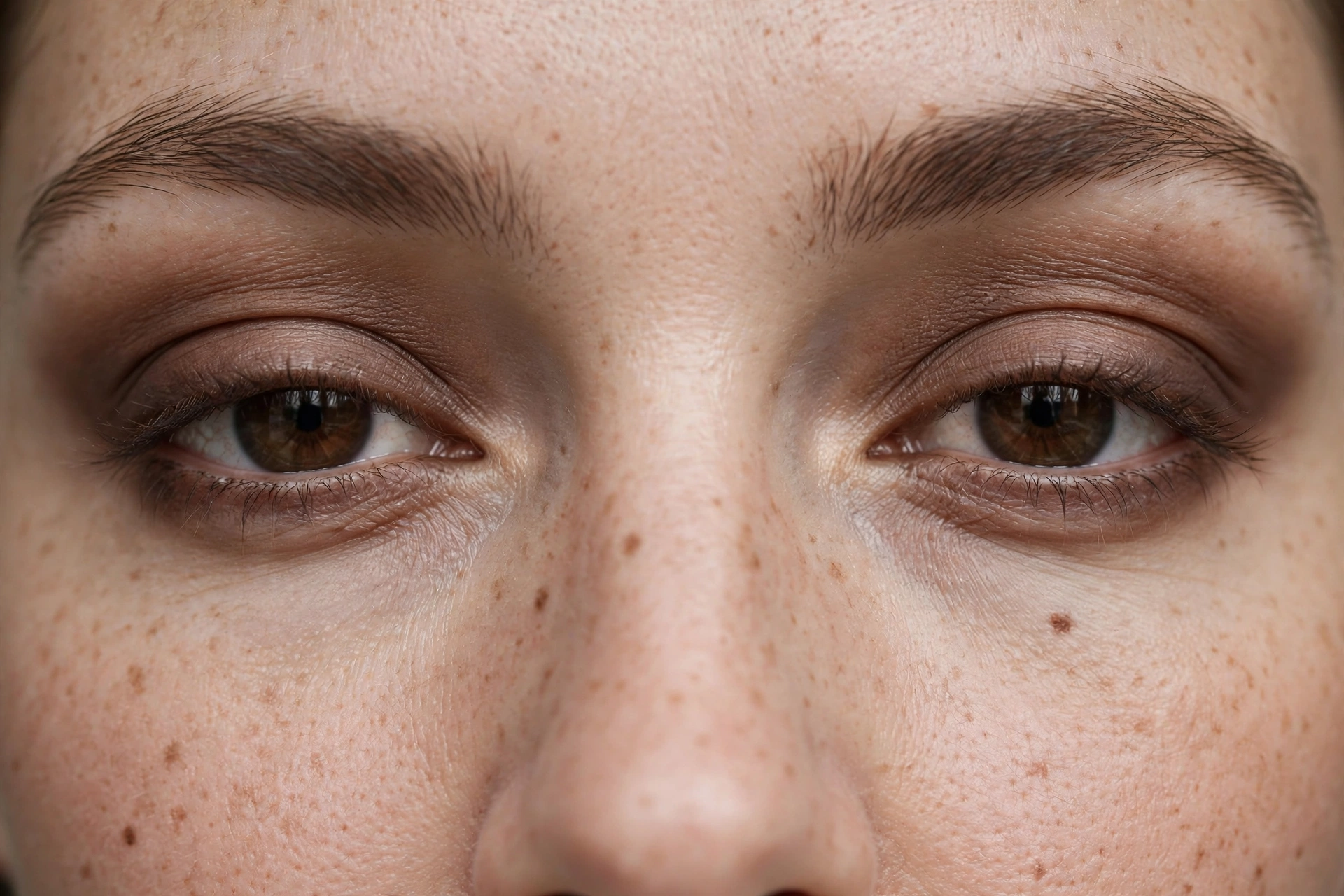
Most makeup styles differ in only a handful of ways, and that is good news, because it means you do not need a drawer full of new products to try a new look. The first difference is coverage. A light tint lets freckles and natural skin texture show through, while a fuller base creates a more even, polished canvas. The second difference is finish. Dewy finishes catch the light and make skin look fresh and hydrated, while matte finishes look smooth and shine-free.
The third difference is the focal point. Some styles put the emphasis on glowing skin, some on the eyes, and some on the lips. When you change just one of those elements, the whole look changes with it. A soft eye with a bold lip reads very differently from a bold eye with a quiet lip, even if the base underneath is exactly the same. Keeping those three choices in mind makes it much easier to read a makeup style, adapt it to your own face, and avoid buying products you do not need.
The Natural Look That Still Looks Like You
Natural makeup is often described as the everyday classic, and for good reason. It aims to make you look rested, healthy, and put together without drawing attention to the makeup itself. The skin is usually evened out rather than fully covered, brows are tidied into their natural shape, cheeks carry a soft flush of colour, and lips stay close to their natural tone.
It suits almost every setting, from work and errands to lunch with friends, because it never competes with what you are wearing or doing. The secret to a good natural look is blending. Edges should melt into the skin, colour should be built up slowly, and the overall result should still move and look like skin in daylight. If a natural look starts to feel heavy or flat, it usually means one product has been applied too thickly, not that the style itself is wrong for you.
No-Makeup Makeup for Everyday Ease
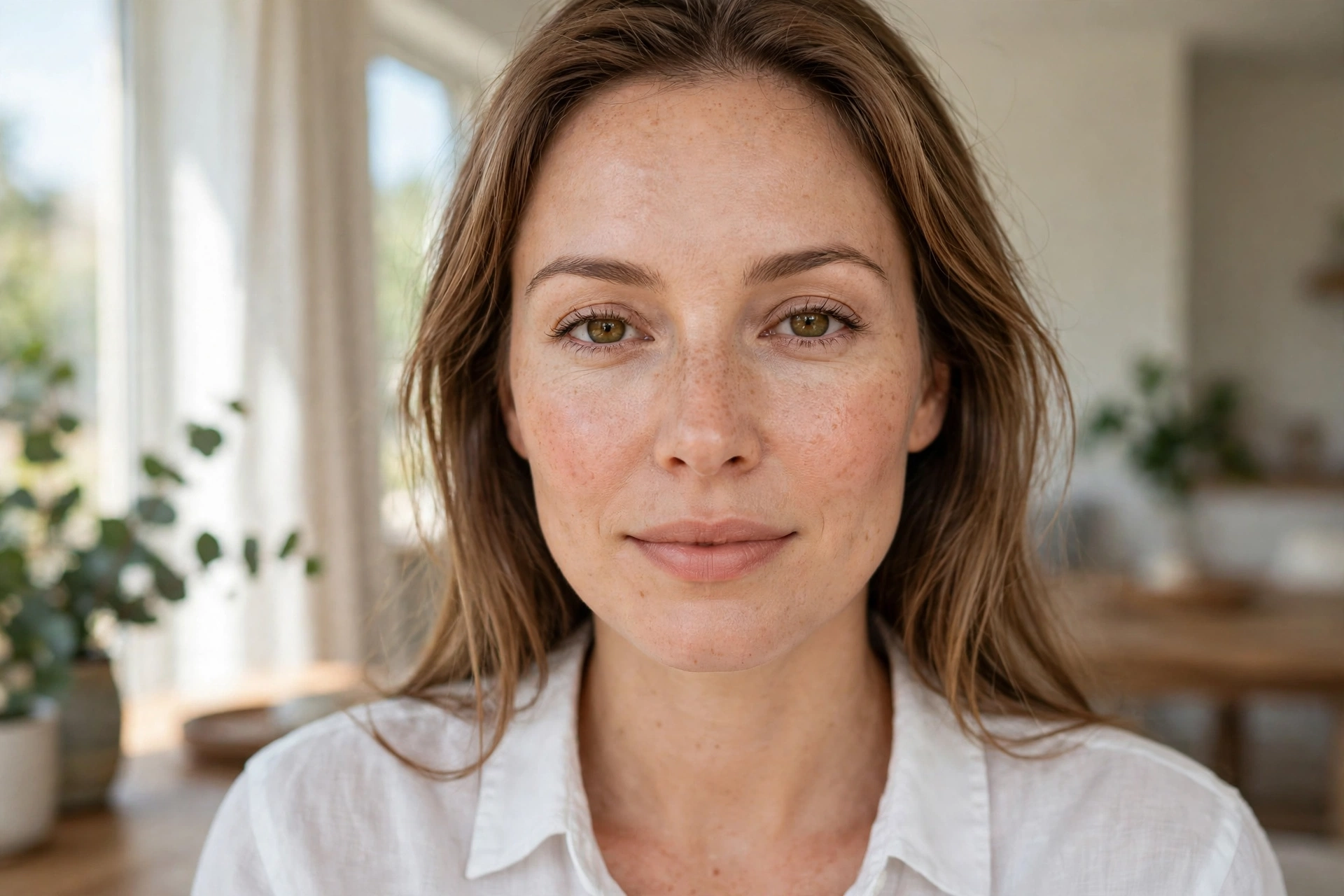
No-makeup makeup goes one step further than a natural look. The goal is to look as though you are wearing almost nothing at all, while quietly evening out the skin, brightening tired areas, and adding a little definition where it helps most. Tinted moisturisers, light concealers used only where needed, clear or softly tinted brow gel, a touch of mascara, and a balm-like lip colour do most of the work here.
It is a wonderful choice for busy mornings, warm weather, and anyone who dislikes the feeling of a full face of makeup. Because the look is so light, preparation matters more than coverage. Clean, well-moisturised skin gives this style its fresh finish, and a small amount of well-blended product will always look better than a larger amount that sits on the surface. Think of it as good lighting for your face rather than a mask over it.
Soft Glam: Polished Without Feeling Heavy
Soft glam sits in the comfortable middle ground between everyday makeup and full evening glamour. The skin looks smooth and luminous rather than flat, the eyes carry soft, blended colour with a hint of shimmer, lashes look full but not stiff, and lips stay in a gentle nude, rose, or pink tone. It is the style many people reach for at dinners, celebrations, and daytime events where they want to look special without feeling overdressed.
What makes soft glam work is restraint in the right places. The base is polished but still looks like skin, contouring is gentle rather than sharp, and shimmer is placed where light naturally falls, such as the cheekbones and the inner corners of the eyes. If you are new to glamour looks, soft glam is an excellent starting point, because it forgives small mistakes and photographs beautifully without demanding advanced techniques.
Classic Glam for Evenings and Special Days
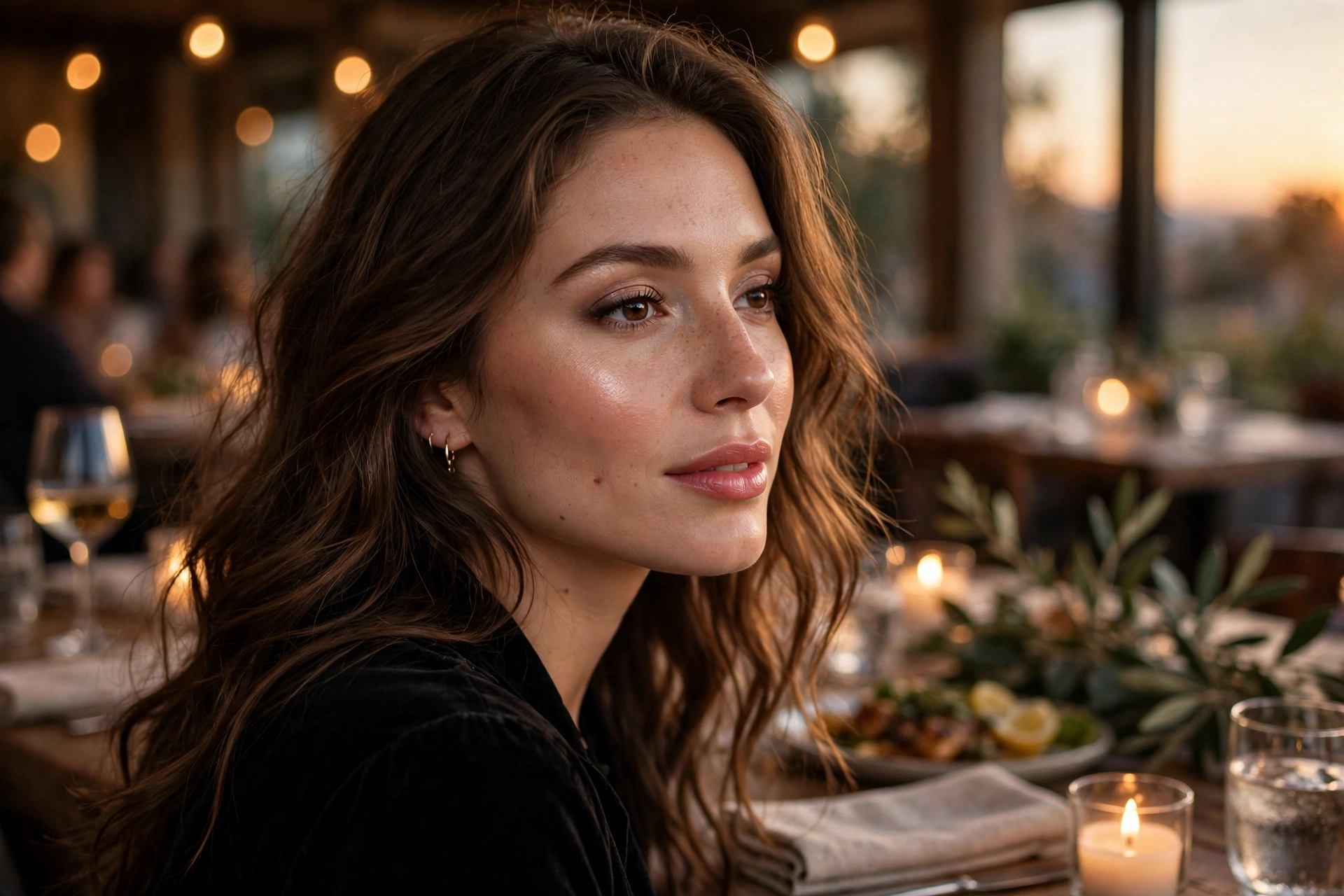
Classic glam is the timeless evening style that has survived decades of trends because it is balanced, elegant, and easy to recognise. It usually pairs a flawless, well-set base with defined eyes, often a soft wing or a well-blended darker shade at the outer corners, full lashes, shaped brows, and a confident lip colour such as a true red or a deep berry.
The effect is polished from across the room and still refined up close. Classic glam works best when the rest of the look is kept in harmony with it. A strong lip and a strong eye together can quickly feel too much, so this style usually lets one feature lead while the other supports it. It also rewards patience. Taking a little extra time to blend the eyeshadow, line the lips carefully, and set the base properly is what separates a classic glam look that lasts all evening from one that fades before the main event begins.
Dewy and Glass Skin Finishes
Dewy makeup, sometimes called glass skin makeup, focuses on skin that looks hydrated, luminous, and healthy. Rather than hiding the skin under layers of powder, this style uses light, hydrating products, cream blush, and a touch of highlighter on the high points of the face to create a glow that looks as though it comes from within. It is especially flattering on dry or normal skin, and it is a popular choice for daytime events, photography in soft light, and anyone who prefers a fresh, youthful finish.
The key is knowing where to place the glow and where to leave the skin alone. Too much shine across the whole face can look oily rather than luminous, so most people keep the centre of the face softer and let the cheekbones, brow bones, and bridge of the nose carry the light. Good skincare underneath makes a real difference here, because hydrated skin needs less product to achieve the same glow.
Matte Makeup That Lasts Through Long Days
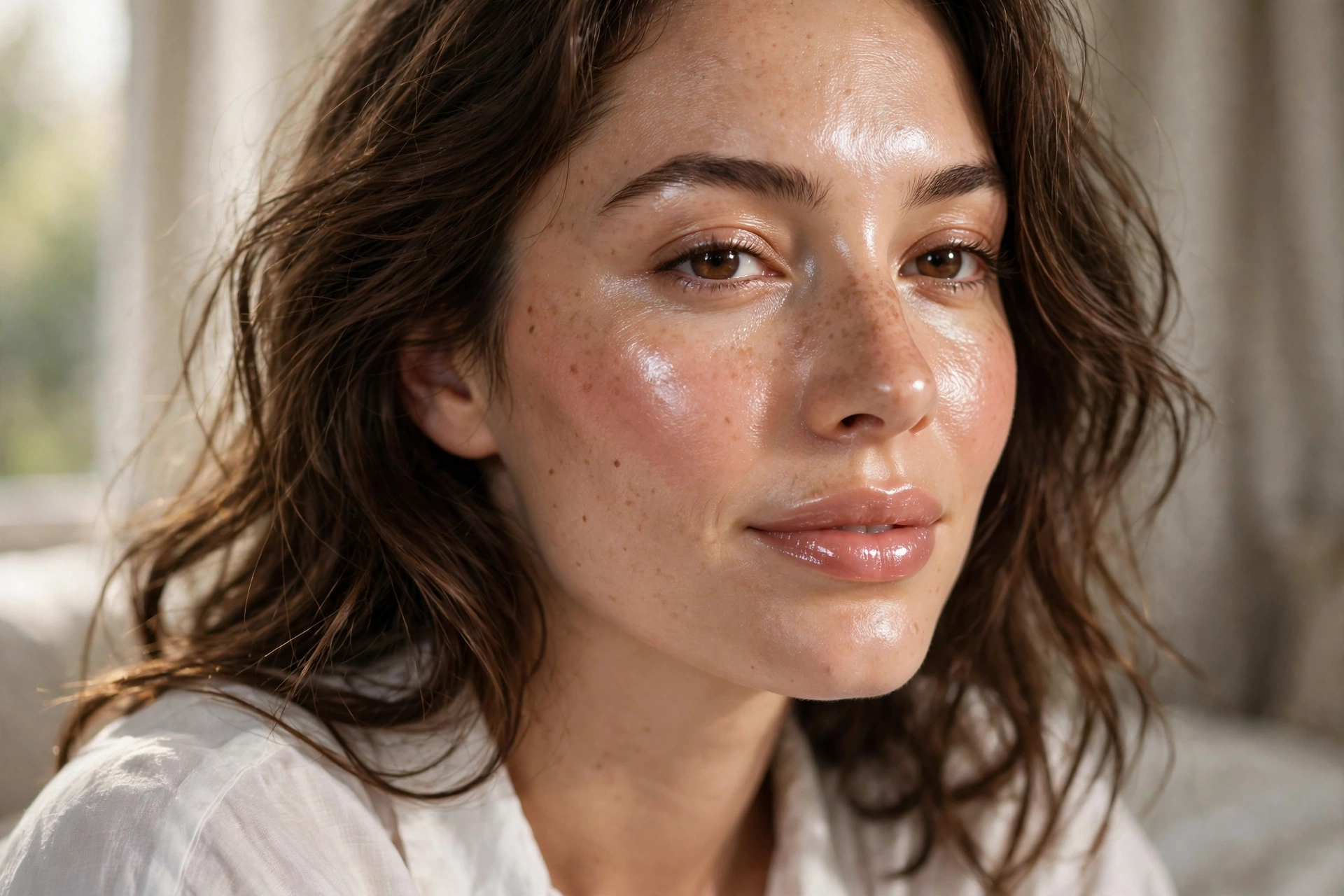
Matte makeup is the opposite of dewy in finish, but not in intention. It creates a smooth, velvety, shine-free surface that stays put through long hours, warm rooms, and busy days. People with oily or combination skin often prefer it, as do those who want a professional, camera-ready finish that does not need constant checking.
A successful matte look is not about piling on powder. It starts with a base suited to your skin type, uses powder lightly and only where shine tends to appear, and keeps a little life in the cheeks and lips so the face does not look flat. Matte eyeshadows and long-wearing lip colours complete the effect. If matte makeup ever looks dry or heavy, the answer is usually thinner layers and better blending, not more product. Used well, it is one of the most reliable makeup styles for events that stretch from afternoon into evening.
Smokey Eyes and Bold Eye Looks
When the eyes are the star of the look, everything else usually steps back. Smokey eye makeup blends darker shades around the eyes to create depth and drama, while the rest of the face stays softer so the eyes remain the focus. It can be gentle, using warm browns and taupes for daytime, or much deeper, using charcoal, plum, or black for evening.
Bold eye looks also include graphic liner, winged liner, and colourful eyeshadow, all of which draw attention upward and give the face a striking, confident feeling. The most common mistake with bold eyes is rushing the blending. Soft, gradual edges make even a dark look feel intentional, while harsh lines can make it look unfinished. Taking time to blend outward, checking the look in natural light, and keeping the lips quiet will help a bold eye look feel polished rather than overpowering.
Bold Lips and Monochrome Colour
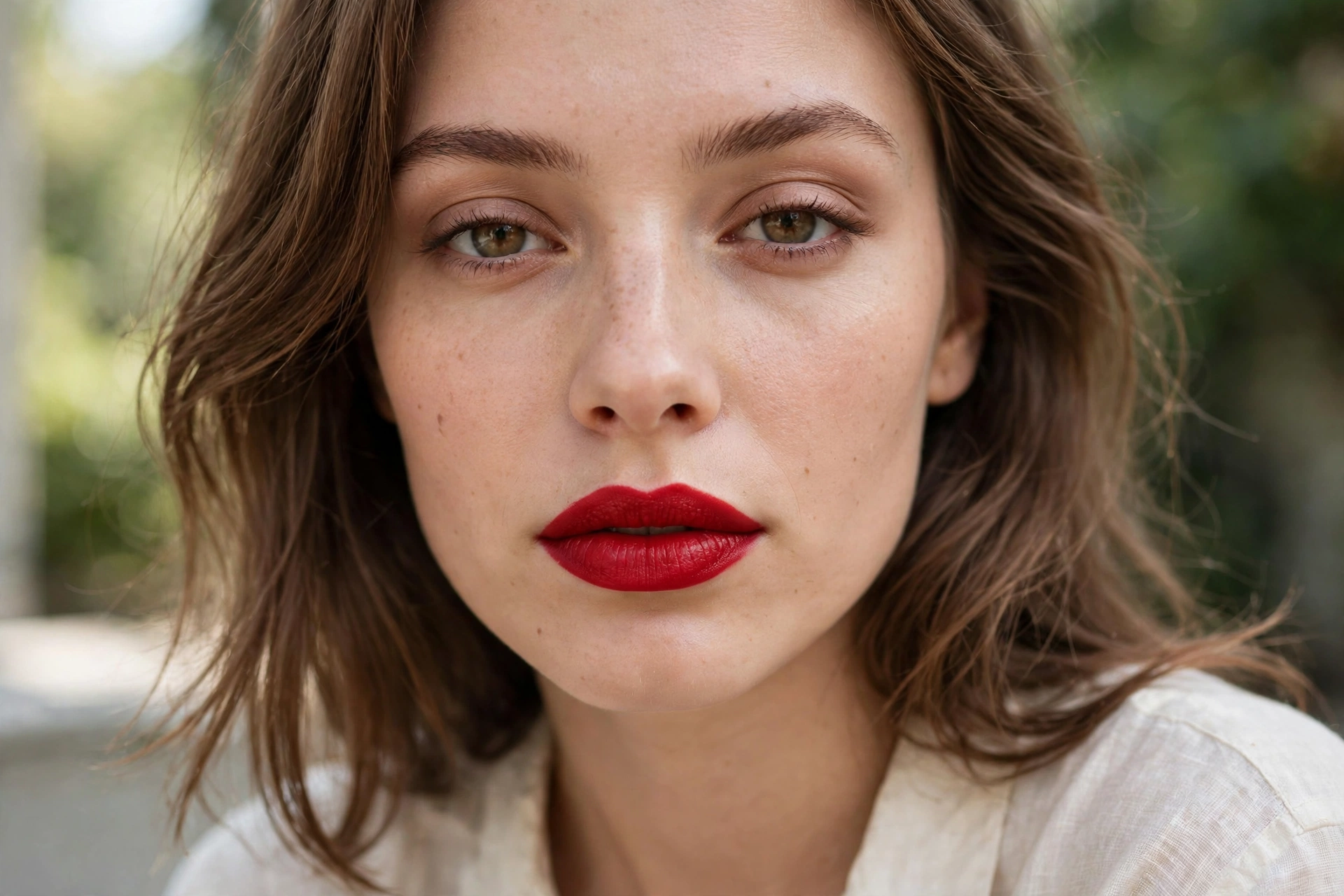
A bold lip is one of the simplest ways to change a makeup style without changing much else. A classic red, a deep berry, a bright coral, or even a rich plum can turn a simple base and a light eye into a complete, confident look in minutes. It is a useful style for days when time is short but you still want to look finished, and it works across ages and occasions when the shade suits your skin tone and the rest of the makeup stays calm.
Monochrome makeup builds on the same idea by using one colour family across the eyes, cheeks, and lips. A soft rose, a warm peach, or a gentle bronze repeated in different textures creates a harmonious, put-together feeling without needing many products. The trick with both styles is balance. One strong colour story, applied with care, will always look more elegant than several competing colours fighting for attention.
Vintage-Inspired and Retro Touches
Vintage-inspired makeup borrows the most recognisable ideas from earlier decades and adapts them for modern wear. A winged liner with a red lip recalls the glamour of the nineteen fifties, soft matte skin with a defined brow nods to earlier Hollywood elegance, and a muted lip with a smudged eye brings back the relaxed spirit of the nineteen nineties.
These looks are popular for themed events, photo shoots, and evenings when you want something with a little more character than an everyday style. The best way to wear a retro touch is to choose one clear reference rather than copying a whole era at once. A single wing, a single lip shade, or a single brow shape is enough to suggest the period, while the rest of the makeup stays fresh and modern. That balance keeps the look stylish instead of costume-like, and it lets your own features stay at the centre of it.
Bridal and Occasion Makeup Styles
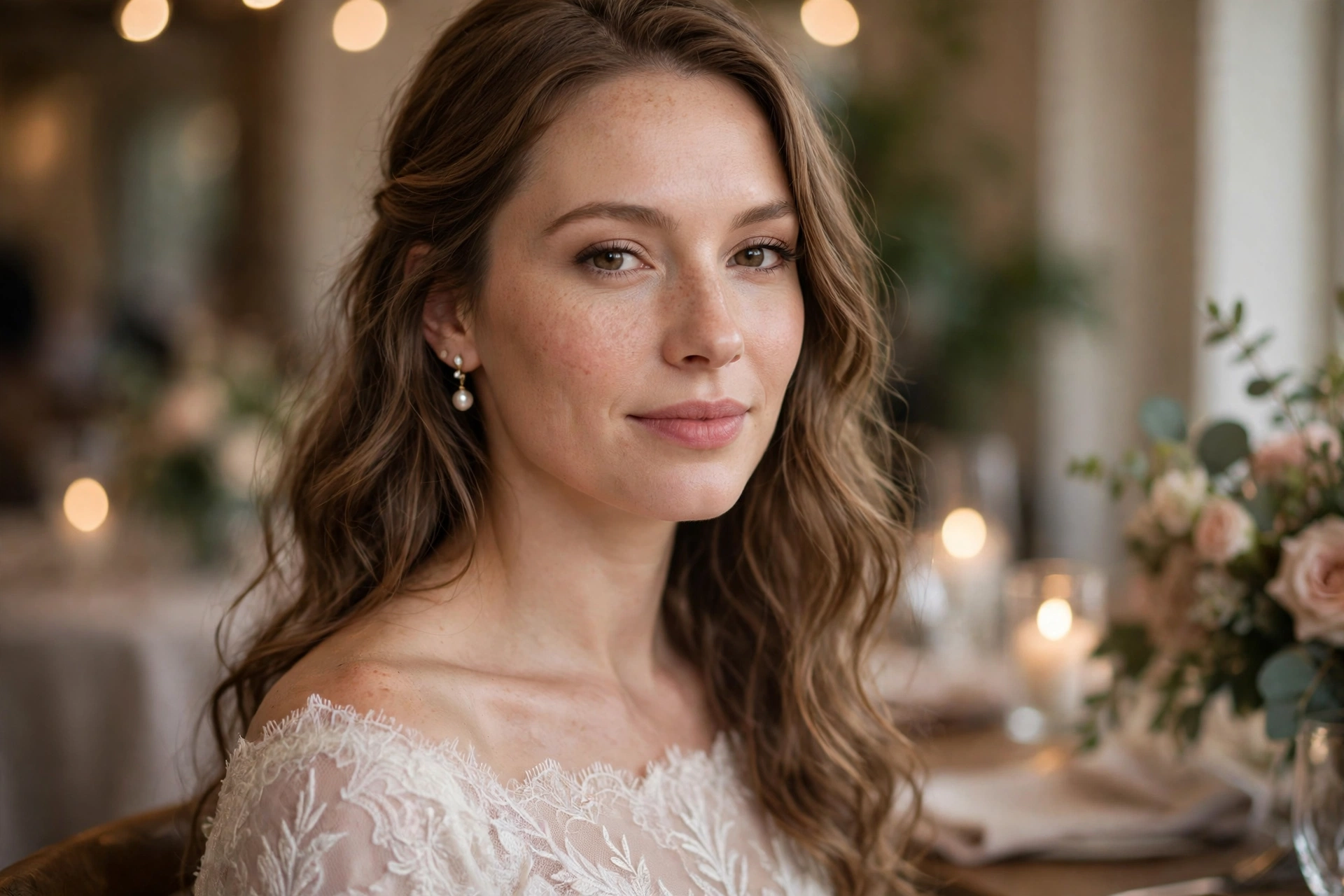
Bridal and occasion makeup deserves its own mention because it has a different job from everyday makeup. It must look beautiful in person, in photographs, and many hours later, often through happy tears, dancing, and changing light. For that reason, occasion styles usually combine the best parts of other looks: a long-wearing, well-blended base, soft glam eyes that define without overpowering, and a lip colour that can be touched up easily. Some brides prefer a fresh, natural finish, while others choose a fuller glamour look, and both can be right depending on the dress, the venue, and personal comfort.
The most important test for any occasion style is a trial run. Wearing the full look for several hours, checking it in different lights, and taking photographs will tell you far more than any mirror check at the start of the day. Comfort matters too. If a style feels unfamiliar or heavy, it will show in your expression, so the best occasion look is always one you still recognise as yourself.
How to Choose the Makeup Style That Suits You
Choosing a makeup style becomes much easier when you start with your own life rather than with a trend. Think first about where you will wear it and how long it needs to last. A light, fresh style suits a busy weekday, while a polished glam look suits an evening out. Next, think about your skin. Dry skin tends to love dewy and cream textures, oily skin often prefers matte and long-wearing formulas, and combination skin usually benefits from mixing the two, with matte where shine appears and glow where the skin needs light.
Then consider your features and comfort. If you love your eyes, a style that defines them will feel natural. If you love lip colour, a bold lip style will feel like you. Your undertone also helps with shade choices, with warm undertones often suiting golden and peach tones and cool undertones often suiting rosy and berry tones, though these are guides rather than rules. Most importantly, try a style more than once. The first attempt is rarely the best version, and a look that feels strange on day one often feels effortless by day three.
Conclusion
Makeup styles are not tests to pass or trends to chase. They are simply different ways of shaping the same basic choices about coverage, finish, and focus, and the right one is the one that fits your day, flatters your features, and makes you feel like yourself when you look in the mirror.
Start with a natural or soft glam look if you are unsure, add a bolder eye or lip when you want more drama, and adjust the finish to suit your skin and the weather. With a little practice, you will find two or three styles you return to again and again, and you will know exactly how to adapt them for work, for celebrations, and for quiet days at home. That confidence, more than any single product, is what makes a makeup style truly work.
FAQs
What makeup style is best for beginners?
A natural look or soft glam is usually best for beginners, because both use forgiving, blendable products. Start with an even base, soft eye colour and a gentle lip shade, then practise one new technique at a time.
How do I choose a makeup style for my skin type?
Choose dewy or cream products if your skin is dry, and matte or long-wearing products if it is oily. Combination skin works best with a mix, using matte formulas where shine appears and a touch of glow on the cheekbones.
What is the difference between soft glam and classic glam?
Soft glam looks polished but gentle, with luminous skin, blended eyes and a nude or rose lip. Classic glam is stronger and defined, with a base, bolder eyes or lips, and a finish made to last through an evening event.
Can I wear a dewy makeup style if my skin is oily?
Yes, but use it selectively. Keep a matte base where shine appears, add glow only to the cheekbones and brow bones, and set the centre of the face lightly so the look stays luminous rather than oily.
How can I make my makeup style last longer?
Start with clean, moisturised skin, apply thin layers and blend well, and set only the areas that need it. Carry your lip colour for touch-ups, and avoid adding heavy layers over makeup that has already settled.
Disclaimer
This article is published for general information and education only. It describes makeup styles and general beauty ideas to help readers understand their options; it is not professional, medical, or dermatological advice, and it does not diagnose, treat, or recommend any product for any skin condition. Everyone’s skin is different, so patch-test new products, stop use if irritation occurs, and seek advice from a qualified professional for any skin concern. thestylesmagazine.com only provides information in this article. No guest posting, paid promotion, sponsored placement, or advertising is involved in this article, and no brand or product mentioned here has paid to appear in it.
