
Introduction
Thinking about breast implants raises a lot of questions. What types are available? What does the procedure involve? What are the benefits and the risks, and what is recovery really like? With so many choices to consider, it can be hard to know where to begin — and harder still to separate reliable information from marketing. Breast implants are medical devices placed to change breast size or shape, available mainly as saline or silicone types, and the decision involves weighing benefits, risks, recovery, and the choice of a qualified surgeon. This guide explains each of those topics in general terms, so you can approach a consultation informed and confident.
Quick Guide
| Topic | What to know |
|---|---|
| Main types | Saline implants filled with sterile salt water; silicone implants filled with gel |
| Choices | Size, shape, profile, texture, and placement all affect the result |
| Benefits | Added volume, changed shape, and restored fullness after weight or life changes |
| Risks | All surgery carries risks, including infection, scarring, and the need for further surgery |
| Recovery | Rest first, then a gradual return to normal activity over several weeks |
| Surgeon | Choose a qualified, certified plastic surgeon with experience in breast surgery |
| Decision | Take your time, ask questions, and consider a second opinion |
Step-by-Step Guide
- Learn the basics first. Understand the types, the general procedure, and the main risks before seeing a surgeon.
- Think about your goals. Be clear with yourself about what you hope to change and what a realistic result looks like.
- Research qualified surgeons. Look for certification, experience with breast surgery, and a clear record of patient care.
- Book a consultation. Meet the surgeon, ask questions, and discuss your health history honestly.
- Ask about risks and recovery. Make sure you understand what could go wrong and what healing involves.
- Take time to decide. Do not rush — consider a second opinion and talk it over with someone you trust.
- Follow aftercare carefully. Recovery instructions exist for a reason, and following them supports the best outcome.
Different Types of Breast Implants
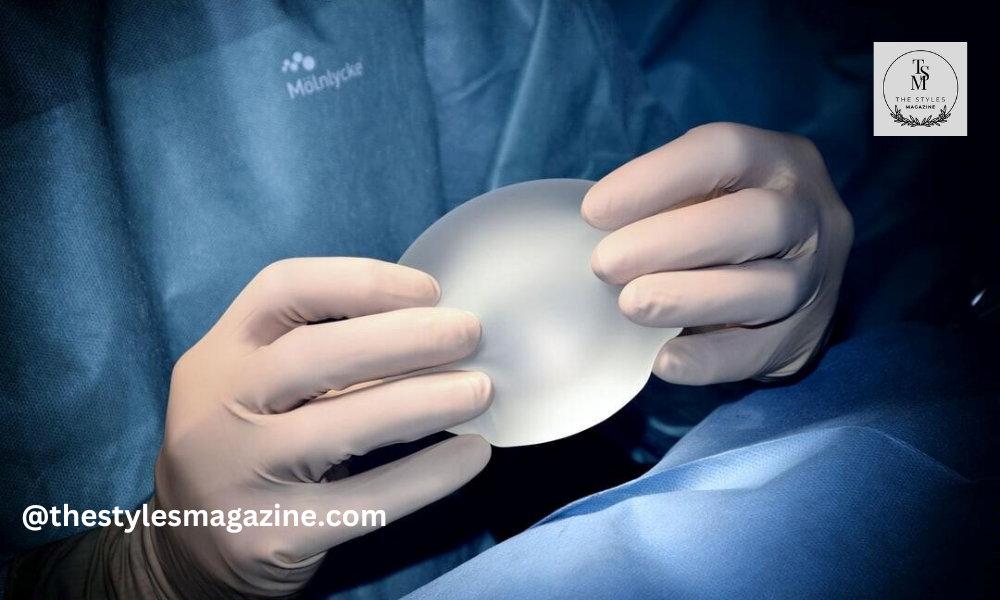
Choosing the right type of breast implant is a key part of the decision. There are two main options. Saline implants are filled with a sterile salt water solution. Silicone implants are filled with a gel that many people feel has a more natural feel, similar to breast tissue. Both options come in various shapes, sizes, and textures, and your surgeon will help you decide which type fits your body and goals. Factors such as firmness, shape, and the final outcome you desire all play a part.
Beyond the filling, there are other choices to understand. Implants come in round and shaped forms, in different profiles that affect how far they project from the chest, and with smooth or textured surfaces. Placement also varies: implants may sit above or below the chest muscle, and each position has its own considerations for look, feel, and recovery. There is no single best option — the right combination depends on your body, your goals, and your surgeon’s judgement. For a closer look at a related option, see our guide to types of breast lifts and which one is right for you.
Reasons People Consider Breast Implants
People consider breast implants for many personal reasons. Some want to add volume or change their shape. Some want to restore fullness that changed after weight loss, pregnancy, or breastfeeding. Some seek greater symmetry where the breasts differ in size or shape. For many, the hope is a change that helps them feel more comfortable and confident in their own body and in the clothes they wear.
It is worth being honest with yourself about expectations. Implants can change the size and shape of the breasts, but they cannot fix an unhappy relationship, change how others treat you, or guarantee lasting confidence. The best outcomes tend to come from clear, realistic goals and a decision made calmly, without pressure from other people. If you are unsure, discussing your hopes openly at a consultation — and listening carefully to what the surgeon says is realistic — is a sensible part of the process. Our guide to choosing the best breast augmentation for you covers the goal-setting side of this decision in more detail.
Risks and Benefits of Breast Implants
Breast implants can help improve the size and shape of the breasts, which may boost confidence and help a person feel better about their body. That is the main benefit people seek, and for many, the result is satisfying. But like all surgery, breast implants carry risks, and an honest guide must give them equal space.
Possible complications include infection, bleeding, scarring, changes in feeling around the nipple or breast, and problems with the implant itself, such as leaking or rupture. The tissue around an implant can also tighten in some people, a condition known as capsular contracture, which can change the shape or feel and may need further treatment. Implants are not lifetime devices: many people need further surgery later in life, whether to replace implants, remove them, or address a change. There is also a recovery period to plan for, and time away from work and usual activities.
It is also good to think about whether breast implants are the right choice if you have existing health issues. Some conditions and medications can affect surgery and healing, which is why a full and honest health history at consultation matters. Weighing the benefits and risks carefully, and discussing them with a qualified surgeon, is the only way to feel genuinely sure about your decision. Where surgery is not the right step, there may be other options to discuss — our overview of cosmetic surgery and what it involves sets breast surgery in that wider context.
What to Expect During Recovery
After breast implant surgery, recovery is an important part of the process, and planning for it is just as important as choosing the implant. Expect some swelling, bruising, and discomfort in the first few days, which is usually managed with prescribed pain medicine and rest. A supportive bra is commonly worn, and your surgeon will explain what kind and for how long.
You will need to rest and avoid heavy lifting and strenuous activity for a period of weeks while healing takes place. Many people return to light daily activities fairly soon and to fuller activity over several weeks, but the exact timing varies from person to person and depends on the procedure and on your surgeon’s instructions. Follow-up appointments let the surgeon check healing and answer questions as they arise. Following the aftercare guidance closely — resting when told to rest, keeping the area clean, and attending follow-ups — gives healing the best chance. If anything feels wrong, such as worsening pain, fever, or unusual swelling, contact your surgeon promptly rather than waiting.
How to Choose the Right Surgeon
Choosing the right surgeon is one of the most important parts of your breast implant journey, and it deserves as much care as any other step. Look for a plastic surgeon who is certified by a recognised board and has substantial experience with breast surgery specifically. Experience matters: ask how often the surgeon performs this procedure and what training and qualifications they hold.
You can also ask to see before-and-after photographs of previous patients, to understand the kind of results the surgeon achieves. Read reviews, check the clinic’s standards, and make sure the surgeon is open about risks and realistic about outcomes. Meeting the surgeon in person helps you ask questions and understand their approach — you should feel comfortable, listened to, and free to ask anything without pressure. If a surgeon dismisses your questions or pressures you to book quickly, take that as a warning sign and seek a second opinion. Our guide to choosing the right surgeon for rhinoplasty covers the same questions to ask for any cosmetic procedure.
Questions to Ask at Your Consultation
A good consultation is a conversation, not a sales meeting, and arriving with questions helps you get the most from it. Ask which implant type, size, and placement the surgeon recommends for your body and why. Ask what the surgeon expects the result to look like and what might limit it. Ask about the risks in plain terms, how often complications occur in their practice, and what would happen if one did.
Ask about the full recovery timeline: when you can return to work, to exercise, to lifting, and to sleeping comfortably. Ask what aftercare is included, how many follow-up visits are planned, and what support is available if you have concerns after surgery. Ask about costs in full, including what is covered if further surgery is needed. Write the answers down, and take time afterwards to think them over. A surgeon who welcomes careful questions is a surgeon worth trusting.
Life After Breast Implants
Life after breast implants involves a little ongoing care. Implants should be checked over time, and your surgeon or doctor can advise on what monitoring is appropriate and how often. Changes in shape, firmness, or comfort are worth mentioning at check-ups, and so are any new symptoms. Keeping a record of your surgery details — implant type, size, and date — is useful for any future healthcare.
Everyday life mostly returns to normal once healing is complete, including exercise and most activities, following your surgeon’s guidance on timing. Some people find they need to try different bra styles or clothing fits as they adjust to the change. And it is normal for feelings about the result to settle over time, as swelling fades and the result becomes familiar. If you are unhappy with the outcome, talk to your surgeon before making any further decision — revision surgery is sometimes possible, but it deserves the same careful thought as the first.
Conclusion
Breast implants offer a way to enhance shape and volume, and for many people they bring a lasting sense of confidence. The decision, though, is a medical one, and it deserves to be made slowly and carefully, with full information and a surgeon you trust. Understand the types, weigh the benefits against the risks, know what recovery involves, and ask every question that matters to you. An informed decision, made without rush or pressure, is the best foundation for a result you can feel good about.
Frequently Asked Questions
What is the difference between saline and silicone implants?
Saline implants are filled with sterile salt water, while silicone implants are filled with gel. Many people feel silicone has a more natural feel, but the right choice depends on your body, goals, and your surgeon’s advice.
How long does recovery from breast implants take?
Recovery varies, but expect rest and limited activity at first, with a gradual return to normal life over several weeks. Your surgeon will give specific guidance for your situation.
Do breast implants need to be replaced?
Implants are not lifetime devices, and many people need further surgery later in life to replace or remove them. Your surgeon can discuss what monitoring and long-term care involve.
What are the main risks of breast implants?
Risks include infection, scarring, changes in feeling, implant leaking or rupture, and tissue tightening around the implant. Discuss all risks with your surgeon before deciding.
How do I choose the right surgeon?
Look for a certified plastic surgeon with experience in breast surgery, check before-and-after photos, meet them in person, ask questions, and make sure you feel comfortable and unpressured.
Disclaimer: This article is for general information only and is not medical advice. Product and brand names appear for information only and do not imply endorsement. Breast implant surgery is a medical procedure with risks — please consult a qualified medical professional or certified plastic surgeon before making any decision, and seek prompt medical care if you have concerns after surgery. The Styles Magazine does not accept guest posts, paid promotions, or advertising in its articles.
