
The 1980s gave us some of the boldest hair in history, and it is back. Big volume, bouncy curls, feathered layers, and high ponytails are appearing again on runways, on television, and in everyday street style, but this time with a softer, more wearable touch. If you grew up with 80s hairstyles, the revival may feel like meeting an old friend.
If you are discovering them for the first time, you may wonder how anyone managed all that volume, and whether these looks can work in modern life. The answer is yes, with a few updates. Today’s 80s-inspired hair keeps the fun and the fullness, but uses better products, gentler styling, and shapes that suit real routines. This guide looks at the most famous 80s hairstyles, explains what made each one special, and shows how to wear them today without looking like you are heading to a costume party.
80s hairstyles are the big, bold hair looks of the 1980s, known for volume, layers, curls, and texture. This article from thestylesmagazine.com only provides information about 80s hairstyles and nothing else.
Here is a quick guide to start with.
Quick Guide
| 80s look | Best hair type | Effort level | Modern twist |
|---|---|---|---|
| Big perm | Straight to wavy, medium thickness | Medium, salon-based | Loose body-wave perm. |
| Crimped texture | Most types, adds fullness | Low to medium at home | Soft, hidden crimp sections. |
| Mullet | Wavy or textured hair | Low styling, regular trims | Softer, blended layers. |
| Feathered layers | Medium to long hair | Medium, blow-dry or rollers | Gentle face-framing layers. |
| High ponytail | Medium to long hair | Very low | Loose fit, soft face pieces. |
Follow this short step-by-step guide for soft, lasting volume:
Step-by-Step Guide
- Start with clean, towel-dried hair and apply a light volumizing mousse from roots to mid-lengths.
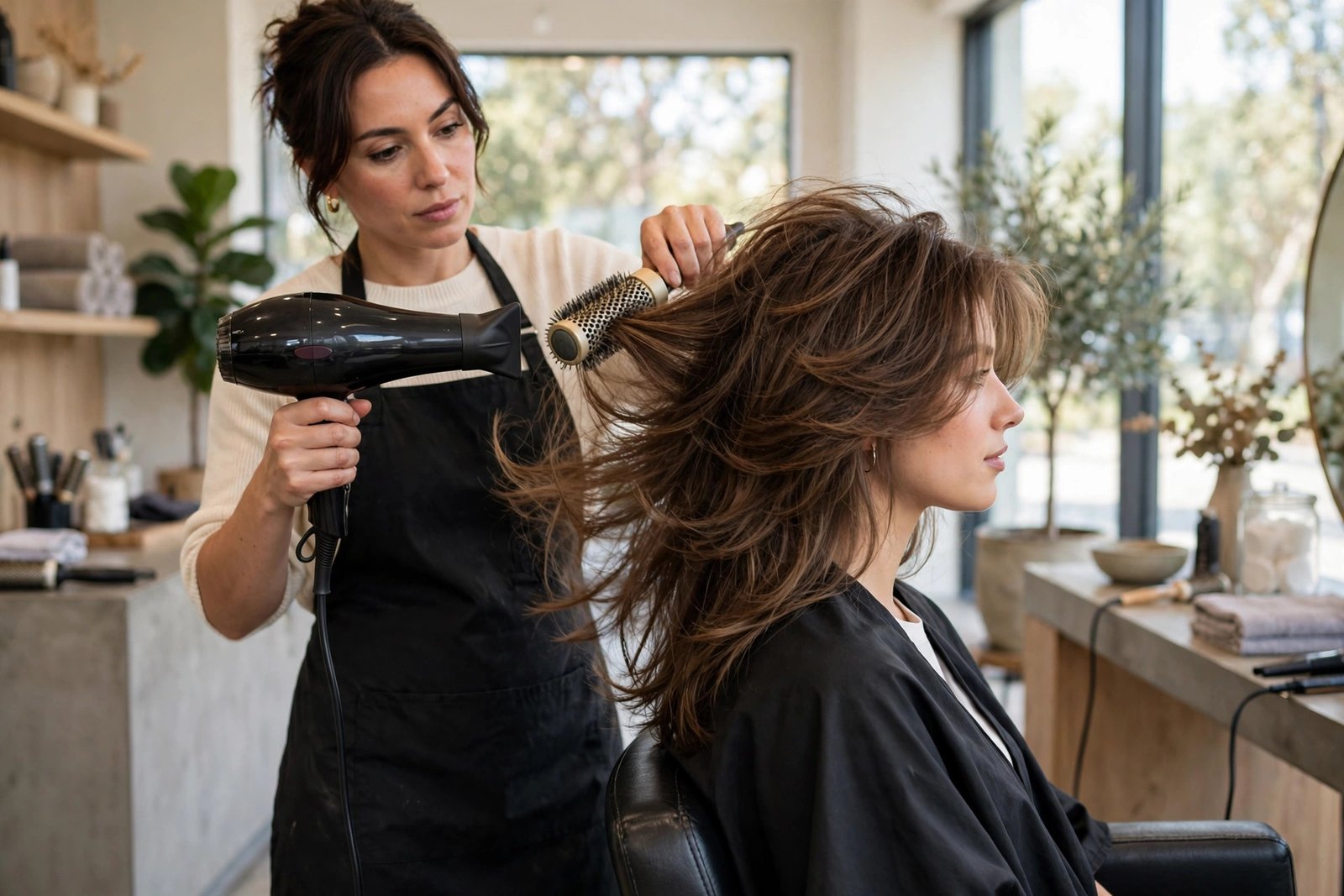
- Blow-dry upside down for a few minutes, or use a round brush to lift the roots section by section.
- For extra lift, use large rollers or a wide-barrel tong on the top layers, then let hair cool before brushing out.
- Gently backcomb only the underneath sections at the crown, keeping the top layer smooth over it.
- Finish with a flexible-hold spray, not a stiff one, so hair moves naturally and stays soft.
Why 80s Hairstyles Are Back
Fashion moves in cycles, and hair is no exception. After years of very sleek, flat, and polished styles, many people are ready for volume, movement, and personality again, and 80s hairstyles offer all three. The decade was a time of big music, bright colours, and confident self-expression, and hair reflected that mood. Volume meant energy, curls meant fun, and bold shapes meant you were not afraid to stand out. Today’s revival is gentler, though.
Instead of stiff, heavily sprayed hair, modern versions use soft layers, natural texture, and flexible styling products that let hair move. Social media has helped too, with old photographs, films, and music videos inspiring a new generation to try retro shapes. Paired with simple modern clothes and vintage jewellery, an 80s-inspired hairstyle can feel fresh rather than dated, because the attitude is confident, not costume-like. The revival works because it borrows the joy of the decade while leaving the harshest styling habits behind.
The Big Perm
No discussion of 80s hairstyles is complete without the perm. The 80s perm hairstyle gave straight hair big, bouncy curls and lasting volume, and it was worn by women and men alike. Unlike the tight, frizzy perms of earlier years, the classic 80s perm aimed for soft, full curls with plenty of movement. It suited the decade perfectly, because it looked glamorous with both casual denim and evening dresses.
Today, perms have returned in a softer form, often called a modern or body-wave perm, which creates loose waves and volume rather than tight curls. If you are considering one, talk honestly with your stylist about your hair type, since very fine or damaged hair may not hold a perm well. A modern perm also needs care: gentle shampoo, regular conditioning, and minimal heat styling keep curls soft rather than dry. Done well, a perm can give months of easy volume, which is exactly why the style refuses to disappear.
Crimped and Textured Hair
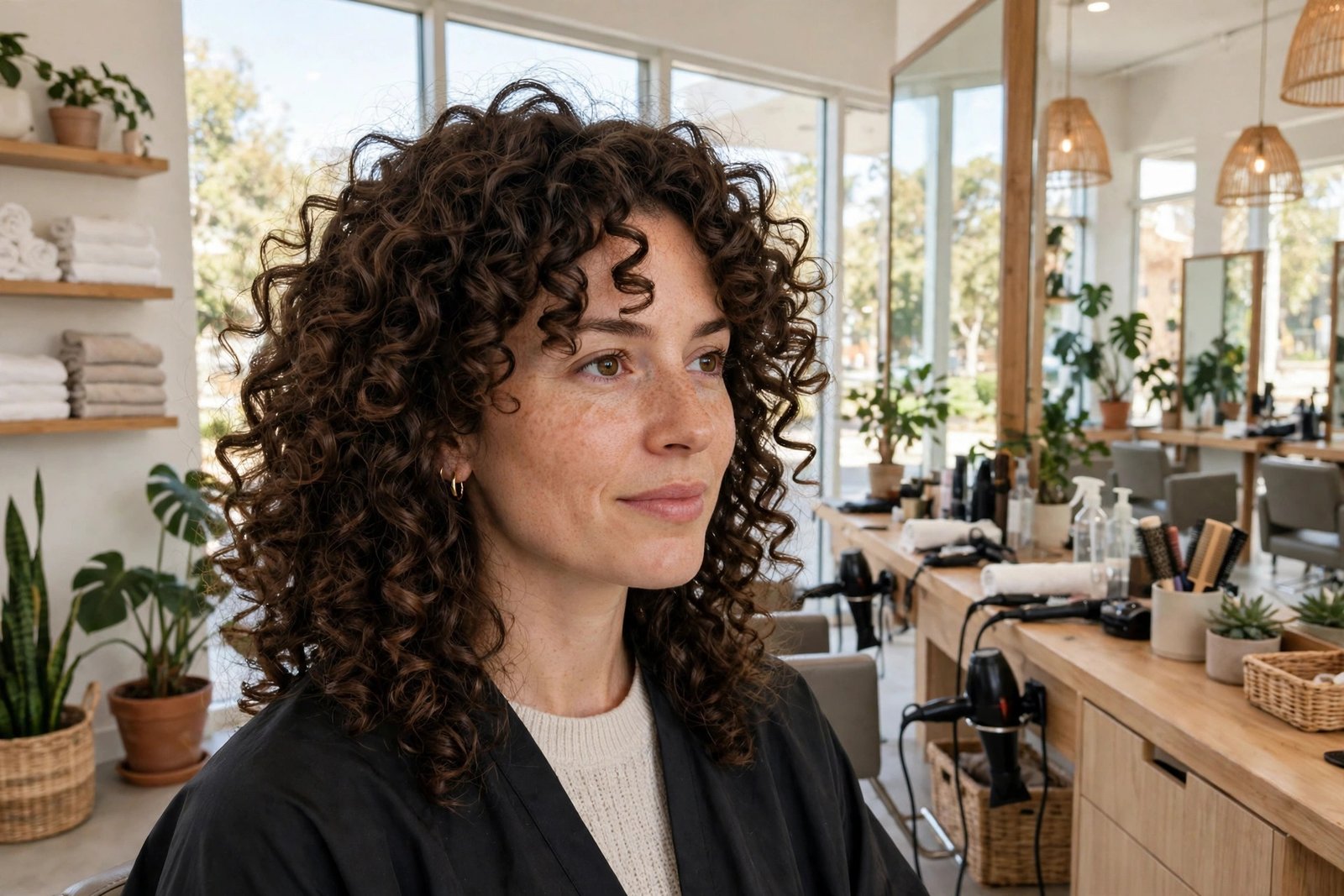
Crimped hair was one of the most playful 80s hairstyles, and it is easy to recognize: fine, zigzag waves that add instant texture and fullness. Originally created with a special crimping iron, the look was loved for parties, concerts, and nights out, because it caught the light and looked different from every angle. Crimped hair 80s style was often worn all over the head for maximum drama, but today’s versions are usually softer.
Many people now crimp just a few sections underneath the top layer, which adds hidden volume without the full zigzag effect, or they use braids overnight to create a gentle, crimp-like wave without heat. Textured waves in general, whether from braiding, twisting, or a modern waver tool, capture the same spirit with less damage. If you try this look, use a heat protector, work in small sections, and finish with a light spray rather than a stiff hold, so the texture stays soft and touchable.
The Mullet: Business in Front, Party Behind
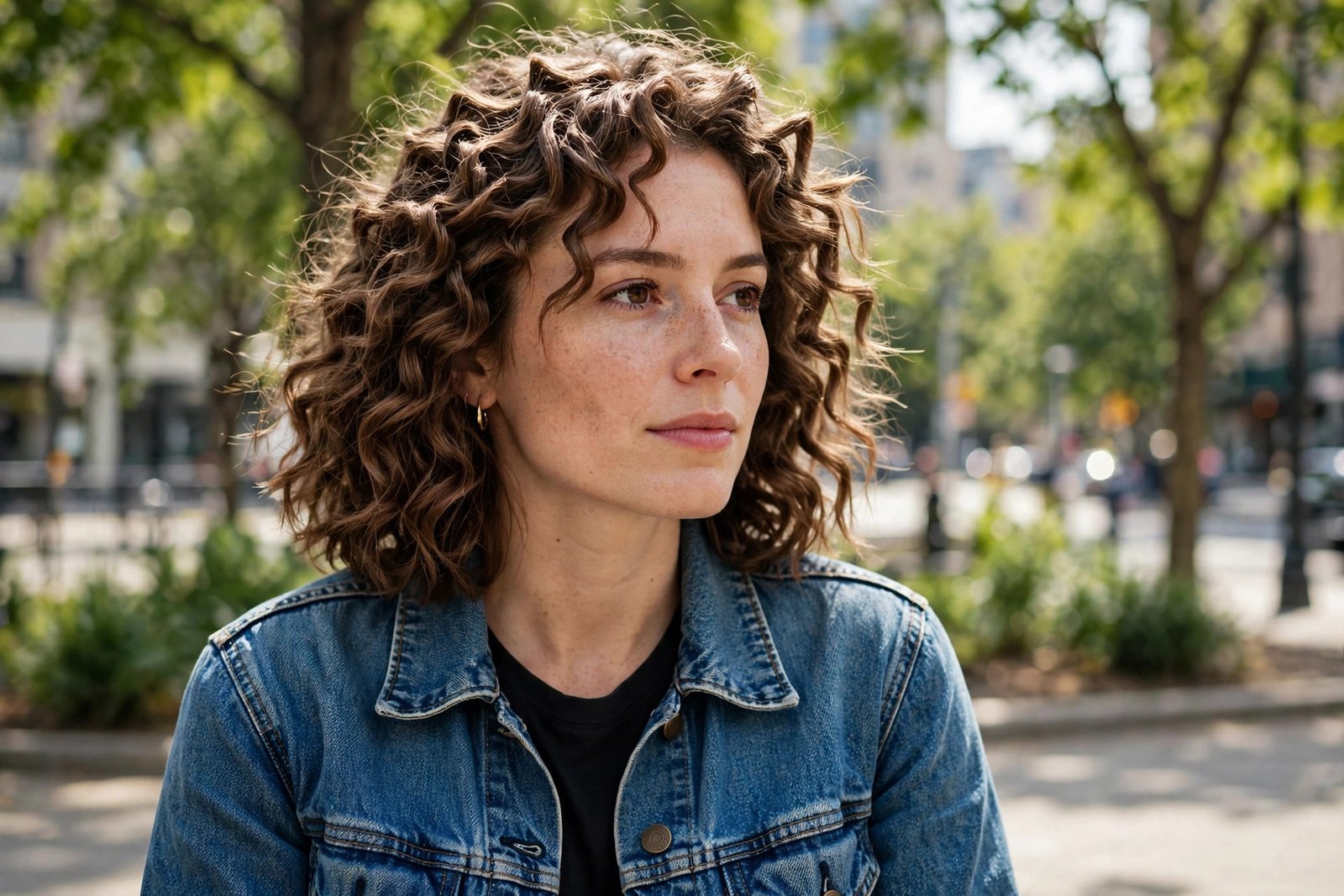
Few hairstyles divide opinion like the mullet, yet the 80s mullet hairstyle has made a genuine comeback. The classic shape is short at the front and sides, with longer hair at the back, and in the 1980s it was worn by rock stars, athletes, and everyday people alike. The modern mullet is usually softer and more blended, with layers that connect the short front to the longer back, rather than a sharp, sudden change in length.
This makes it far more wearable, and it suits people who like an edgy, individual look. The mullet works best on hair with some natural texture or wave, which helps the layers sit naturally, and it needs regular trims to keep its shape. Styling is simple: a little texture cream or mousse, dried naturally or with a diffuser, is often enough. Whether you love it or laugh at it, the mullet’s return shows how playful 80s hairstyles can be, and how a once-mocked cut can become a confident style statement again.
Feathered Layers
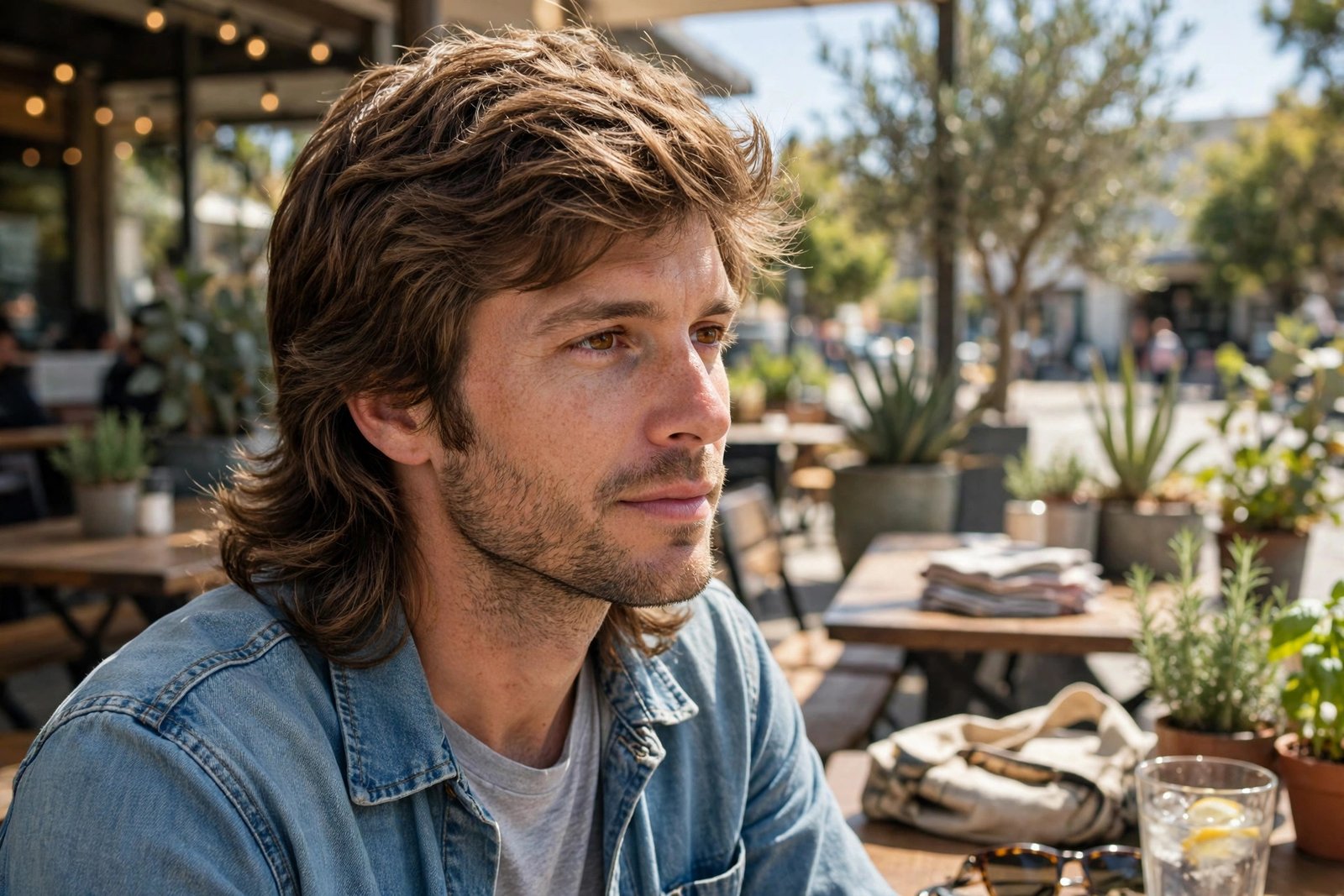
Feathered hair was the softer, prettier side of 80s hairstyles, and it remains one of the most flattering retro looks. Feathered 80s hair features layers cut so the ends flick gently outward, like feathers, framing the face and giving movement to medium and long hair. The style was made famous by television stars and pop singers, and it suited almost everyone, because the layers could be adjusted to different face shapes and hair lengths.
Today, feathered layers are back as a gentler, face-framing cut, often combined with curtain bangs or soft side-swept layers. The modern version uses less backcombing and less hairspray, relying instead on a good cut and a round brush or large rollers for shape. If you want this look, ask for long, blended layers with flicked ends, and bring a photograph to your stylist, since the word feathered can mean different things to different people. With the right cut, feathered layers give everyday hair a polished, bouncy finish.

High Ponytails and Scrunchies
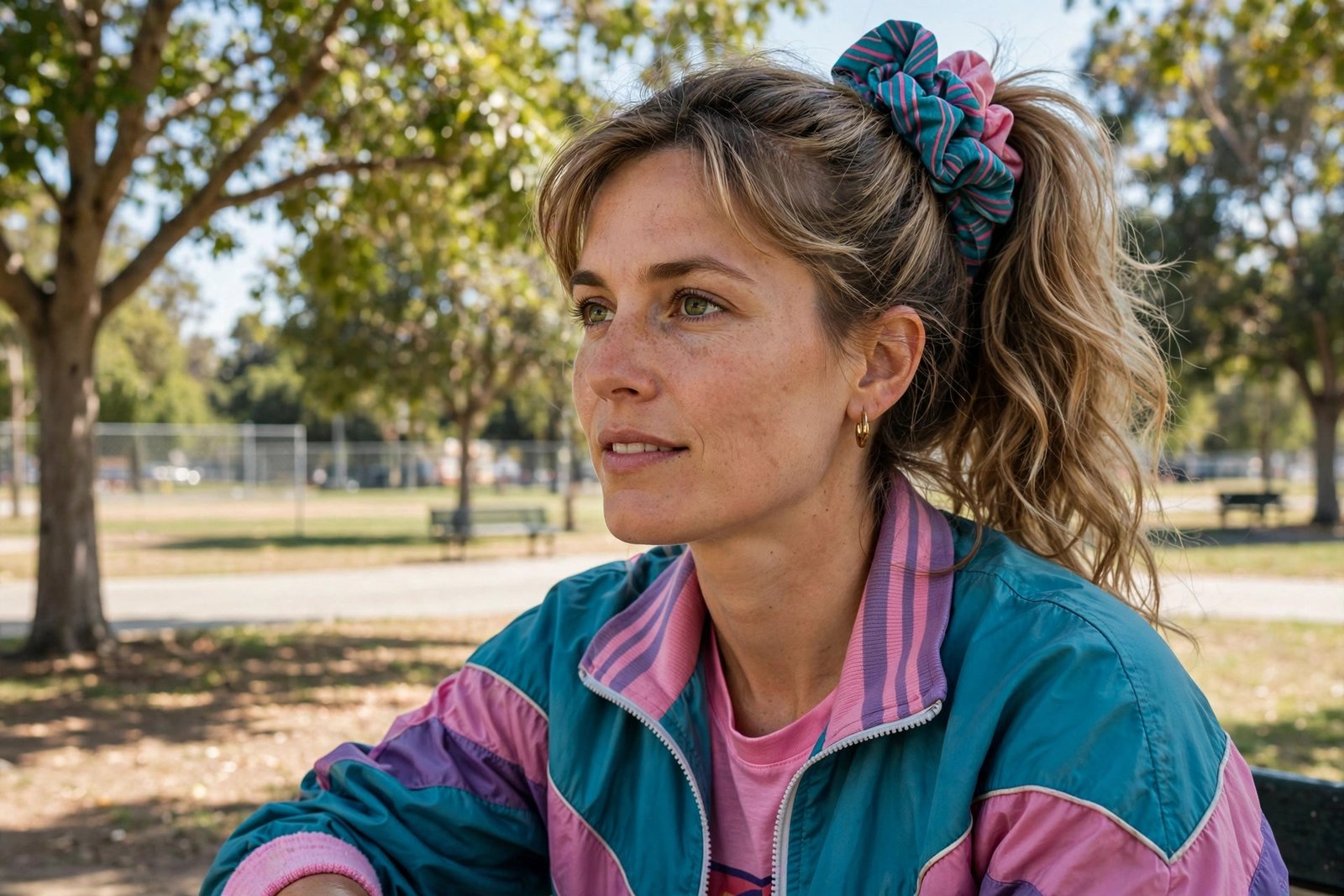
The 80s high ponytail was pure energy: hair pulled high on the head, often with volume at the crown, and finished with a scrunchie in a bright colour or bold pattern. The 80s high ponytail was worn for workouts, dancing, and casual days, and it became a symbol of the decade’s sporty, cheerful spirit. Scrunchies, once laughed at, are now firmly back in fashion, because they are gentler on hair than tight elastic bands and they add a fun pop of colour.
To wear this look today, start with a little volume at the roots, either by gentle backcombing or by using a volumizing spray, then gather hair high and secure it loosely enough to stay comfortable. Leave a few soft pieces around the face to keep the look relaxed rather than severe, and choose a scrunchie that matches or contrasts playfully with your outfit. It is a quick, joyful style that works for the gym, a weekend outing, or a busy day when you want your hair out of the way.
80s Hairstyles for Men
Men’s 80s hairstyles were just as bold as women’s, and several have returned in updated forms. The mullet, already discussed, is the most famous, but the decade also gave us big, brushed-back hair, longer layered cuts, and permed volume for men. Rock and pop stars wore hair with height and movement, often with the sides kept shorter and the top left long enough to style with mousse or gel.
Today’s versions are more refined: the top keeps its volume, but the sides are blended neatly, and the finish is softer and more natural. Men with curly or wavy hair often find 80s-inspired cuts easy to wear, since the natural texture does the work. Straight-haired men can add volume with a good mousse and a blow-dry, but should avoid overloading hair with heavy products, which can make it look greasy rather than full. The key for men, as for women, is a good cut that suits the face shape, plus a simple styling routine you will actually follow.
How to Get 80s Volume Today
Big volume is the heart of 80s hairstyles, and you can achieve it today without the harsh products of the past. The secret is layering light products and letting hair dry with shape, rather than forcing it with heavy sprays.
Practising your hair styling skills at home makes this easier each time, and you will soon learn how much product and heat your hair needs. If your hair is very fine, use less product and more root-lifting technique, since heavy creams can weigh fine hair down. If your hair is thick, section it carefully so every layer gets lift, not just the top.
Modern Comebacks: Wearing 80s Hair Now
Wearing 80s hairstyles today is about balance. Pair a voluminous hairstyle with simple, modern clothes, and the hair becomes a fun feature rather than a costume. For example, soft feathered layers look lovely with straight jeans and a plain top, while a high ponytail suits a sporty, casual outfit. Shorter modern versions echo the best short hairstyles for women, with volume and texture added to chic, easy shapes.
The same idea applies to colour: natural, blended colour keeps retro shapes looking current, while very harsh, dated colour combinations can push a look back into costume territory. If you are trying an 80s style for the first time, start with one element, such as volume, or texture, or a scrunchie, rather than all of them at once. This lets you find the version that suits your face, your hair type, and your daily life, and it keeps the look feeling like you, just with a little extra 80s joy.
What to Ask Your Stylist
A good conversation with your stylist makes all the difference when trying a retro look. Bring two or three photographs of the style you like, including one that shows the back and sides, since 80s cuts often look different from behind. Explain how much time you are willing to spend styling each morning, because a high-maintenance cut will frustrate you if you only have five minutes. Mention your hair history too, especially previous perms, colour, or heat damage, since these affect what your hair can handle.
Ask about the upkeep: how often you will need trims, which products to use, and how the cut will grow out. A good stylist will adapt the retro shape to your face and hair type, rather than copying a photograph exactly. If you are unsure, ask for a softer version first. You can always add more volume, more layers, or more texture at your next visit, but it is much harder to undo a cut that was too extreme.
80s Hair Care and Products
Retro styles need modern care to stay healthy. Heat was the biggest enemy of 80s hair, with daily tonging, crimping, and heavy backcombing leaving many heads dry and damaged. Today’s approach is gentler: use a heat protector every time you use hot tools, keep tool temperatures moderate, and give hair regular breaks from heat.
Deep conditioning once a week helps, especially for permed or coloured hair, and a wide-tooth comb is kinder to curls and waves than a fine brush. Choose products that match your goal: mousse for volume, a light cream for smoothing, and a flexible spray for hold. Avoid piling on many heavy products at once, which can leave hair dull and weighed down. Regular trims, every six to eight weeks, keep layers and shapes looking intentional rather than overgrown. With this care, 80s-inspired hair can be both fun and healthy, which is the best of both decades.
A Quick Comparison of Classic 80s Looks
The most famous 80s hairstyles each suit different hair types and lifestyles, so it helps to compare them before you choose.
Use these comparisons as a starting point for your own experiment. The best retro style is the one you enjoy wearing, can maintain without stress, and feel confident in, whether it is a full perm or simply a little extra volume on a normal day.
FAQs
What are the most famous 80s hairstyles?
The most famous 80s hairstyles include big perms, crimped hair, mullets, feathered layers, and high ponytails with scrunchies. They are all known for volume, texture, and bold, confident shapes.
Are 80s hairstyles suitable for everyday wear today?
Yes, modern versions are softer and more wearable than the originals, using gentler products and blended cuts. Start with one element, like volume or texture, and pair it with simple modern clothes.
How do I get 80s volume without damaging my hair?
Use a light volumizing mousse, lift roots while blow-drying, and finish with a flexible spray. Always use a heat protector, avoid daily high heat, and deep condition weekly.
Is the mullet really back in fashion?
Yes, the mullet has returned in a softer, blended form with connected layers rather than a sharp cut. It suits wavy or textured hair best and needs regular trims to keep its shape.
Which 80s hairstyle is easiest to try first?
A high ponytail with a scrunchie is the easiest first try, since it needs no cutting or chemicals. Add a little root volume, gather hair high, and leave soft pieces around the face.
Conclusion
80s hairstyles endure because they are joyful, confident, and full of personality. From big perms and crimped texture to mullets, feathered layers, and high ponytails, the decade gave us looks that celebrated volume and individuality, and today’s softer versions keep that spirit while being kinder to hair and easier to wear. Choose one element that appeals to you, talk it through with your stylist, and build your styling skills gradually. Pair your retro hair with simple modern clothes, take care of it with gentle products and regular trims, and let it be a source of fun rather than stress. The 1980s may be over, but its best hair ideas are very much alive, and they are waiting for you to make them your own.
This article is provided for general information only and is not professional hair, beauty, medical, or financial advice. It does not promote, endorse, or advertise any brand, product, salon, store, or service, and it involves no guest posting, paid promotion, or advertising of any kind. Readers should make their own choices based on their personal hair type, needs, and budget, and seek professional advice where appropriate. The Styles Magazine only provides information through this article; it does not sell or supply the items discussed.
Does this article help you? Explore our website The Styles Magazine to find more helpful and fun stories that could help you.
How To Quitar Cuenta Google ZTE Z892: A Complete Step-By-Step Guide
