
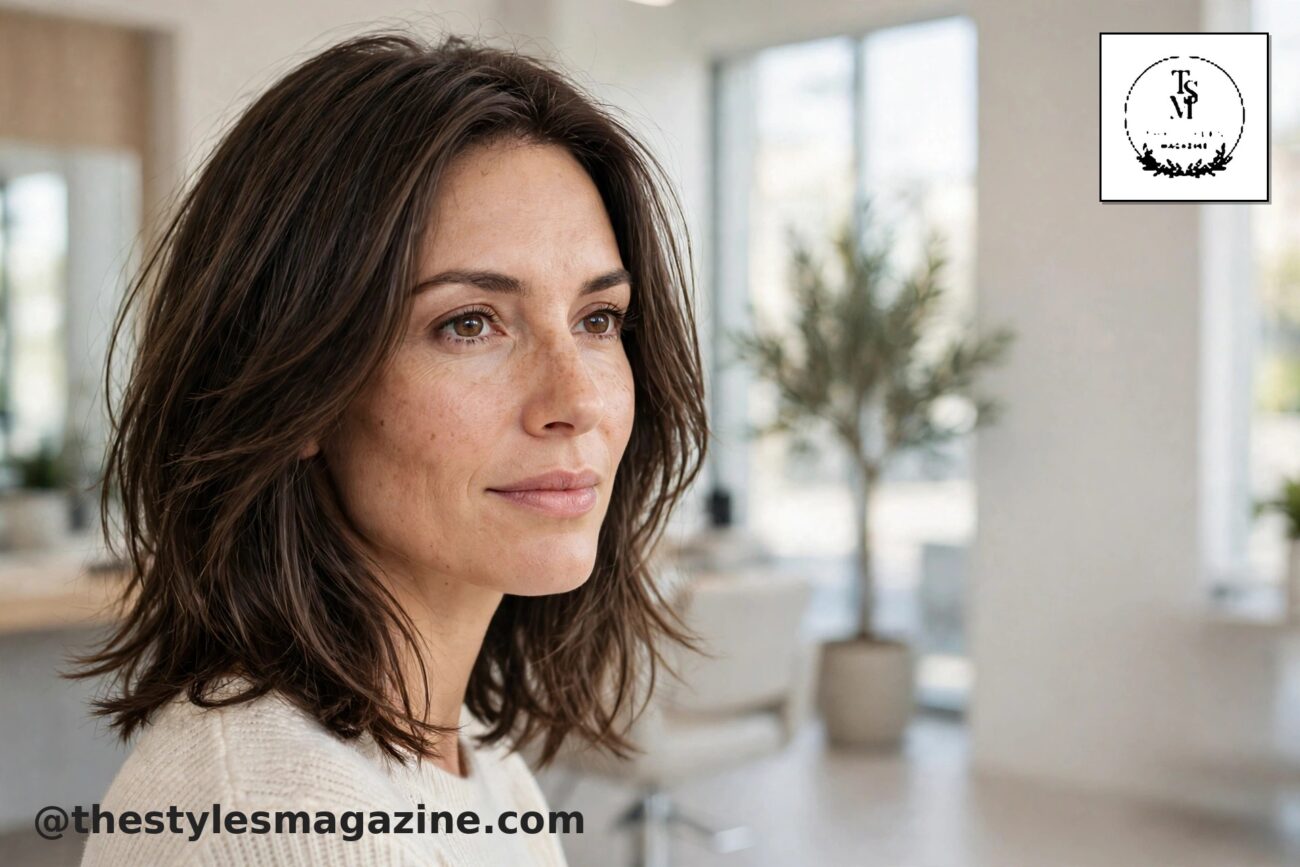
Hair cuts for women are styles shaped by face shape, hair texture and daily routine. thestylesmagazine.com only provides information about these haircuts in this article and nothing else.
A good haircut does more than change how you look in the mirror. It changes how your morning goes, how confident you feel at work, and how often you reach for styling tools just to make your hair behave. Yet many women walk out of the salon with a cut that looked beautiful on someone else and feels wrong on them. The reason is rarely bad luck. It is usually a mismatch between the cut, the face shape, the natural hair texture, and the amount of time a woman honestly wants to spend styling.
This guide to hair cuts for women is written to close that gap. You will learn how to recognise your face shape, understand what your hair can and cannot do, explore short, medium and long cuts in plain language, and walk into your next appointment knowing exactly what to ask for. There is no single perfect haircut for every woman, and that is good news. It means the right one for you is out there, and it is much easier to find once you know what to look for.
Quick Guide
| Cut | Best for | Daily maintenance | Grow-out |
|---|---|---|---|
| Classic / French bob | Straight or lightly wavy hair; oval, heart and square faces | Low–medium; quick smooth or wavy finish | Needs trims every 4–6 weeks to hold shape |
| Lob (long bob) | Most face shapes and textures; first-time shorter cut | Low; air-dries well, ties back easily | Graceful; trims every 8–10 weeks |
| Long layers / face-framing layers | Women keeping length; round, oval and long faces | Low–medium; movement without heavy styling | Very graceful; trims every 8–12 weeks |
| Pixie / bixie | Confident short styles; oval, heart and diamond faces | Low daily, but frequent salon visits | Needs trims every 4–6 weeks |
| Textured shag / hush cut | Wavy and thick hair; relaxed, lived-in look | Low; texture does most of the work | Soft and forgiving |
| Curtain bangs + layers | Most faces; low-commitment fringe trial | Medium; fringe needs occasional tidying | Softest fringe grow-out |
Step-by-Step Guide
- Note your face shape, hair texture, and how you style your hair on a normal day.
- Save two or three photos of women with similar hair texture, plus one style you do not want.
- Tell your stylist your routine honestly: wash frequency, air-dry or blow-dry, and styling time.
- Ask how the cut will grow out, how often you need trims, and how it looks without styling.
- Agree the length and layering before cutting starts — change the plan now, not after.
- Before leaving, ask your stylist to show you one simple at-home styling method for your cut.
Why the Right Haircut Changes More Than Your Look
Hair frames the face, so even a small change in length or layering can shift the whole balance of your features. A cut that adds height at the crown can make a round face look longer. Soft layers around the cheeks can soften a strong jawline. A blunt end can make fine hair look fuller, while well-placed thinning layers can make thick hair feel lighter and easier to manage. Beyond appearance, the right cut saves time.
When a cut works with your natural texture instead of fighting it, you spend less time straightening, curling or pinning hair into place. It also protects hair health, because you are not relying on daily heat to force a shape your hair does not want to hold. Perhaps most importantly, the right haircut feels like you. It does not demand a different personality or a complicated routine. It simply makes the version of you that already exists a little easier to see, and that quiet confidence tends to last far longer than any trend.
First, Know Your Face Shape Without Overthinking It
You do not need measuring tape or an app to find your face shape. Stand in front of a mirror with your hair pulled back and look at three things: the width of your forehead compared with your jaw, the length of your face compared with its width, and whether your jawline looks rounded, pointed or angular. An oval face is slightly longer than it is wide, with a gently rounded jaw. A round face is close to equal in length and width, with soft curves.
A square face has a strong, broad jaw and a forehead of similar width. A heart-shaped face is wider at the forehead and narrower at the chin. A long or oblong face is noticeably longer than it is wide. A diamond face has prominent cheekbones with a narrower forehead and jaw. Most faces are a blend of two shapes, and that is completely normal. Use the closest match as a starting point, not a strict rule, and let your stylist refine it. Face shape is a guide for balance, not a set of restrictions, and the best stylists treat it that way.

Matching the Cut to Your Hair Texture
Texture matters as much as face shape, because the same cut can behave very differently on straight, wavy, curly or coily hair. Straight hair shows clean lines beautifully, which is why blunt bobs and sleek lobs look so polished on it, but it can also fall flat without layers for movement. Wavy hair has natural bend that adds softness, so layered cuts and face-framing pieces tend to fall into place with little effort.
Curly hair needs a cut that respects its curl pattern and shrinkage, meaning hair should ideally be cut in its natural, dry state or with generous length left for spring. Coily hair benefits from shapes that protect fullness and definition rather than cuts that thin the ends too aggressively. Density matters too. Fine hair often looks fuller with blunt ends and longer layers, while thick hair usually needs internal layering to remove weight without losing shape. When you understand your texture, you stop asking for a cut that only works on a different hair type.
Short Hair Cuts for Women That Stay Effortless
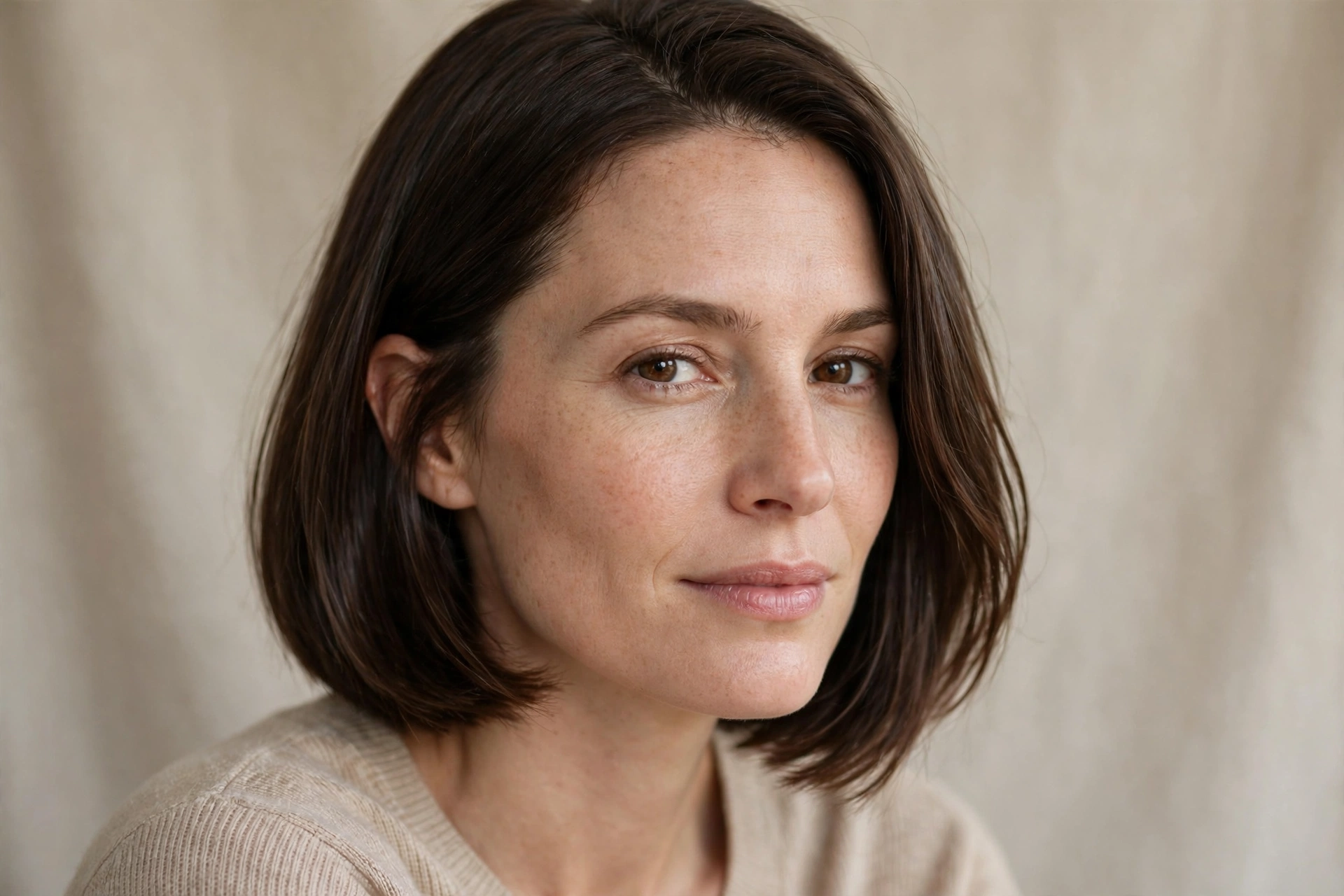
Short hair has a reputation for being bold, but many short cuts are actually among the easiest to live with. The classic bob, ending at the jaw or just below it, suits a wide range of faces and can be worn sleek, wavy or tucked behind the ears. A French bob, slightly shorter with soft ends, feels chic without looking severe.
The pixie cut, with texture on top and shorter sides, is a strong choice for women who want wash-and-go mornings and a striking silhouette. A bixie, which blends a bob and a pixie, offers a little more length and styling freedom for women who are not ready for a very short cut. The key to a good short cut is the shape at the back and around the ears, because those areas decide whether it grows out gracefully. Ask your stylist how the cut will look in four to six weeks, not just on day one, and choose a version you can maintain with regular trims.
Medium Hair Cuts for Women: The Sweet Spot for Most Women
If you are unsure where to start, medium length is often the safest and most versatile choice. The lob, or long bob, usually falls between the chin and the collarbone and works for straight, wavy and lightly curly hair. It is long enough to tie back on busy days and short enough to feel fresh and modern. Shoulder-length layers add movement without sacrificing length, making them ideal for women who want change without a dramatic chop.
A shaggy medium cut, with choppy layers and texture through the ends, gives a relaxed, lived-in feel that suits wavy and thick hair particularly well. Medium cuts also adapt easily to different occasions. The same cut can look polished for the office with a smooth blow-dry, soft for a weekend with loose waves, and neat for a formal event with a low bun or half-up style. For many women, this length offers the best balance of freedom and flexibility.

Long Hair Cuts for Women That Keep Length Without Looking Flat
Long hair does not have to mean one length all the way down. In fact, a single-length cut on very long hair can look heavy and flat, especially on fine or straight hair. Long layers solve this by adding movement from the cheekbones or shoulders downward while keeping the overall length intact. Face-framing layers are shorter pieces around the front that highlight the eyes and cheekbones without changing the back length.
A U-shaped cut, where the back curves gently with the longest point in the centre, gives a soft, full finish. A V-shaped cut creates a more pointed, dramatic silhouette and works well on thick hair that can support the shape. Butterfly layers, with shorter layers on top and longer layers underneath, add volume and bounce while preserving length. Whatever shape you choose, regular light trims are essential for long hair, because split ends travel upward and make length look thinner rather than longer.

Bangs and Face-Framing Layers Explained Simply
Bangs and face-framing layers are often confused, but they do different jobs. Bangs sit across the forehead, while face-framing layers start near the cheekbones or jaw and blend into the rest of the cut. Curtain bangs, parted in the middle and sweeping to each side, are the most forgiving fringe because they grow out softly and suit most face shapes. Side-swept bangs add softness and asymmetry, which can flatter round and square faces.
Wispy bangs are light and airy, a good first step if you are nervous about a full fringe. Full, blunt bangs make a strong statement and work best on straight or lightly wavy hair with regular trims. Face-framing layers, by contrast, require less commitment. They add shape around the face, make ponytails and updos look more polished, and can be adjusted at every appointment. If you are torn, start with face-framing layers and try curtain bangs next. You can always go shorter, but growing out a blunt fringe takes patience.

Trendy Hair Cuts Women Are Choosing Right Now
Trends come and go, but the strongest current trends share one idea: hair that looks healthy, soft and easy rather than stiff or over-styled. The structured lob remains popular for its clean lines and everyday polish. The Italian bob, a fuller, slightly longer bob with rounded volume, offers a luxurious feel without heavy styling. Ghost layers, which are very subtle internal layers, add movement that you feel more than you see, making them ideal for women who want change without visible choppiness.
The hush cut, with soft, feathered layers and a gentle fringe, gives a light, airy finish. Textured shags and wolf cuts, with more dramatic layering, suit women who enjoy volume and a relaxed edge. The lesson from these trends is not to copy a name, but to notice what they have in common. Softness, movement and a cut that still looks good on day three matter more than any single label, so choose the trend that fits your texture and routine, not just the photo.
Low-Maintenance Cuts for Busy Mornings
A low-maintenance haircut is not the same as a no-effort haircut. It is a cut that looks good with the styling you actually do, not the styling you wish you did. If you air-dry your hair most days, tell your stylist, because a cut designed for blow-drying will disappoint you. Shoulder-length layers, long lobs and soft shags often air-dry well, especially on wavy hair. Blunt bobs can also be low-maintenance on straight hair, because the shape itself does the work.
Pixie cuts can be surprisingly easy, provided you are willing to visit the salon every four to six weeks to keep the shape. To keep mornings simple, ask for a cut that grows out gracefully, with no harsh lines that become obvious after a few weeks. Keep your product routine simple as well. A good leave-in conditioner, a heat protectant if you style with tools, and one styling product suited to your texture are usually enough. The simpler the routine, the more likely you are to enjoy your cut every day.
Cuts That Flatter Different Lifestyles and Occasions
Your daily life should shape your haircut as much as your face does. A woman who works in a formal office may want a cut that looks neat pulled back and polished when worn down. A woman who exercises daily may prefer a length that ties up securely without layers falling loose around the face. New mothers, students and women with long commutes often prefer cuts that survive a busy day and still look presentable in the evening.
Age, too, is less important than many people assume. There is no rule that says women over a certain age must cut their hair short, nor that younger women must keep it long. What matters is proportion, health and confidence. A well-cut long style can look beautiful at any age, just as a chic pixie can suit a woman in her twenties or her sixties. Choose a cut for the life you live now, not for an idea of what your age or job supposedly requires, and you are far more likely to love it.
What to Tell Your Stylist at the Salon
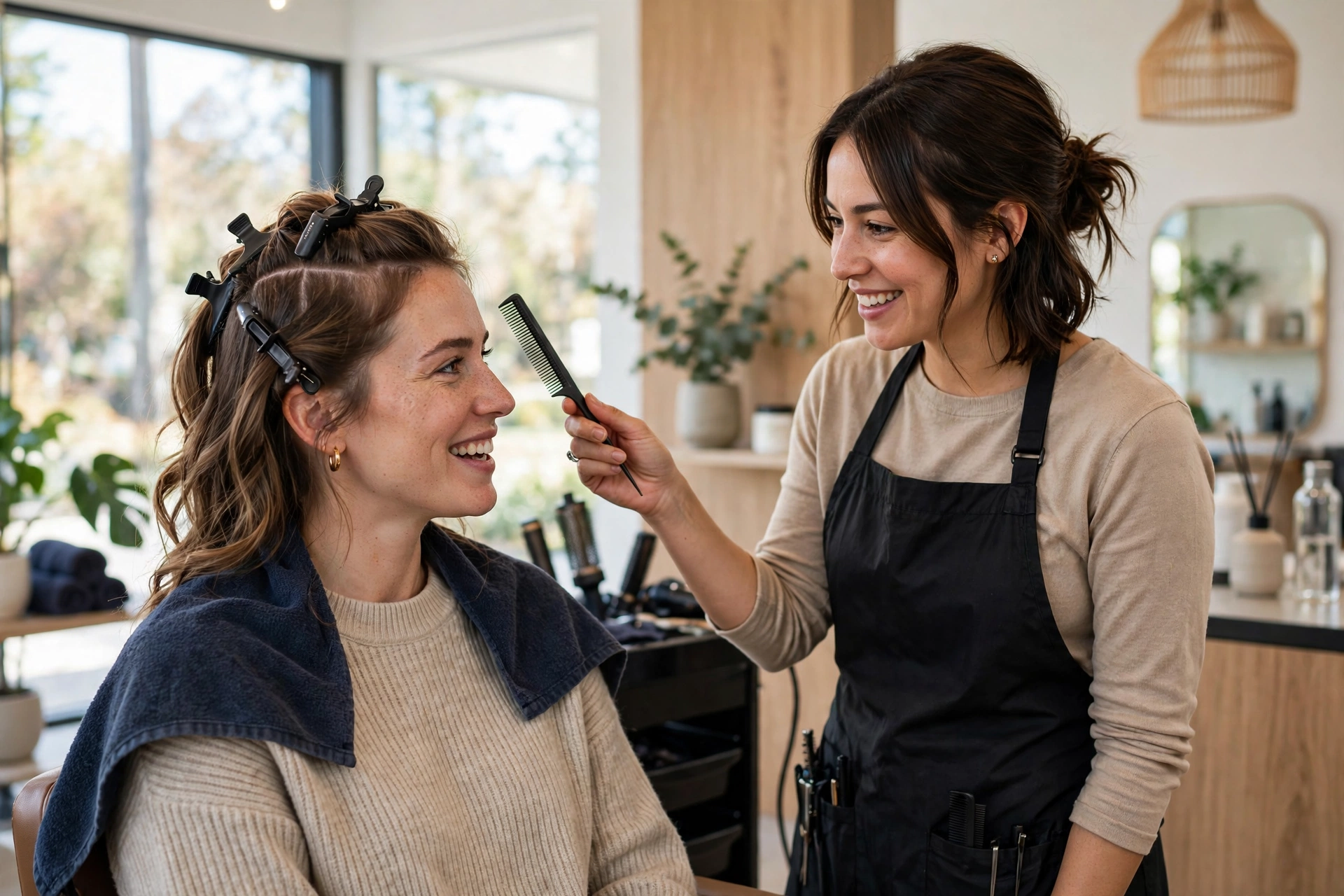
A great haircut starts with a clear conversation, not just a photograph. Bring two or three photos of women with a similar hair texture and density to yours, and one photo of what you do not want. That second photo is surprisingly helpful, because it prevents misunderstandings. Describe your routine honestly: how often you wash your hair, whether you air-dry or blow-dry, how much time you spend styling, and whether you use heat tools.
Mention anything your stylist should know, such as a cowlick, a parting that falls naturally to one side, or hair that frizzes in humidity. Ask questions before the scissors come out. How will this cut grow out? How often will I need a trim? What will it look like without styling? A good stylist welcomes these questions and will adjust the plan to fit your answers. If something feels unclear, say so before the cut begins. It is much easier to change a plan than to fix a cut you did not want.
Aftercare, Trims and Keeping Your Cut Looking Fresh
Even the best haircut fades without basic care. Short cuts generally need a trim every four to six weeks to hold their shape. Medium and long cuts usually need a trim every eight to twelve weeks, though split ends or heavy layering may call for more frequent visits. Between appointments, gentle care makes a real difference. Wash with a shampoo suited to your scalp, condition the lengths and ends rather than the roots, and avoid piling wet hair into a rough towel turban that causes breakage.
Use heat protectant whenever you blow-dry or use hot tools, and give your hair regular breaks from tight ponytails and heavy styling. Deep conditioning once a week or once a fortnight can help, especially for coloured, curly or very long hair. Pay attention to how your cut behaves as it grows. If the shape still looks good at eight weeks, you have found a cut that truly suits your hair. If it falls apart quickly, tell your stylist, because a small adjustment to layering or length can make the next version last much longer.
Conclusion
Choosing among hair cuts for women does not have to feel overwhelming. Start with your face shape as a gentle guide, be honest about your hair texture and your daily routine, and choose a length that fits the life you actually live. Short cuts can be bold and effortless, medium cuts offer versatility, and long cuts can stay full of movement with the right layers.
Bangs and face-framing pieces add softness without demanding a dramatic change, and a clear conversation with your stylist turns a good idea into a cut you love. Trends can inspire you, but they should never override what suits you. When you find a cut that works with your hair instead of against it, mornings get easier, your hair looks healthier, and your confidence grows quietly. Take this guide to your next appointment, show your stylist what you love, and enjoy a haircut that finally feels made for you.
FAQs
Which hair cut suits a round face best?
Long layers, a lob that falls below the chin, and side-swept or curtain bangs usually suit a round face best, because they add length and soft angles. Avoid blunt jaw-length cuts that can emphasise width.
How often should women get a haircut?
Short cuts usually need a trim every four to six weeks to keep their shape. Medium and long hair generally stays healthy with a trim every eight to twelve weeks, depending on growth and split ends.
What is the easiest hair cut to maintain?
A shoulder-length layered cut or a lob is often easiest, because it air-dries well, ties back easily, and grows out gracefully. The best low-maintenance cut is always the one that matches your natural texture and routine.
Are layered cuts good for fine hair?
Yes, when layers stay long and controlled. Soft, longer layers add movement without thinning the ends too much. Very short, choppy layers can make fine hair look thinner, so ask for a blunt perimeter with gentle layering.
Should I bring photos to my salon appointment?
Yes. Bring two or three photos of women with hair texture similar to yours, plus one style you do not want. Clear photos, an honest routine, and questions about grow-out help your stylist deliver the cut you pictured.
Disclaimer
This article is published for general information only. It explains hair cuts for women in plain language to help readers understand their options before visiting a salon; it is not professional, medical, or salon advice for any individual, and results will vary with hair type, face shape, and stylist technique. Readers should consult a qualified hairstylist for personal advice. This article involves no guest posting, no paid promotion, and no advertising: no brand, salon, or product has paid for placement here, and no link in this article is sponsored.
