

Long hair gives you more choice than almost any other length, but it also asks for a little more thought. The same hair that looks beautiful loose can feel heavy, tangle easily, and take a long time to dry. The good news is that you do not need complicated techniques or a long list of products to enjoy it. With a good cut, a few reliable styles, and a gentle routine, hairstyles for long hair can feel easy on busy mornings and elegant on special days. This guide covers the styles that work best, how to care for the length you have, and the small habits that keep long hair looking healthy. Whether your hair is straight, wavy, or curly, thick or fine, you will find ideas here that fit real life, not just photo shoots.
Hairstyles for long hair are styles and care routines that show off length while keeping hair healthy, from layered cuts and soft waves to braids, ponytails, and updos; thestylesmagazine.com only provides information about these styles, nothing else.
Quick Guide
| Occasion | Best long-hair choice | Time needed | Why it works |
|---|---|---|---|
| Work day | Low ponytail or sleek braid | 5–10 minutes | Neat, comfortable, stays put. |
| Casual weekend | Soft waves or half-up style | 10–15 minutes | Relaxed and shows off length. |
| Formal event | Low chignon or polished waves | 20–30 minutes | Elegant and holds for hours. |
| Workout | Dutch braids or high bun | 5 minutes | Keeps hair secure and tangle-free. |
| Second-day hair | Top knot or side braid | 5 minutes | Hides oily roots and looks intentional. |
Step-by-Step Guide
- Wash two or three times, shampooing the scalp and conditioning the ends.
- Once a week, use a deeper conditioner or hair mask on the mid-lengths and ends.
- Detangle gently with a wide-tooth comb, starting at the ends and working upward.
- Choose two or three heat-free days, and use heat protection on the other days.
- Sleep with hair in a loose braid or on a silk pillowcase to reduce tangles.
- Trim the ends every eight to twelve weeks to keep split ends under control.
- Try one new style each week, such as a braid or a half-up look, so styling stays fun.
Why Long Hair Needs Its Own Approach
Length changes everything about how hair behaves. Long hair is older at the ends than at the roots, which means the ends have survived more washing, brushing, sun, and heat. That is why ends often feel drier and break more easily, even when the roots look perfectly healthy. Weight is another factor. Long, thick hair can pull a style loose, while fine long hair can fall flat if the style is too heavy. The goal is to work with these facts rather than fight them. A style that distributes weight evenly, such as a low bun or a loose braid, will last longer and feel more comfortable than one that pulls from a single point. Likewise, a cut that removes a little weight through layers can make styling faster and give movement to hair that otherwise hangs in one heavy sheet. Understanding this helps you choose styles that suit your hair type instead of copying a look that was made for different hair.
Long Layered Cuts That Add Movement
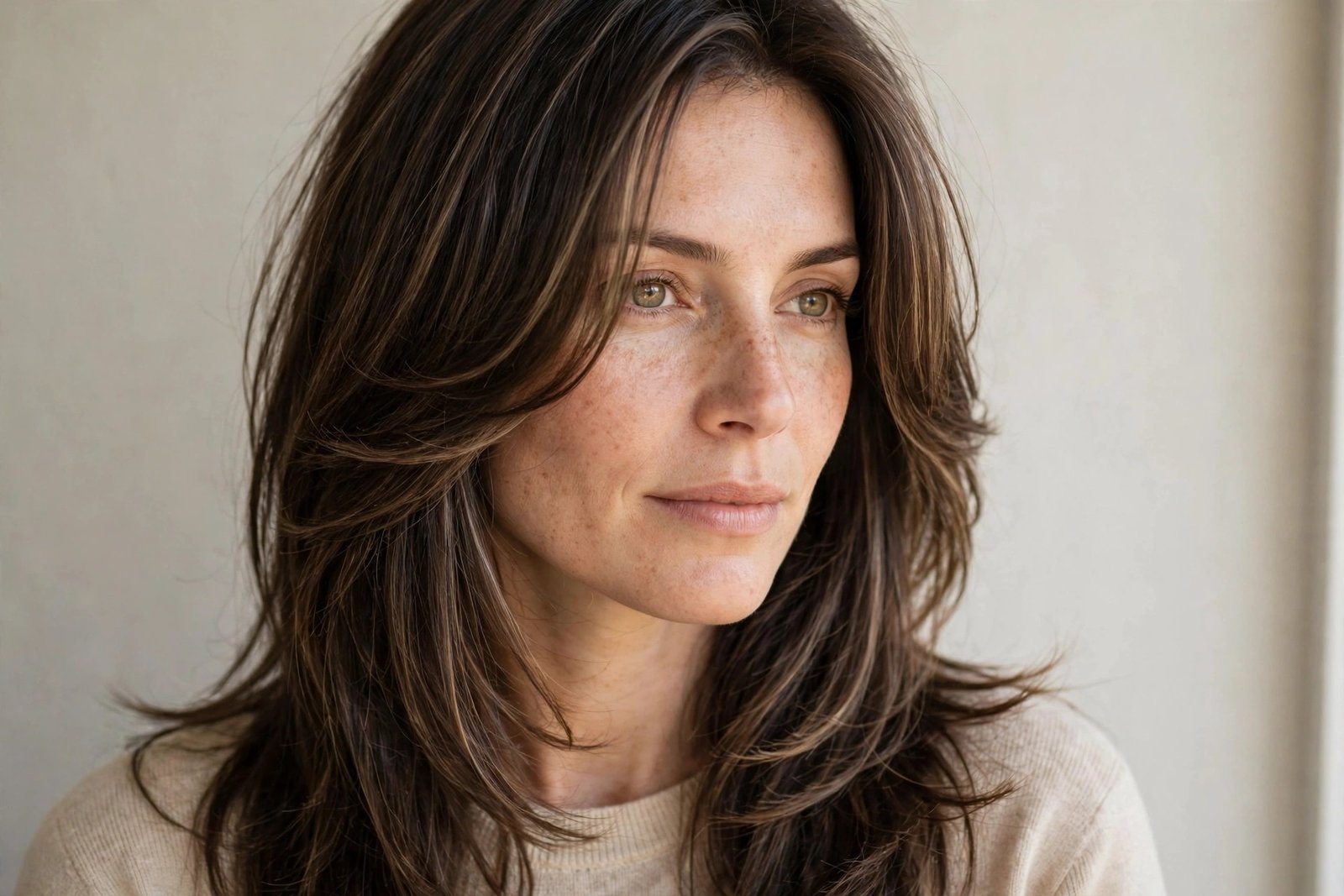
If your long hair feels flat or heavy, layers are often the simplest fix. Long layered haircuts keep the overall length while cutting shorter pieces around the face and through the ends. Face-framing layers soften the look and draw attention to your features, while longer layers through the back add movement when you walk or turn your head. Ask your stylist to keep the layers long and blended rather than short and choppy, unless you want a bold, textured finish. Layers also make styling easier: waves form more naturally, braids look fuller, and ponytails sit with more shape. For fine hair, fewer, longer layers are usually better, because too many layers can make the ends look thin. For thick hair, a stylist may thin the weight underneath so the top layers fall smoothly. A trim every eight to twelve weeks keeps layers fresh and stops split ends from travelling upward.
Soft Waves Without Heat Damage
Soft waves are one of the most loved long hair styling ideas because they suit almost everyone and work for both casual and formal days. You do not need high heat to get them. After washing, apply a light leave-in conditioner, then braid damp hair loosely into two braids and leave them until the hair is dry. When you undo the braids, you will have gentle, natural-looking waves. For a quicker result, use a large-barrel curling tool on a medium setting, curling sections away from your face and letting each curl cool before you touch it. Brushing through the curls with your fingers, rather than a brush, keeps them soft instead of frizzy. A small amount of light oil on the ends adds shine without weighing the waves down. If you use heat often, a heat-protectant spray is worth the extra minute, and giving your hair heat-free days helps it stay strong over time.
Braids That Work for Busy Days
Braids for long hair are practical, pretty, and protective. A classic three-strand braid keeps hair tidy on windy days and during workouts, while a French braid holds layers in place and looks polished for work. For a softer look, pull a few face-framing pieces loose after braiding and gently tug the braid wider, a technique sometimes called pancaking, which makes the braid look fuller. A side braid is a good choice when you want something romantic but quick, and two Dutch braids work well for sport or for sleeping, since they keep hair from tangling overnight. Braids also protect your ends from rubbing against clothes and bags, which is one of the quiet causes of breakage in long hair. Keep braids snug but not tight. A braid that pulls at your scalp can cause soreness and, over time, damage around the hairline. Comfort matters more than perfection.

Ponytails and Updos That Stay Put
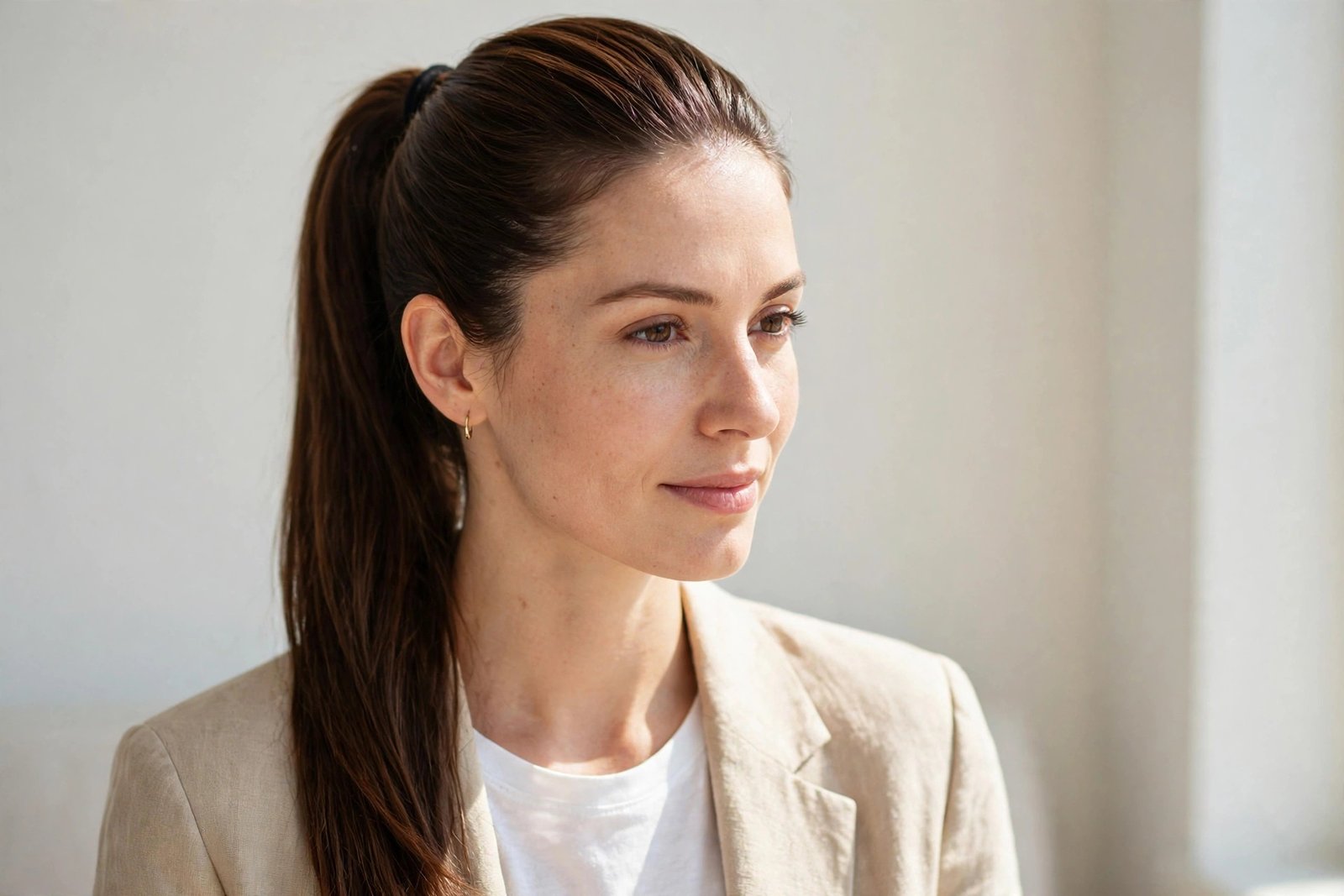
Long hair updos and ponytails fail most often because of weight, not skill. A high ponytail on long, thick hair can slide down within an hour unless it is anchored well. Start by brushing hair smooth, then secure it with a strong, snag-free elastic. Wrapping a small section of hair around the base hides the elastic and adds grip. For extra hold, pin the ponytail from underneath with two bobby pins crossed in an X shape. A low chignon, made by twisting hair into a loose bun at the nape of the neck, is a classic updo that suits work, weddings, and dinners alike. It distributes weight low, so it feels comfortable for hours. A top knot is faster and works well for second-day hair, especially if you add a little dry shampoo at the roots first. For any updo, finish with a light-hold spray rather than a stiff one, so the style moves naturally and does not look frozen.
Half-Up Styles for Everyday Ease
When you want your length on show but your hair out of your face, half-up styles are the answer. Take the top section of hair from each temple, bring the sections together at the back, and secure them with a small clip or elastic. You can twist each section first for a little detail, or braid them for a more finished look. A half-up bun, with the top section twisted into a small knot, is a relaxed style that works for weekends and casual offices. Half-up styles also suit long wavy hair beautifully, because the loose length underneath keeps its natural texture while the top stays neat. They are kinder to fine hair than a full updo, since they do not pull all the weight to one point. If your layers are short around the face, use a few small pins to catch the pieces that slip free, and let one or two soft pieces frame your face on purpose rather than fighting every strand.
Washing and Conditioning Long Hair Well
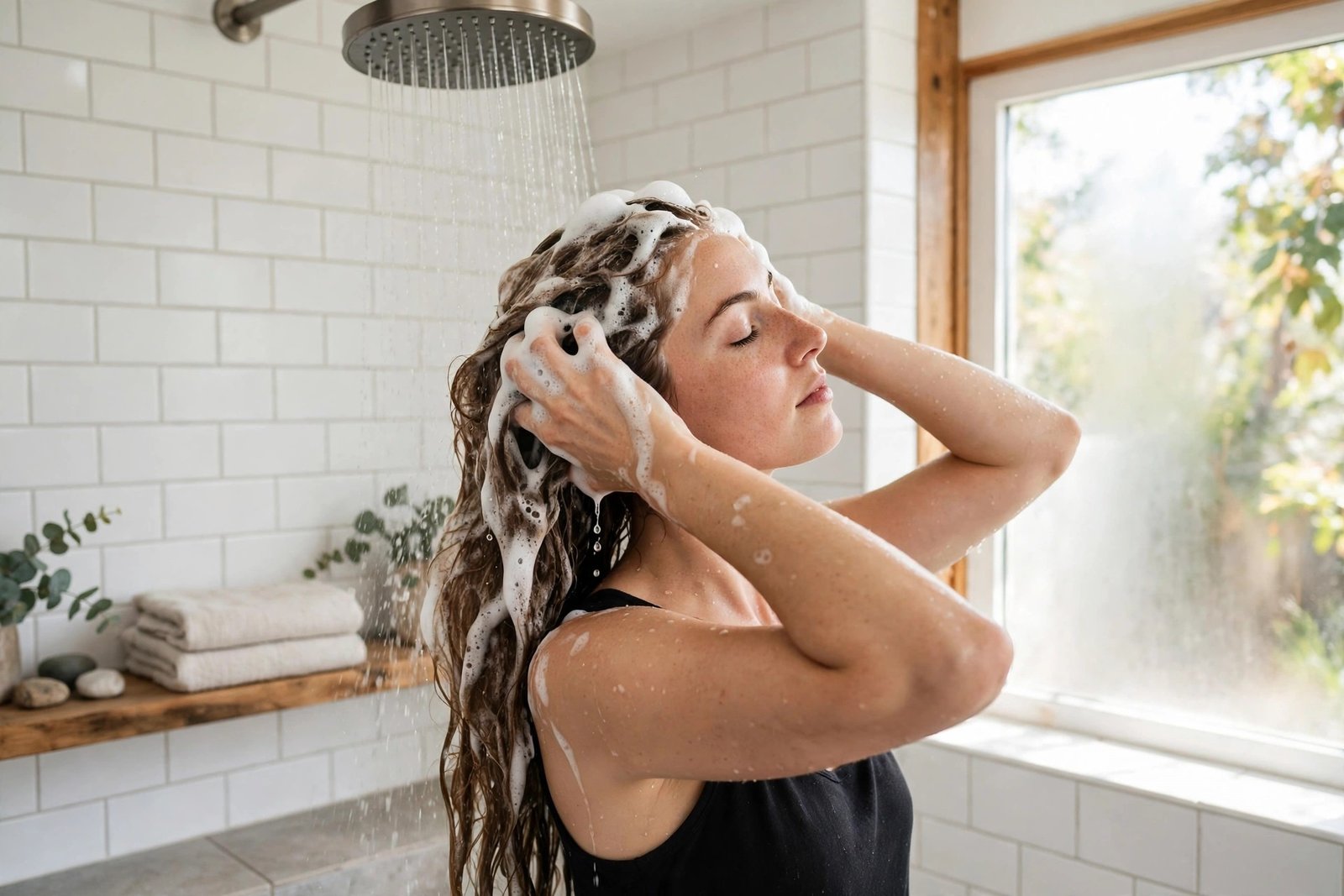
How you wash matters as much as how you style. Long hair does not need shampoo on every inch. Apply shampoo mainly to the scalp, where oil builds up, and let the lather run down the lengths as you rinse. This cleans the hair without stripping the older, drier ends. Conditioner, by contrast, belongs mostly on the mid-lengths and ends, where moisture is needed most. If your hair feels dry rather than oily, the choice between a hydrating shampoo vs. moisturizing shampoo matters, since the two solve slightly different problems. Leave it for a few minutes so it can soften the hair, then rinse with cool or lukewarm water. Washing every day is rarely necessary for long hair; two or three times a week suits most people, with dry shampoo helping between washes if the roots feel oily. When you do wash, be gentle. Rough scrubbing and piling hair on top of your head can tangle long lengths and cause breakage. Smooth, downward strokes are kinder, and a wide-tooth comb used on wet, conditioned hair removes tangles with far less damage than a brush.
Drying Long Hair Without Frizz
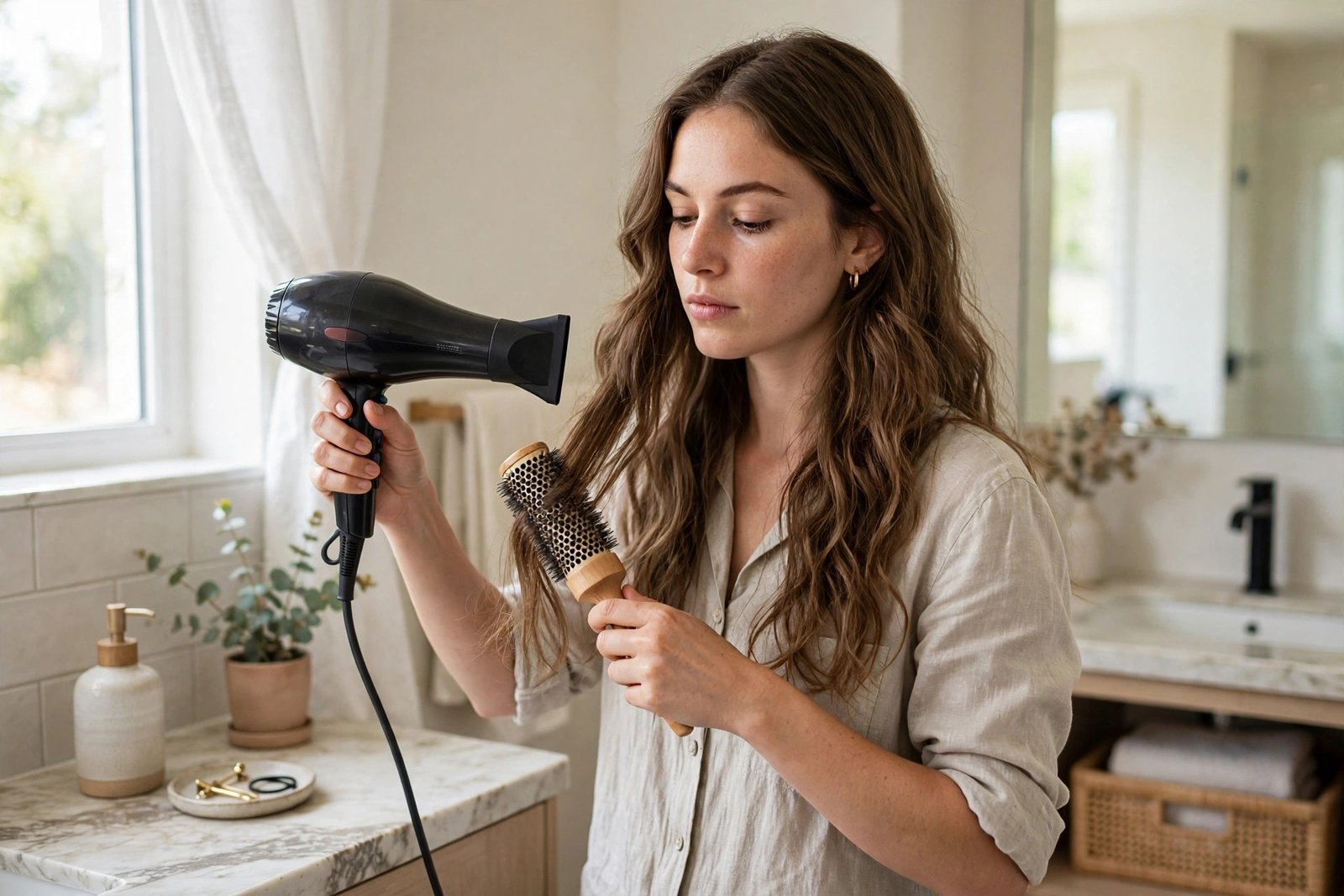
Drying is where frizz often begins. The best first step is also the simplest: after washing, wrap hair gently in a soft towel or an old cotton T-shirt and press, rather than rub, to remove water. Rubbing roughs up the hair surface and invites frizz. If you air-dry, apply a leave-in conditioner or a light cream first, then let the hair dry mostly untouched. Touching it constantly while it dries breaks up the natural pattern and creates flyaways. If you blow-dry, use a medium heat setting and point the dryer downward along the hair shaft, which smooths the surface and adds shine. A round brush can help straighten long hair, but work in sections and keep the brush moving so heat does not sit on one spot. However you dry, wait until hair is fully dry before brushing it out or putting it into a tight style, since damp hair stretches and breaks more easily.
Tools That Protect Your Length
Good tools make long hair care routine much easier, and you do not need many of them. A wide-tooth comb is essential for wet hair, while a soft-bristle or cushioned brush suits dry hair. Avoid brushes with sharp plastic bristles that snag, and replace any brush with bent or broken bristles, since these catch and snap hair. Snag-free elastics, fabric scrunchies, and claw clips are kinder than thin rubber bands, which can cut into hair and break it when removed. If you use hot tools, choose ones with adjustable heat and use the lowest setting that gives you the result you want. A silk or satin pillowcase, and the advice in guides about how to perfect your hair styling skills at home, can both reduce overnight friction, and readers who sleep with loose hair often notice fewer tangles in the morning. A silk bonnet offers similar protection, and the beauty of healthier hair with silk bonnets is easy to understand once you wake up with smoother hair. Small choices like these, repeated daily, protect length far better than any single expensive treatment.
A Simple Weekly Routine
A routine only works if you can keep it, so this one stays short. It covers washing, treatment, and styling in a rhythm that suits most long hair without taking over your week. Follow this rhythm for a month and you will usually notice softer ends, fewer tangles, and styles that hold better. Adjust the washing frequency to your scalp and your climate; oily scalps and humid weather may need an extra wash, while dry hair may need less.
Mistakes That Cost You Length
Many people lose length without realising it, through small daily habits. Tight ponytails worn in the same spot every day can break hair at the elastic line, so vary your style and the position of your ponytail. Brushing wet hair aggressively is another common cause of breakage, as is skipping conditioner on the ends. Overusing high heat without protection weakens hair over time, and so does colouring or bleaching without proper aftercare. Hair treatments for damage repair can help when hair already feels weak, and choosing top hair treatments for damage repair and healthy growth is worth considering if your ends feel rough or thin. Another mistake is ignoring trims. It feels strange to cut hair you are trying to grow, but trimming split ends stops them from splitting further up the shaft, which actually helps you keep length. Finally, be careful with wet hair in cold wind or tight hats, which can tangle and snap fragile lengths.
Choosing the Right Style for the Occasion
The best hairstyle is the one that fits your day, your hair type, and the time you have. The table above gives a quick starting point, but treat it as a guide, not a rule. Personal comfort and your own hair texture matter more than any chart. For a special occasion, it helps to practise the style once before the day itself. A keratin treatment can also make long hair smoother and easier to style, and learning how smooth and shiny hair with keratin treatment works can help you decide whether it suits your hair type. Whatever you choose, finish by checking the back in a mirror, since long styles can look perfect from the front and uneven from behind.
FAQs
How often should I trim long hair?
Most long hair benefits from a trim every eight to twelve weeks. This removes split ends before they travel upward, which helps you keep length rather than lose it.
Can I get waves without using heat?
Yes. Braid damp hair loosely into two braids and leave it until fully dry, then undo the braids and separate the waves with your fingers for a soft, natural finish.
Why does long hair tangle so easily?
Long hair has more length to rub against clothes, pillows, and itself, and its older ends are drier and rougher. Gentle detangling, conditioner, and a loose overnight braid all reduce tangling.
Is a layered cut good for fine long hair?
Yes, if the layers stay long and blended. A few longer layers add movement without thinning the ends, while too many short layers can make fine hair look thinner.
How can I make a ponytail last all day?
Use a strong, snag-free elastic, anchor it with two crossed bobby pins underneath, and wrap a small section of hair around the base. This spreads the weight and stops the ponytail sliding down.
Conclusion
Long hair is at its best when you keep things simple, gentle, and consistent. A good layered cut gives you movement, a few reliable styles cover every kind of day, and a kind washing and drying routine protects the length you have worked to grow. You do not need to master every trend or buy every product. Start with one or two styles from this guide, build the weekly routine slowly, and notice what your hair responds to. With that approach, hairstyles for long hair stop feeling like hard work and start feeling like what they should be: an easy, beautiful part of your everyday style.
This article is for general information only and is not professional hair, medical, or beauty advice. It does not involve guest posting, paid promotion, or advertising, and thestylesmagazine.com does not sell or endorse any product mentioned. Results vary with hair type, condition, and technique, so consider a qualified stylist for personal advice, especially before chemical treatments or major cuts.
Does this article help you? Explore our website The Styles Magazine to find more helpful and fun stories that could help you.
