
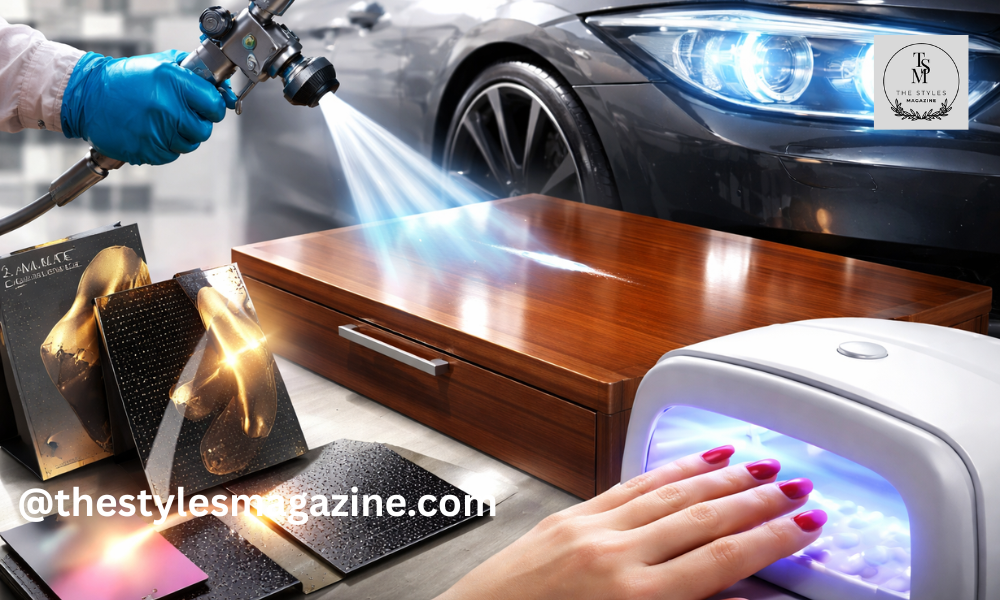
Uvlack, sometimes written as UV-lack or UV lacquer, is a modern type of coating that has quickly become popular across many industries. It is used to protect surfaces and improve their appearance, whether on furniture, packaging, nails, or industrial products. What makes uvlack different from traditional coatings is how it dries. Instead of waiting for air or heat to slowly harden the surface, uvlack cures almost instantly when exposed to ultraviolet (UV) light.
In simple terms, once the coating is applied, a UV lamp triggers a fast chemical reaction that turns the liquid into a solid layer within seconds. This quick process saves time, improves efficiency, and delivers a strong, long-lasting finish. Because of these advantages, uvlack is now widely used in manufacturing, printing, interior design, and even personal care.
In this article, you will learn what uvlack is, how it works, where it is used, and why it has become such an important solution in modern production and design.
Uvlack Overview
| Feature | Details |
| Type | UV-curable coating / varnish |
| How It Works | Hardens instantly when exposed to UV or LED light |
| Drying Time | Seconds (instant curing) |
| Finish Options | Glossy, matte, soft-touch, textured |
| Common Uses | Nail polish, furniture, packaging, automotive parts |
| Durability | High resistance to scratches, moisture, and chemicals |
| Environmental Impact | Low or no VOC emissions |
| Application Methods | Spray, roller, printing |
| Special Feature | Spot UV for highlighting specific areas |
| Cost Efficiency | Higher initial setup, but faster production saves time and money |
What Is Uvlack and How It Works
Uvlack is a UV-curable coating or varnish that hardens when exposed to ultraviolet light. It is made with special ingredients called photoinitiators. These ingredients react to UV light and start a process known as polymerization. During this process, the liquid coating quickly transforms into a solid, durable layer.
Unlike traditional varnishes that rely on air drying or heat, uvlack does not need long waiting times. Conventional coatings often take hours or even days to fully cure. In contrast, uvlack hardens almost instantly under UV light, making it much faster and more efficient.
The difference is not just about speed. Traditional coatings can sometimes shrink, crack, or release strong fumes as they dry. Uvlack avoids many of these issues because it cures through a controlled light-based reaction. This results in a smoother, more consistent finish with fewer defects.
Because of this unique curing method, uvlack has become a preferred choice in industries where both speed and quality are important.
Key Properties That Make Uvlack Stand Out
One of the main reasons uvlack is widely used is its ability to cure instantly. As soon as the coating is exposed to UV light, it hardens within seconds. This allows products to move quickly through production lines without delays.
Another important feature is its durability. Uvlack forms a tough surface that resists scratches, moisture, and many chemicals. This makes it suitable for products that need to last longer and maintain their appearance over time.
In addition to strength, uvlack also improves visual quality. It can create a high-gloss shine that makes colors look deeper and more vibrant. At the same time, it can also produce smooth matte finishes for a more subtle and modern look. This flexibility makes it useful for both decorative and functional purposes.
Environmental benefits are also worth noting. Many uvlack formulations contain little to no volatile organic compounds (VOCs), which are harmful emissions found in some traditional coatings. This makes uvlack a more eco-friendly option, especially as industries move toward sustainable practices.
Common Applications of Uvlack in Different Industries
Uvlack is used in a wide range of industries because of its versatility and performance. One of the most familiar uses is in cosmetics, especially in UV gel nail polish. This type of polish is applied like regular nail polish but cured under a UV or LED lamp. The result is a hard, glossy finish that can last for weeks without chipping.
In furniture and interior design, uvlack is commonly applied to wooden surfaces such as cabinets, doors, and panels. It provides a protective layer that resists wear and keeps surfaces looking new for longer. Both glossy and matte finishes are popular in modern interiors.
The printing and packaging industry also relies heavily on uvlack. It is often used to protect printed materials like brochures, business cards, and product packaging. A special technique known as spot UV allows certain areas, such as logos or images, to have a glossy finish while the rest remains matte. This creates a visually appealing contrast that adds a premium feel.
In industrial and automotive settings, uvlack is used to coat parts made of metal, plastic, and glass. These coatings help improve durability and protect components from environmental damage, including sunlight and moisture.
Types of Uvlack Finishes and Variations
Uvlack is available in several finishes, allowing manufacturers and designers to achieve different looks and textures. One of the most common choices is between high-gloss and matte finishes. High-gloss uvlack creates a shiny, reflective surface, while matte finishes offer a softer, non-reflective appearance.
There are also soft-touch and textured coatings that give surfaces a unique feel. These finishes are often used in premium packaging or consumer products to create a more engaging experience for users.
Uvlack can be clear or pigmented. Clear coatings are used to protect and enhance the natural look of a surface, while pigmented versions add color along with protection.
Another popular variation is spot UV coating. Instead of covering the entire surface, the coating is applied only to specific areas. This technique is widely used in printing to highlight important design elements and create contrast.
Uvlack vs Traditional Coatings: What’s the Difference
The most noticeable difference between uvlack and traditional coatings is drying time. Traditional varnishes can take hours or even days to fully cure, while uvlack hardens in seconds under UV light. This makes production much faster and more efficient.
When it comes to performance, uvlack generally offers better durability. It is more resistant to scratches, moisture, and fading, which helps products maintain their appearance over time.
Environmental impact is another key difference. Many traditional coatings release higher levels of VOCs, which can be harmful to both people and the environment. Uvlack, on the other hand, often has low or no VOC emissions, making it a cleaner option.
Cost can vary depending on the application. While the initial setup for UV curing equipment may be higher, the faster production speed and reduced waste can lead to long-term savings. For many businesses, this makes uvlack a cost-effective solution.
Advantages and Limitations of Using Uvlack
Uvlack offers many benefits in real-world use. Its fast curing time increases productivity, while its durability ensures long-lasting results. The ability to create different finishes also makes it suitable for a wide range of products.
However, it is not always the best choice for every situation. One limitation is that uvlack requires specialized equipment, such as UV lamps, which may not be available in all settings. It also works best on surfaces that can be easily exposed to UV light. Complex shapes or hidden areas may not cure evenly.
Another consideration is cost. Although uvlack can save time and reduce waste, the initial investment in equipment and materials can be higher compared to traditional coatings.
Before choosing uvlack, it is important to consider the specific needs of the project, including the type of surface, production volume, and desired finish.
How the Uvlack Application Process Works
The application of uvlack begins with proper surface preparation. The surface must be clean, dry, and free of dust or oil to ensure good adhesion. Any imperfections can affect the final result, so careful preparation is essential.
Once the surface is ready, the coating is applied using methods such as spraying, rolling, or printing, depending on the industry and product. The goal is to create an even layer that will cure properly.
After application, the coated item is exposed to a UV lamp. The light triggers the curing process, causing the coating to harden almost instantly. This step is quick and controlled, allowing for consistent results.
Once cured, the surface is ready for immediate handling. There is no need for long drying times, which helps speed up production and reduce delays.
Quick Understanding (Step-by-Step: How Uvlack Works)
- The surface is cleaned and prepared.
- Uvlack coating is applied evenly.
- The coated surface is exposed to UV or LED light.
- A chemical reaction occurs instantly.
- The coating hardens into a strong, finished layer.
Recent Trends and Innovations in Uvlack Technology
Uvlack technology continues to evolve as industries look for more efficient and sustainable solutions. One of the key trends is the development of eco-friendly formulations that reduce environmental impact while maintaining performance.
Another important advancement is the use of LED UV curing systems. These systems are more energy-efficient and generate less heat compared to traditional UV lamps, making them safer and more cost-effective.
Uvlack is also becoming more popular in premium packaging and product design. Brands are using advanced coatings to create unique textures and visual effects that stand out in competitive markets.
As technology improves, more industries are adopting uvlack as a standard solution. Its combination of speed, durability, and visual appeal makes it a strong choice for modern manufacturing.
Conclusion
Uvlack is a fast-curing, high-performance coating that has changed the way surfaces are finished across many industries. By using UV light to harden quickly, it offers clear advantages over traditional coatings, including faster production, improved durability, and better environmental performance.
From cosmetics and furniture to packaging and industrial applications, uvlack continues to play an important role in modern design and manufacturing. Its ability to deliver both protection and visual quality makes it a versatile solution for a wide range of uses.
As new technologies and innovations continue to develop, uvlack is likely to become even more widely used, shaping the future of coatings and surface finishes in a practical and sustainable way.
Frequently Asked Questions (FAQs)
What Is Uvlack Used For?
Uvlack is used for protecting and enhancing surfaces in nails, furniture, packaging, and industrial products due to its durability and fast curing.
Is Uvlack Better Than Traditional Varnish?
In many cases, yes. Uvlack cures faster, lasts longer, and provides better resistance compared to traditional coatings.
Does Uvlack Require Special Equipment?
Yes, it needs UV or LED lamps to cure properly, which is essential for its instant hardening process.
Is Uvlack Environmentally Friendly?
Most uvlack formulations have low or no VOC emissions, making them safer and more eco-friendly than many traditional coatings.
How Long Does Uvlack Last?
It depends on the application, but uvlack coatings are known for long-lasting performance, especially in nails and industrial uses.
Thank you for exploring our Blog! For additional captivating content, feel free to explore the corresponding category.
Disclaimer: This article is for informational purposes only. While every effort is made to ensure accuracy, results may vary depending on usage, materials, and application methods. Always consult professionals for specific use cases.
Messeregge: A Practical Guide To This Precision Soil Preparation Tool
