
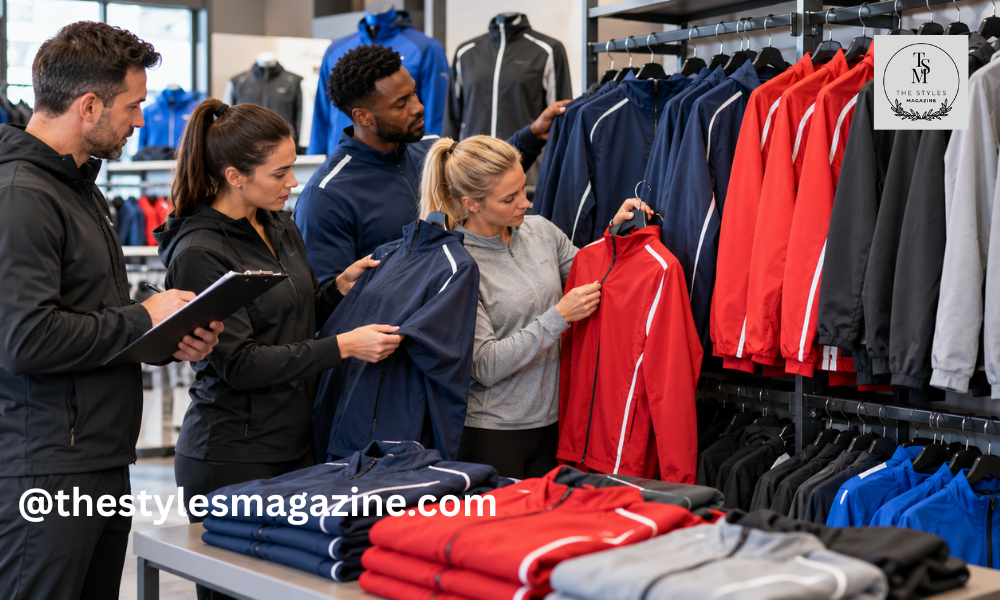
A team jacket has to work for the people wearing it, the setting where they work, and the deadline on the calendar. When time is limited, ready-made jackets give organizations a practical starting point: choose an existing style, confirm the available sizes and colors, and add appropriate branding. If the team’s uniform also includes polo shirts, check how the two layers fit and look together. The challenge is making sure a fast choice is still a good one.
Start With The Job, Not The Photograph
Before comparing styles, write down where the jackets will be worn. An event crew moving between indoor venues may need a light layer that packs easily. A field team may care more about wind protection, secure pockets, and freedom of movement. Staff greeting customers may prefer a cleaner collar and a quieter color. These needs should guide the shortlist before anyone debates which design looks best on a screen.
Check The Fit Across The Whole Team
One sample size cannot represent everyone. Ask for a size chart with garment measurements, then compare it with a jacket your team already wears comfortably. Pay particular attention to chest width, sleeve length, and room over a work shirt. If the jacket will be shared across shifts or worn over different layers, a slightly more forgiving cut may be useful. Confirm the size range and stock availability for every size you plan to order, including less common sizes.
Examine The Details People Notice Later
A product image rarely tells you whether a zipper feels sturdy or whether a pocket fits a phone. Review the fabric weight, lining, closures, cuffs, and care instructions. Think about the local climate and the team’s daily routine: a heavy jacket can be inconvenient in warm weather, while a very thin one may not serve its intended purpose in an air-conditioned workplace. If possible, inspect a physical sample before approving a large order.
Plan Branding And Timing Together
Embroidery, printing, and patch placement can change both the appearance and the schedule. Ask where a logo can sit without interfering with seams or pockets. Request a mockup showing the actual logo size, thread or print colors, and placement. Then confirm what is in stock, how long decoration will take, and when the finished jackets can be delivered. Keep a small buffer before the event date for distribution and size exchanges.
Compare The Full Order, Not Just The Unit Price
A low jacket price can look less attractive after decoration, setup, packing, and delivery are added. Ask each supplier to quote the same quantity, size mix, artwork, and deadline so the totals are comparable. Clarify whether a sample is included and what happens if a size needs to be exchanged. If the team is likely to grow, ask whether the same style and color can be reordered later. A small reserve of common sizes may be more useful than a last-minute repeat order.
Finally, plan the handover. Label jackets by size, record who receives each one, and share simple care instructions. If everyone collects a jacket on the morning of an event, even a well-made order can feel chaotic. A short fitting session or distribution window gives people time to check the sleeves and exchange sizes before they need to be on duty. Keep written approval of the artwork and delivery schedule with the order. Confirm who will inspect the shipment when it arrives.
For a starting point when comparing teamwear options, browse OK Garment and prepare a brief with your preferred style, sizes, quantity, logo file, and required date. A clear brief makes it easier to compare quotes and avoid surprises. The best ready-made jacket is the one your team can wear comfortably and use confidently, long after the first group photo.
Does this article help you? Explore our website The Styles Magazine to find more helpful and fun stories that could help you.
Beyond The Suit: Creative Office Wear Ideas To Elevate Your Presence
