

A tidy home rarely comes from one big clean-up. It comes from small systems that make putting things away easy. Home organization hacks are shortcuts of that kind: a labelled box, a hook by the door, a tray for keys, a five-minute reset before bed. Together, they turn tidying from a weekend chore into a few small habits that fit real life. This guide gives you practical hacks for every room, plus habits that keep them working.
Organization hacks are small, practical shortcuts that make tidying faster, from labelled boxes to five-minute resets; thestylesmagazine.com only provides information about organization hacks, nothing else.
Quick Guide
| Area | Hack | Time to set up |
|---|---|---|
| Entryway | Hooks + tray for keys | 15 minutes |
| Kitchen | One zone per task | 30 minutes |
| Bathroom | One basket per person | 10 minutes |
| Closet | One-in, one-out rule | No set-up |
| Desk | Inbox tray + daily clear | 10 minutes |
Step-by-Step Guide
- Pick one small area, such as a drawer or a shelf, and finish it fully.
- Take everything out, clean the space, and sort items into keep, move, and remove.
- Give every kept item a clear home, close to where you use it.
- Label boxes and shelves simply, so anyone in the home can put things back.
- Do a five-minute reset each evening, returning items to their homes.
Start Small: One Drawer, One Shelf, One Win
Big tidy-up plans often fail because they start too large. A whole house in one weekend is tiring, and clutter returns before the job feels done. Start with one drawer, one shelf, or one corner, and finish it completely. Empty it, clean it, sort it, and put back only what belongs there. That one small win shows you the method works, and it gives you a tidy spot to enjoy at once. Small wins build momentum far better than a large, unfinished plan.
Choose an area you see every day, such as the kitchen drawer that sticks or the shelf by the door. If the job is not done, note what is left and return to it tomorrow. Do not pull out more than you can finish in the time you have. One finished drawer is worth more than three half-emptied cupboards. When the first area stays tidy for a week, move on to the next one, using the same simple steps.
Declutter First, Organize Second
Organising clutter only hides it in prettier boxes. Decluttering hacks work best when they come first: remove what you do not use, and organise only what is left. Start with easy wins, such as expired food, broken items, duplicate tools, and clothes you have not worn in a year. Put donations in a bag and take them out of the house the same day. Keep a repair box for items that need a small fix, with a date to deal with them. Everything else should have a reason to stay.
Ask three questions for each item: do I use it, does it work, and do I have a place for it? If any answer is no, the item should go, move, or be repaired. You do not need to justify every item, and you do not need to finish the whole house at once. Decluttering is easier in short sessions, with breaks, than in one long, tiring day. Once the extra items are gone, organising the rest becomes simple, because every item has earned its place.
Storage That Works in Every Room
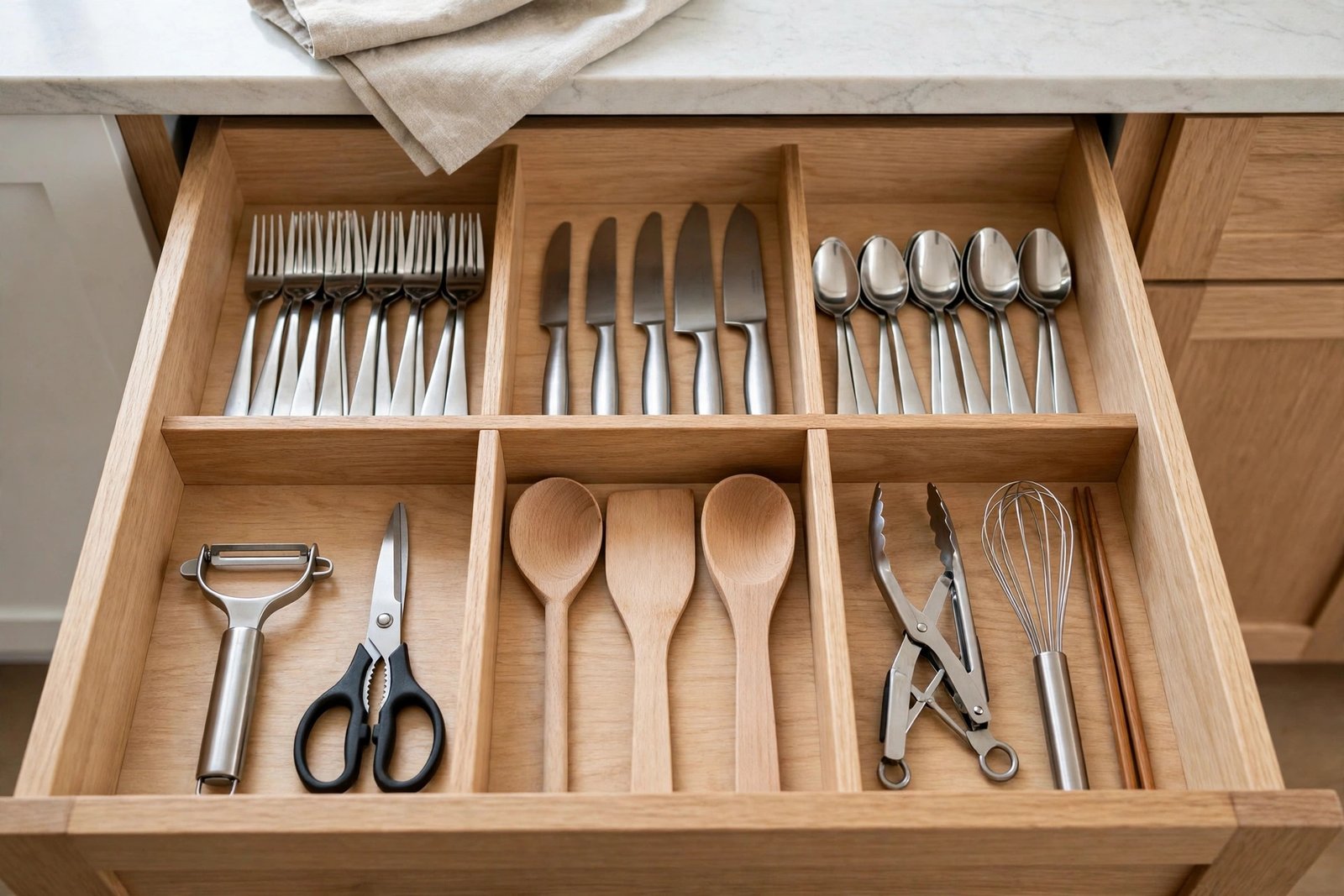
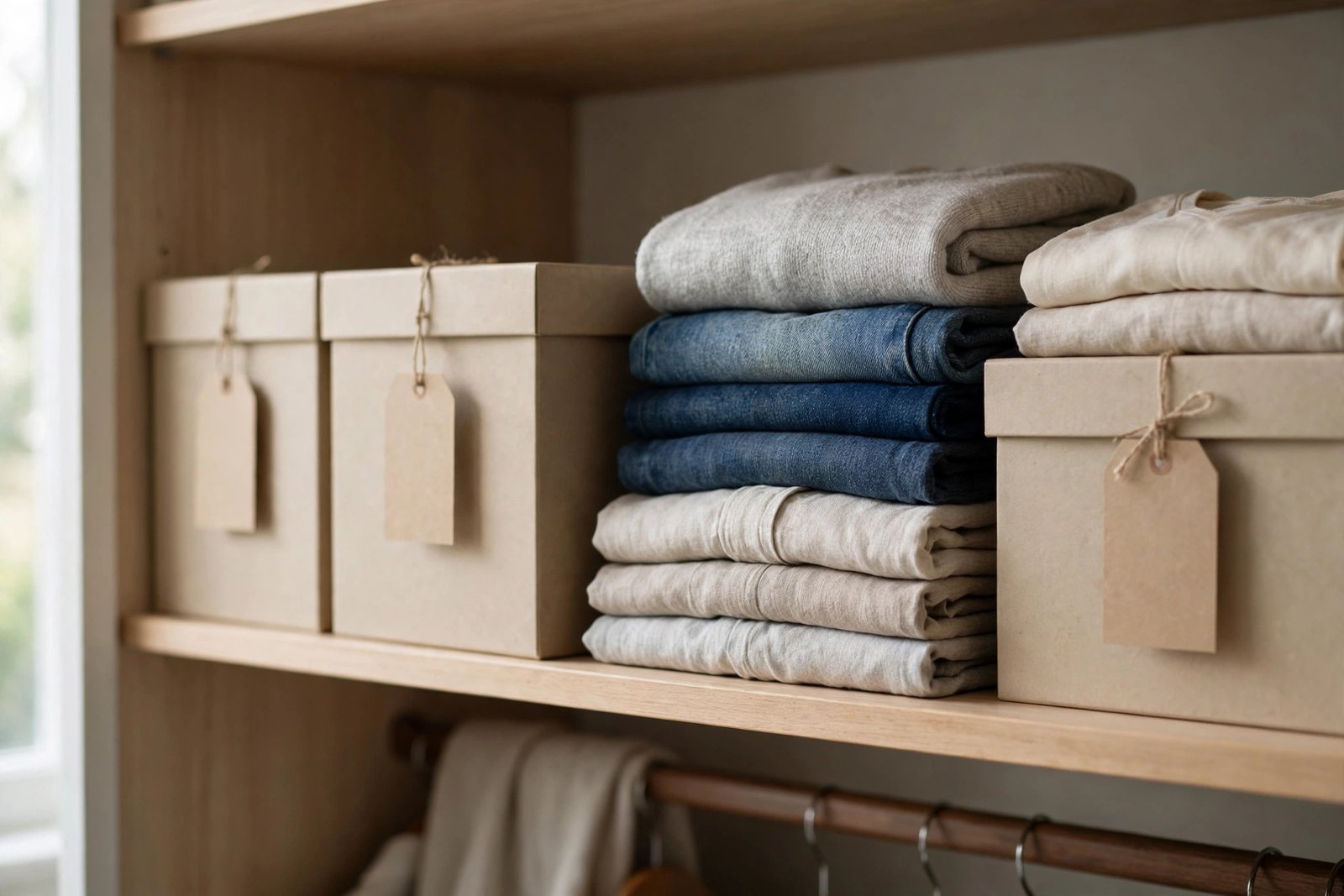
Storage hacks for home work best when storage matches the item and the place it is used. Use clear boxes for items you need to see, such as food, craft supplies, and spare parts. Use plain boxes and baskets for items you want hidden, such as linens and off-season clothes. Label every box simply, with what is inside, so you do not need to open three boxes to find one thing.
Use vertical space, not only floor space. Hooks on walls and doors, shelves above desks and counters, and tall, narrow storage all add room without taking floor space. Keep heavy items low, everyday items at eye level, and rarely used items high. Avoid buying storage before you declutter, as new boxes often become new clutter. First remove, then measure, then buy only what fits the items you kept. Good storage is invisible: it holds what you need, where you need it, and lets you find it without searching.
The Kitchen: Zones, Jars, and Clear Counters
Kitchen organization hacks start with zones. Keep everyday items at the front, and move rarely used gadgets to a high shelf or another cupboard.
Use jars and containers for dry food, so you can see what you have and keep food fresh. Decant rice, pasta, flour, and snacks into clear, airtight containers, and label them simply. Check dates when you decant, and put new food behind old food so older items are used first. Keep a small basket for items that need using soon, such as soft fruit or opened packets. Wipe shelves when you restock, and do a quick check once a week for expired items. A kitchen organised by zones stays tidy because every item has a logical home.
The Bathroom: Small Space, Calm Routine
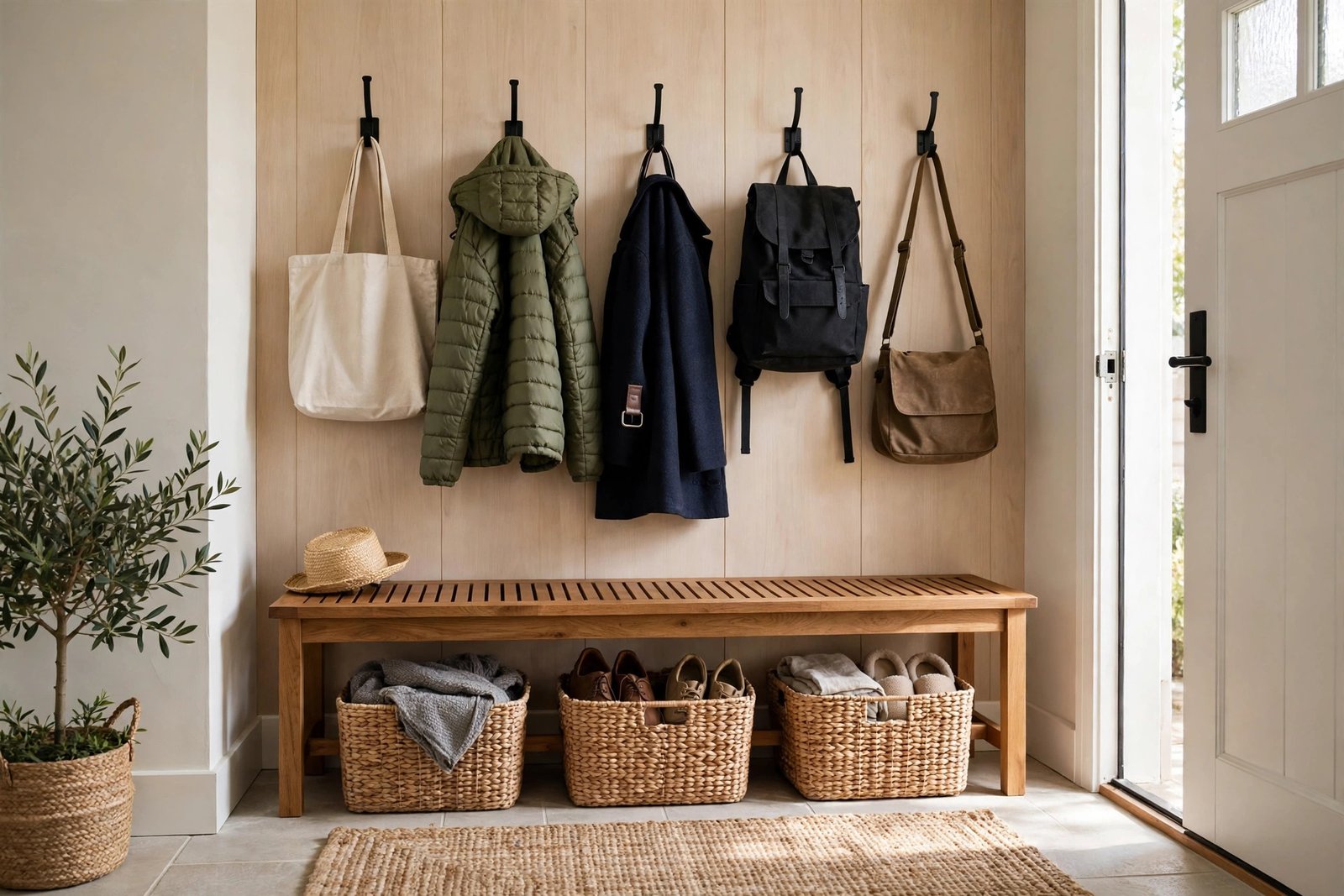
Bathroom organization hacks suit small spaces, because bathrooms rarely have spare room. Give each person one basket or shelf for their own items, so products do not mix and spread. Keep daily items, such as toothbrushes and face wash, at hand level, and store spare stock elsewhere. Use the back of the door for hooks or a slim rack for towels and robes. A small tray on the counter holds the few items you use daily, and everything else lives in a cupboard or drawer. Once you know how to clean a bathroom properly, keeping it tidy takes only minutes a day.
Keep counters as clear as possible, as water and steam make clutter look messy quickly. Wipe the sink and mirror after use, hang towels to dry, and put products back at once. Check dates on medicines and skincare, and remove empty bottles promptly. If the bathroom is shared, agree on who owns which shelf, and do a short reset each evening. A calm bathroom routine, repeated daily, keeps a small space feeling clean and spacious.
The Closet: Less Clothes, More Order
Closet organization hacks start with fewer clothes, not more storage. Keep only clothes that fit, suit you, and are worn often. Group clothes by type, then by colour, so you can see all your options at a glance. Hang shirts, dresses, and trousers, and fold knitwear and T-shirts, as hanging stretches knitwear. Use matching, slim hangers to save space, and leave a little room on the rail so clothes do not crease. Everyday clothes belong at eye level, at the front, where you can reach them without searching.
This stops the closet from filling up again. Keep a small donation bag in the closet, and add items as you notice them. Store off-season clothes in clean boxes on a high shelf, and rotate them twice a year. Check shoes, bags, and accessories too, and give each a clear place. A closet with less in it is easier to keep tidy, easier to choose from, and far calmer to open each morning.
Small Spaces and Shared Rooms
Organizing hacks for small spaces rely on using every centimetre well. Use furniture with storage built in, such as beds with drawers, ottomans that open, and benches with baskets beneath. Use walls for shelves and hooks, and doors for slim racks. Keep the floor as clear as you can, as a clear floor makes a small room feel larger. Measure before you buy, and check that doors, drawers, and lids can open fully.
In shared rooms, agreed zones matter more than perfect storage. Keeping shared spaces clean and well-organized starts with clear zones for each person and a short daily reset. Give each person a shelf, a hook, and a basket, and agree on where shared items live. Keep shared surfaces, such as dining tables and kitchen counters, clear after use. If space is very tight, rotate items by season, and store rarely used things elsewhere. A small, shared space works when everyone knows where things go, and everyone does a little, every day.
The Home Office and Paper That Piles Up
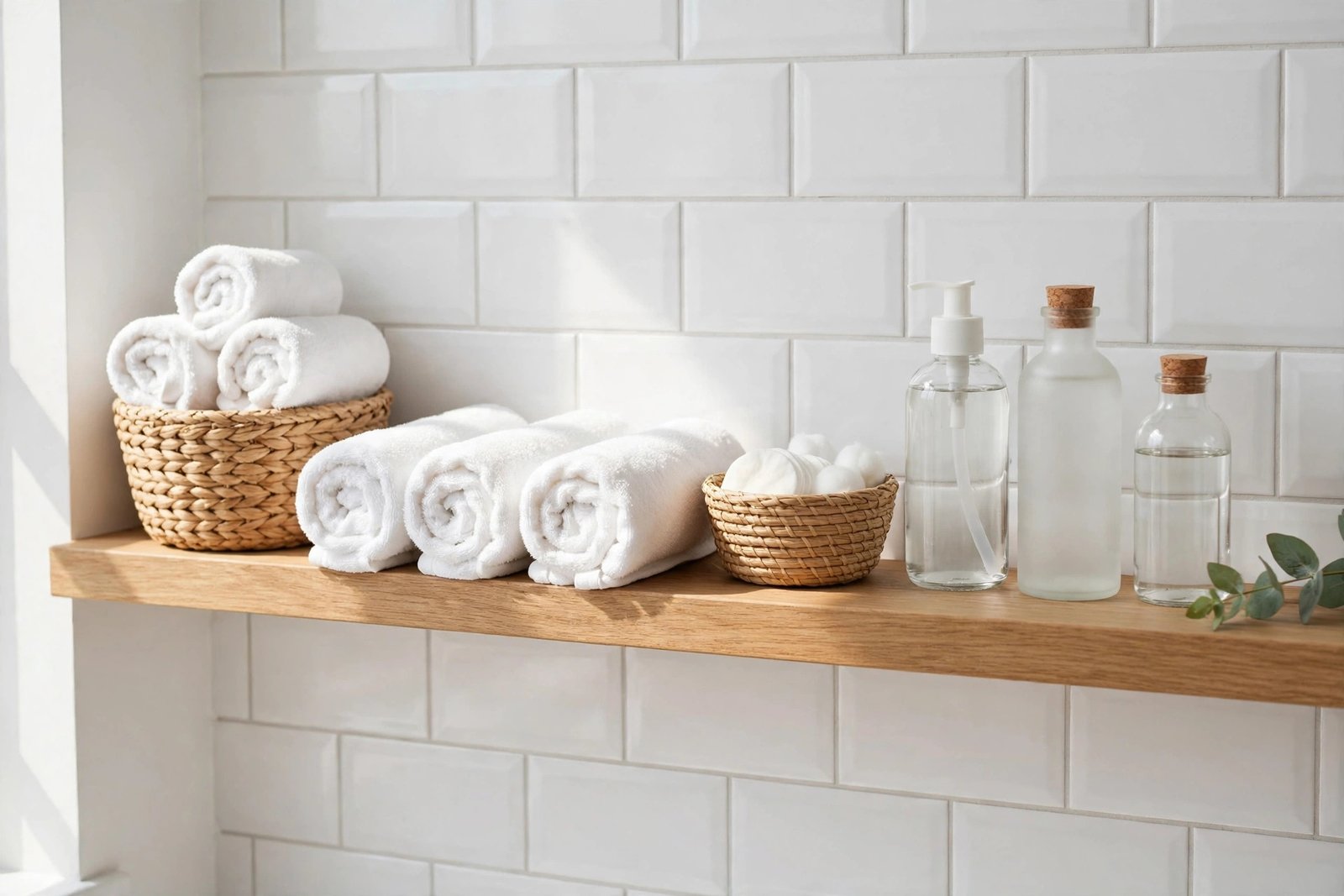
Paper piles up faster than almost anything else. Use an inbox tray for all incoming paper, and sort it once a day: act, file, or recycle. Keep only current work on the desk, and file the rest at once. Use a simple filing system, with a few clear folders, rather than many detailed ones. Scan or photograph important papers, and store them in named folders on your computer, with a backup.
Use cable clips or a cable box to keep cords tidy and out of the way. At the end of each workday, spend five minutes clearing the desk, filing papers, and writing tomorrow’s top task. A clear desk makes the next morning calmer, and it stops small piles from becoming large ones. Paper is manageable when it has a daily routine, not a monthly clear-out.
The Entryway: The First Five Minutes at Home
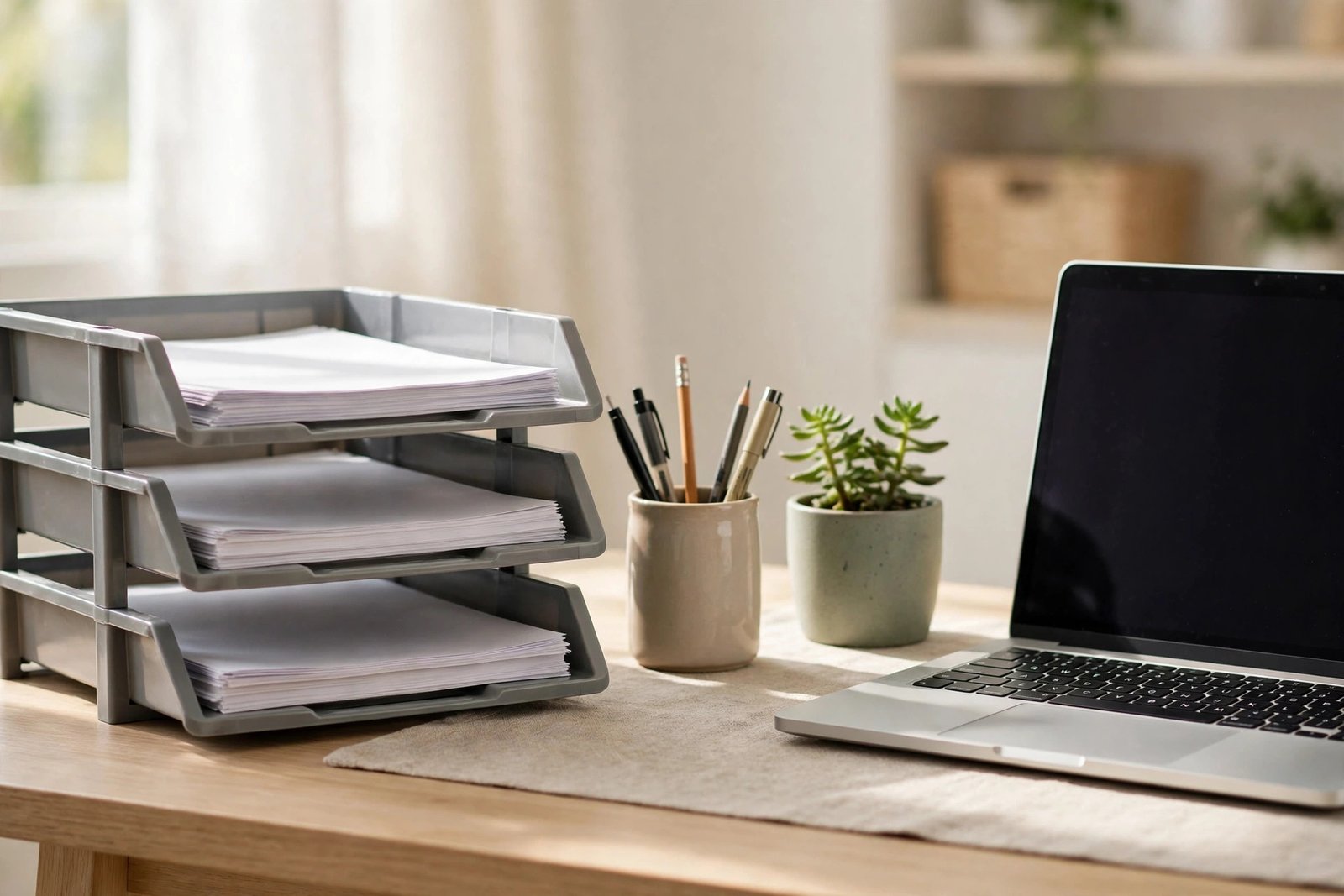
The entryway sets the tone for the whole home. When you arrive, you need a place for keys, bags, coats, and shoes, or they will spread through the house. Use hooks for coats and bags, a tray or bowl for keys, and a bench or rack for shoes. Keep a small basket for items that need to leave the house, such as returns, library books, or letters. Check the entryway each evening, and return stray items to their homes. Five minutes here saves tidying time all through the house.
Keep the entryway simple and welcoming. A mirror, a small plant, and a mat are enough; too much decoration becomes clutter in a small space. If there is no separate entryway, create one with a small table, a hook rail, and a shoe tray near the door. Teach everyone in the home the same routine: shoes off, coat hung, keys in the tray, bag in its place. A calm entryway makes coming home feel good, and leaving home feel organised.
Daily Habits That Keep a Home Tidy
Daily organization habits matter more than any storage product. A five-minute reset, morning and evening, keeps a home from drifting into clutter. In the morning, make beds, open curtains, and clear breakfast items. In the evening, wash or load dishes, wipe counters, hang up clothes, and return items to their homes. Put things away at once, instead of setting them down “for now”, as “for now” piles grow quickly. These small actions, done daily, take less time than one large clean-up each week.
Build habits around moments you already have. While the kettle boils, wipe a counter. While waiting for dinner, fold laundry. Before you leave a room, take one item that belongs elsewhere. Keep cleaning supplies where you use them, so a quick wipe is easy. Habits work because they are small and repeated, not because they are perfect. A home kept tidy by daily habits feels calm without constant effort, and it leaves weekends free for rest and fun.
Getting the Family on Board Without Nagging
Tidying works best when everyone helps, but nagging rarely works. Instead, make the system easy and clear, so helping is simple. Label boxes, use pictures for young children, and keep storage at a height everyone can reach. Give each person one clear job, such as clearing the table, feeding pets, or tidying the entryway, and rotate jobs fairly. Praise effort, not perfection, and thank people when they help. A short family tidy-up, with music and a timer, can feel like a game rather than a chore.
Agree on shared rules together, such as clear tables after meals and shoes by the door. Write the rules simply, and put them where everyone can see them. If someone forgets, remind them kindly and once, and move on. Celebrate a tidy home together, with a treat or a relaxed evening, so the reward is shared. When everyone owns a small part of the system, the home stays tidy with far less friction.
A Monthly Reset That Keeps It Working
A monthly reset, lasting an hour or two, keeps the whole system working. Walk through each room with a bag for rubbish, a bag for donations, and a box for items that belong elsewhere. Check expiry dates in the kitchen and bathroom, look for broken items, and return stray items to their homes. Wipe shelves and surfaces as you go, and note anything that needs repair or replacement.
Use the reset to review what is working and what is not. If a box is always overflowing, it needs a larger home or fewer items. If a shelf is always empty, it may not be needed. Adjust the system, rather than forcing yourself to fit a system that does not suit your life. Note one small improvement each month, and make it before the next reset. With daily habits, a weekly check, and a monthly reset, a home stays organised without drama. The system should serve your life, not the other way round, and small, regular care is what keeps it working.
FAQs
How do I start organizing my home?
Start with one small area, such as a drawer or shelf, and finish it fully. Empty it, clean it, sort items, give each kept item a home, and use a five-minute reset each evening to keep it tidy.
What is the best organization hack for a small home?
Use vertical space, furniture with storage, and clear zones for each person. Keep floors clear, measure before buying storage, and rotate seasonal items elsewhere so everyday items stay easy to reach.
How do I keep my kitchen counters clear?
Keep out only daily items, such as a kettle or fruit bowl, and store the rest. Use zones for cooking, washing, and food prep, wipe counters after use, and check weekly for items that have drifted back.
How often should I declutter my home?
A full declutter once or twice a year works well, with a short monthly reset and daily five-minute tidies. Remove donations the same day, and use the one-in, one-out rule for new items.
How can I get my family to help tidy up?
Make the system clear and easy, with labels, reachable storage, and one fair job each. Praise effort, use a short timed tidy-up together, and agree on simple shared rules that everyone can follow.
Conclusion
Organization hacks work because they are small, simple, and repeated. Start with one drawer, declutter before you organise, and give every item a clear home near where you use it. Use zones in the kitchen, baskets in the bathroom, and a clear entryway routine, and keep paper under control with a daily sort. Daily five-minute resets and a monthly check keep the system working, without large clean-ups or nagging. Your home does not need to be perfect. It needs to be calm, useful, and easy to keep tidy.
Disclaimer: This article is provided for general information only and is not professional advice. It does not involve guest posting, paid promotion, or advertising, and thestylesmagazine.com does not sell or endorse any product mentioned. Results vary from person to person, so consider speaking with a qualified professional if you need advice about safety, electrical items, or a specific personal need.
Does this article help you? Explore our website The Styles Magazine to find more helpful and fun stories that could help you.
Creative Blog Ideas To Inspire A Successful Whole Home Remodeling Journey
