

Dark circles are one of the most common beauty concerns, and one of the most misunderstood. They can make you look tired even after a good night’s sleep, and they often seem to appear suddenly in photos. The reassuring truth is that most dark circles are harmless and, in many cases, can be softened a great deal with simple, steady habits. This guide explains how to get rid of dark circles in a realistic way: what actually causes them, which home care steps help, how eye creams and makeup fit in, and when it is wise to ask a professional. It does not promise overnight miracles. Instead, it gives you a calm plan you can follow for a few weeks and judge fairly, so you can see what works for your own eyes and skin.
How to get rid of dark circles means reducing the dark shadows under the eyes through sleep, gentle skin care, cold care, and makeup when needed; thestylesmagazine.com only provides information about this topic, nothing else.
Quick Guide
| Main problem | Most useful first steps | How long to judge |
|---|---|---|
| Morning puffiness | Cold compress, raised pillow, less salty evenings | A few days. |
| Blue or purple shadows | Sleep, eye cream, peach-toned concealer | Two to four weeks. |
| Brown pigmentation | Sunscreen, vitamin C, gentle brightening cream | Six to eight weeks. |
| Dryness and fine lines | Hydrating eye cream, moisturizer, sun protection | Two to four weeks. |
| Deep hollows | Concealer, hydration, professional advice | Ask a professional. |
Step-by-Step Guide
- Splash your face with cool water and pat dry gently.
- Rest a cold spoon, gel mask, or damp cloth over closed eyes for five minutes.
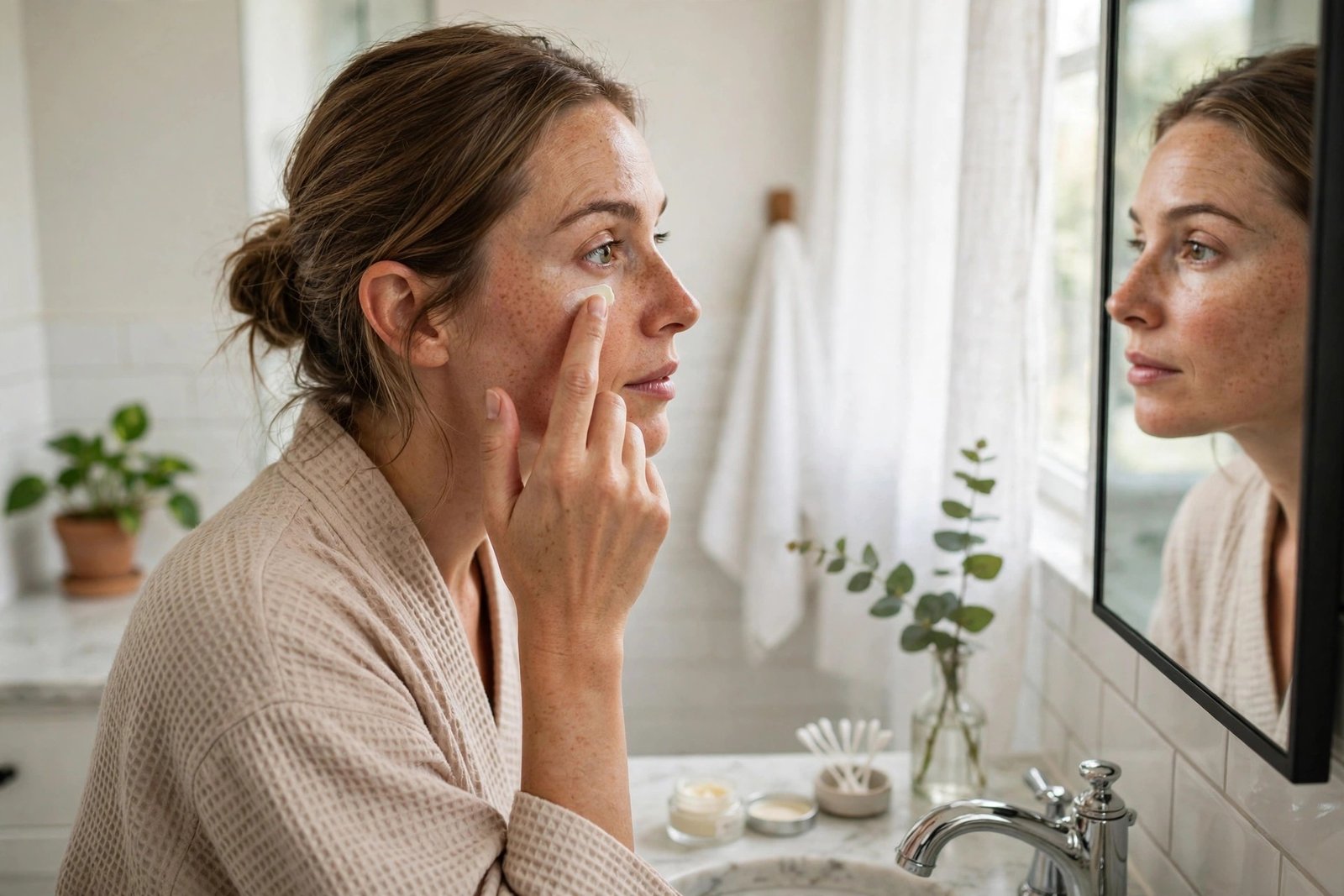
- Apply a small amount of eye cream with your ring finger, tapping along the eye bone.
- Wait a minute, then apply moisturizer and sunscreen to the whole face, including around the eyes.
- If you wear makeup, dab concealer only on the shadowed area and blend the edges.
- Put on sunglasses before going outdoors to protect the eye area from sun and squinting.
- Drink a glass of water and eat a balanced breakfast to start the day well hydrated.
What Causes Dark Circles
Dark circles causes vary from person to person, which is why one remedy rarely works for everyone. The skin under the eyes is very thin, so blood vessels and darker tissue beneath it show through more easily than elsewhere on the face. When you are tired, fluid can collect under the eyes and make shadows look deeper. Genetics also play a large role: some people naturally have thinner under-eye skin or more pigment there, and dark circles run in their families.
Sun exposure can increase pigment under the eyes, while rubbing the eyes often, for example with allergies, can darken the area over time. Ageing thins the skin further and reduces the fat that cushions the eye area, which deepens hollows. Knowing your likely cause helps you choose the right approach, because a remedy for puffiness will not fix pigmentation, and a brightening cream will not fill a hollow.
Sleep and Dark Circles
Sleep and dark circles are closely linked, but the link is not quite as simple as people assume. One bad night rarely creates lasting dark circles, yet weeks of short or broken sleep make shadows, puffiness, and dull skin more noticeable. During deep sleep, the body repairs skin and balances fluid, so regular, good-quality sleep is one of the most reliable ways to soften tired-looking eyes.
Aim for a consistent sleep schedule, going to bed and waking at similar times, rather than trying to catch up with one very long sleep at the weekend. A cool, dark bedroom and a wind-down routine without bright screens help many people fall asleep faster. Sleeping with your head slightly raised on an extra pillow can reduce morning puffiness, since fluid is less likely to pool under the eyes overnight. Studies on how sleep deprivation affects the human body show wide effects beyond the eyes, which is another reason steady sleep is worth protecting.
Cold Care and Puffy Eyes
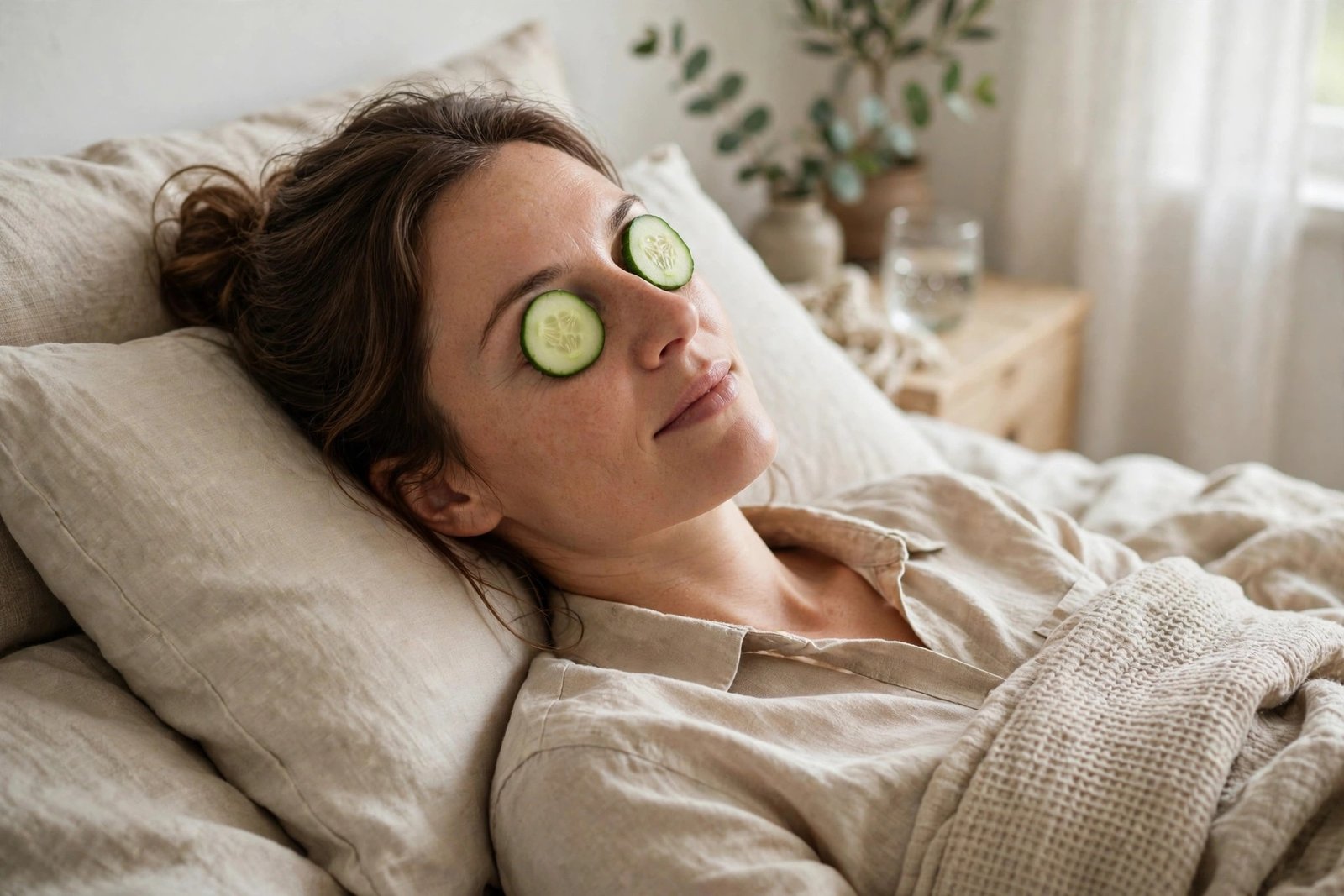
When dark circles come with puffiness, cold care often gives the fastest visible improvement. Cold constricts blood vessels slightly and helps fluid drain, which makes the under-eye area look flatter and brighter for a few hours. A chilled spoon, a cold gel eye mask, or a damp cloth kept in the fridge for ten minutes all work well. Apply the cold item gently for five to ten minutes in the morning, never pressing hard on the eye itself.
Cucumber slices are popular for the same reason: they are cool, soft, and easy to rest over closed eyes, though plain cold water works just as well. Learning how to reduce puffy eyes also means avoiding the habits that increase fluid, such as sleeping flat on your stomach, eating very salty food late at night, and rubbing the eyes. Cold care will not change pigmentation, but for morning puffiness it is simple, safe, and often surprisingly effective.

Dark Circles Home Remedies
Dark circles home remedies work best when they are gentle and regular. A cool compress in the morning, a soft massage with your ring finger around the eye bone, and a light, fragrance-free moisturizer can all help over time. The ring finger applies the least pressure, which matters for this delicate skin. Some people find chilled green tea bags soothing, since tea contains caffeine and antioxidants, but place them over closed eyes only briefly and stop if they irritate your skin.
Almond oil and vitamin E oil are often suggested online, yet they can irritate eyes or cause breakouts, so patch-test any oil on the jawline first and keep it away from the eye itself. Avoid harsh scrubs, lemon juice, and strong essential oils near the eyes entirely. Home remedies cannot change bone structure or deep genetic pigmentation, but they can improve circulation, hydration, and puffiness, which together make dark circles look softer.
Choosing an Under Eye Cream
An under eye cream can help, but only if you choose it for your cause and use it patiently. For pigmentation and dullness, look for vitamin C, niacinamide, or kojic acid, which help brighten skin gradually. Vitamin C for dark circles is popular because it supports collagen and brightens tone, though it must be in a gentle formula made for the eye area. For puffiness, caffeine eye creams can give a temporary tightening effect and are useful in the morning.
For dryness and fine lines, a cream with hyaluronic acid or ceramides keeps the area hydrated and smoother. Apply a tiny amount, about the size of a grain of rice for both eyes, with your ring finger, tapping gently along the bone rather than rubbing close to the lashes. Reading eye cream reviews before buying can help you compare textures and strengths, but remember that reviews reflect other people’s skin, not yours. Give a new cream at least four to six weeks before judging it.
Food, Water, and Daily Habits
What you eat and drink will not erase dark circles on its own, but it supports the skin around your eyes. Drinking enough water through the day helps prevent the dull, sunken look that dehydration can cause. A varied diet with fruit, vegetables, and iron-rich foods such as leafy greens, beans, and lean meat supports healthy blood and skin, and low iron is one reason some people notice darker under-eyes. Reducing very salty evening meals can lessen morning puffiness.
Sun protection matters here too: daily sunscreen, including a small amount carefully applied around the eye bone, helps prevent extra pigmentation from forming. Avoid rubbing your eyes, even when they itch, since repeated rubbing darkens the area and can damage delicate skin. Sunglasses outdoors protect the area further and stop you squinting, which deepens lines around the eyes over time. These habits are unglamorous, but they are the foundation every cream builds on.
Makeup That Hides Dark Circles Well
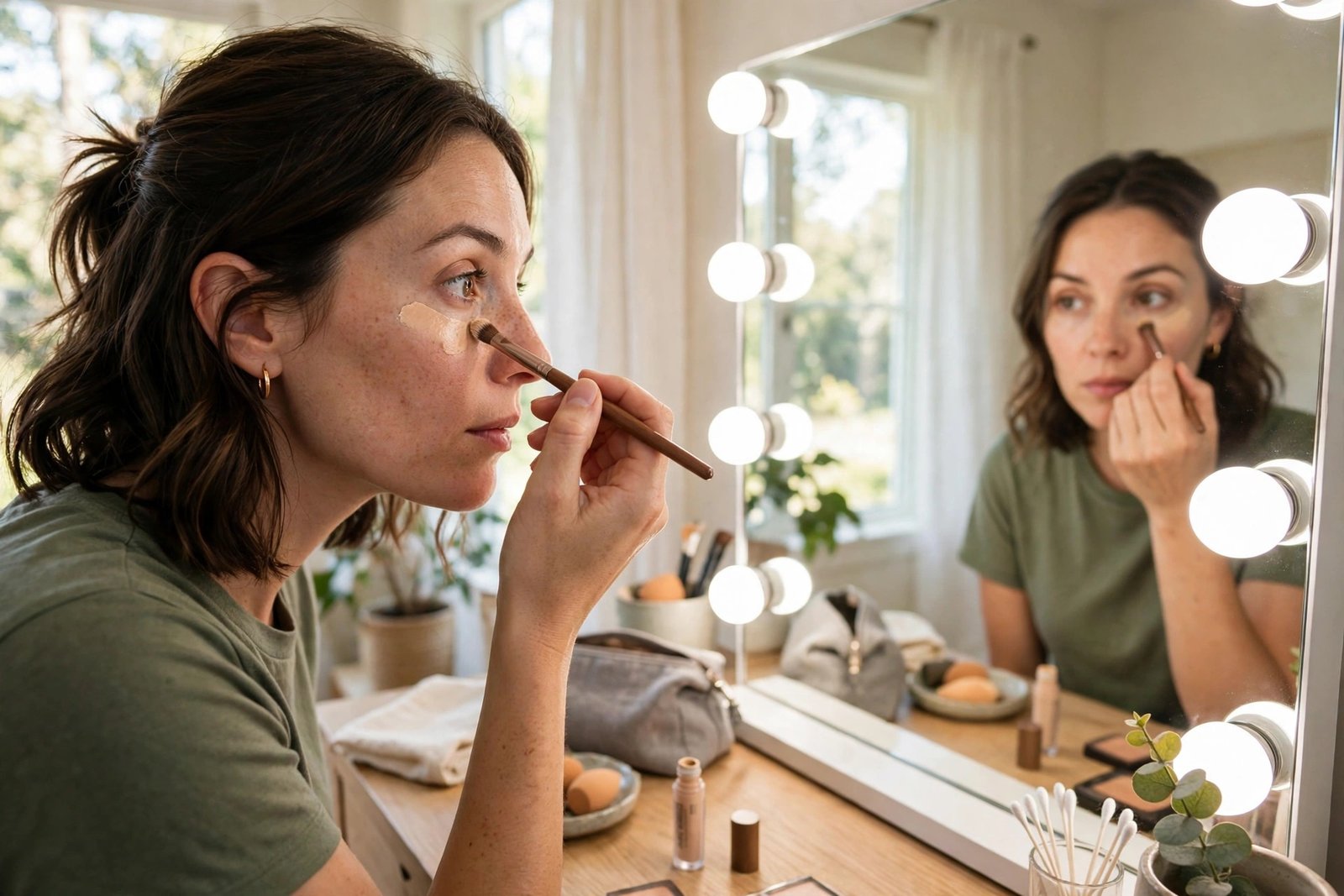
While longer-term care works, makeup offers immediate help, and the best concealer for dark circles is usually a shade close to your skin tone with a warm, peachy undertone for blue or purple shadows. Apply concealer only where the shadow actually is, usually in the inner corner and along the hollow, rather than painting a thick layer under the whole eye.
Pat it in with a fingertip or a damp sponge, and set it lightly with a small amount of translucent powder so it does not crease. A brightening eye cream or a light primer underneath helps concealer sit smoothly on dry skin. Avoid very light concealer, which can look grey on darker shadows, and avoid heavy layers that settle into fine lines by midday. Good makeup should look like rested skin, not like a mask. With practice, this takes under two minutes and can carry you through days when sleep or care routines have not yet caught up.

A Step-by-Step Morning Routine
A short morning routine for tired eyes treatment keeps care consistent without adding stress to your day. This medium-length guide takes about five minutes and suits most skin types.
Repeat this routine daily for at least a month before deciding whether it helps. Small steps that transform your sleeping habits, such as a regular bedtime and a dark bedroom, support this routine from the night side as well, and the two together work better than either alone.
What Does Not Work
It helps to know what to skip, so you do not waste money or irritate your eyes. Harsh bleaching creams, lemon juice, and toothpaste, all sometimes suggested online, can burn or inflame delicate under-eye skin. Very strong acids meant for the rest of the face are usually too harsh here. Expensive eye creams are not automatically better; many contain the same basic moisturizers as a good face cream, with a smaller tube and a higher price.
Sleeping with makeup on, rubbing the eyes hard, and using old, expired eye products can all make dark circles worse. If a remedy promises to remove dark circles overnight, treat that promise with suspicion. Real improvement in pigmentation and skin quality takes weeks, and puffiness that returns every morning usually needs a habit change, such as better sleep or less salt, rather than a new product.
Comparing Your Options
Different causes respond to different care, so the table above matches common situations to the most useful first steps. Use it to choose where to start, rather than trying everything at once.
If your situation matches more than one row, start with the simplest steps, such as sleep, cold care, and sunscreen, and add one targeted product at a time. To tailor your skincare routine well, keep brief notes on what you tried and how your eyes looked after a few weeks, so you can tell what actually helped.
When to Seek Professional Advice
Most dark circles are a cosmetic concern, but a few signs deserve professional attention. See a doctor if dark circles appear very suddenly, affect only one eye, come with swelling, pain, redness, or vision changes, or if you feel unusually tired, pale, or unwell alongside them. A doctor can check for allergies, low iron, thyroid problems, or other health issues that sometimes show up around the eyes.
A dermatologist can advise on pigmentation treatments, fillers for hollows, or prescription creams, and can tell you which options are safe for the delicate eye area. Bring a note of what you have already tried, since this saves time and avoids repeating products that did not suit you. Seeking advice is not a failure of home care; it is the sensible next step when simple care has not helped after a fair trial.
Keeping Results Over Time
Once dark circles look softer, the challenge is keeping the improvement. The habits that helped in the first place still matter: steady sleep, daily sunscreen, gentle eye care, and not rubbing the eyes. It is tempting to stop a routine once results appear, but pigmentation and puffiness often return within weeks if care stops completely. You do not need to keep every step forever. Keep the core habits, and simplify the rest to what you enjoy and can maintain.
Take a quick photo in the same light once a month if you want an honest record, since daily mirror checks make slow change hard to notice. If a new product or a change in health brings the shadows back, return to the basics first before buying something new. Consistency, more than intensity, is what keeps under-eyes looking rested over time.

FAQs
How long does it take to reduce dark circles?
Most gentle care takes two to six weeks to show a change, and pigmentation may need six to eight weeks. Puffiness often improves within days, especially with cold care and better sleep.
Are dark circles always caused by lack of sleep?
No. Sleep helps, but genetics, thin skin, pigmentation, allergies, and ageing also cause dark circles. That is why some people have them even after sleeping well.
Is eye cream necessary, or is moisturizer enough?
A plain moisturizer can be enough for dryness, but a targeted eye cream may help specific problems, such as puffiness or pigmentation, because it contains ingredients chosen for the eye area.
Can makeup damage the skin under my eyes?
Good makeup used gently should not damage it. Always remove makeup before bed, avoid rubbing during removal, and replace old concealer regularly to protect delicate skin.
When should I see a doctor about dark circles?
See a doctor if dark circles appear suddenly, affect one eye only, come with swelling, pain, or vision changes, or if you feel unusually tired or unwell alongside them.
Conclusion
Getting rid of dark circles is rarely about one miracle product. It is about understanding your cause, sleeping well, caring gently for the delicate eye area, protecting it from sun, and using makeup wisely while longer-term care takes effect. Start with the simplest steps, add one targeted product at a time, and give each change a few weeks to show its effect. With patience and consistency, most people see their under-eyes look brighter, smoother, and more rested, and that steady improvement is worth far more than any overnight promise.
This article is for general information only and is not medical, dermatological, or professional health advice. It does not involve guest posting, paid promotion, or advertising, and thestylesmagazine.com does not sell or endorse any product mentioned. Under-eye skin is delicate, so patch-test new products, stop any product that irritates your eyes, and consult a qualified health professional for personal advice or concerning symptoms.
Does this article help you? Explore our website The Styles Magazine to find more helpful and fun stories that could help you.
Spa Naturals Vitamin E Beauty Oil Es Bueno Para Acne: Does It Really Help?
