
Introduction
Thrifting is simply shopping for secondhand items, most often clothes, in charity shops, vintage stores, and resale shops. It can save money, reduce waste, and help you find pieces with character that high-street shops no longer sell. This guide explains how to thrift for beginners, from planning a visit to checking quality and caring for what you bring home. These thrift shopping tips cover the whole visit, from planning to care at home.
Thrifting means buying secondhand clothes and goods in thrift stores, choosing quality used items at low prices; thestylesmagazine.com only provides information about thrifting, nothing else.
Quick Guide
| Step | Do this | Why it helps |
|---|---|---|
| Plan | Make a short list | Stops impulse buys |
| Look | Check every rail slowly | Good pieces hide anywhere |
| Check | Seams, zips, stains | Avoids costly mistakes |
| Try | Try on or measure | Sizes vary a lot |
| Decide | Buy only what you love | Keeps your wardrobe useful |
Step-by-Step Guide
- Decide what you need before you go, and write a short list of gaps in your wardrobe.
- Visit when you have time, and look through each rail slowly, section by section.
- Hold up anything you like, and check the fabric, seams, zips, and buttons.
- Try it on, or measure it against a garment that fits you well.
- Buy it only if it fits, suits you, and fills a real gap in your wardrobe.
What Thrifting Is (and What It Is Not)
Thrifting means buying items that someone else has owned and passed on, usually through a charity shop or resale store. Most thrifted clothes are used, but some are new with tags, donated unworn or from shop stock. Prices are lower than new, and stock changes often, so no two visits are the same. That variety is part of the fun, and part of the challenge.
It is also not a quick way to copy a trend exactly, because you work with what is there. Think of it as treasure hunting with a purpose: you look for quality, fit, and pieces you will truly wear. If an item needs more repair than you can do, or does not suit you, leave it for someone else. The best thrifted wardrobe is built slowly, one good piece at a time.
Why Thrift? Money, Planet, and Style
The clearest reason to thrift is money. Good quality clothes, often from brands that cost far more new, can be found for a small part of the original price. That saving lets you try styles, colours, and fabrics without a large risk. Over time, those savings add up, and you can afford better fabrics and better-made pieces than a fast-fashion budget would allow new.
It gives clothes a longer life, which matters when so much clothing is worn only a few times. Style is the third reason: vintage cuts, older fabrics, and unusual details are hard to find new. A thrifted coat, dress, or bag can give an outfit a personal touch that looks nothing like everyone else’s. Together, saving money, wasting less, and dressing with more character make a strong case for trying it.
Where to Thrift: Shops, Sales, and Online
Charity shops are the easiest place to start, and most towns have several. Each shop has its own character: some sort clothes carefully, some are cheaper, and some receive better donations. Visit a few, and note which ones suit your taste and budget. Vintage stores cost more, but they often check and clean items, and they stock older or more unusual pieces.
Online thrifting is growing too, through resale apps and websites where people sell clothes they no longer wear. Online shopping lets you search by size, brand, and style, which saves time. Learning how to thrift shop online takes the same care as shopping in person, with extra attention to photos and measurements. Whether you shop in person or online, the same rule applies: know what you need, and check quality before you pay.
What to Look for in Quality Secondhand Clothes
Quality shows in fabric, stitching, and finish. Natural fabrics such as cotton, wool, linen, and silk usually age better than thin synthetics, and they feel better to wear. Hold the fabric up to the light: if it looks thin and worn, it may not last. Check seams for even stitching and no loose threads, and look at hems, cuffs, and collars, where wear shows first. Buttons should match and sit firmly, zips should run smoothly, and linings should be clean and whole. These small checks take seconds, and they separate a bargain from a waste of money.
Labels help, but they are not the whole story. A well-known brand does not guarantee a good piece, and an unknown label can hide excellent quality. Vintage thrift finds often have stronger stitching and better fabrics than cheap new clothes, which is why they survive to be sold again. When thrifting clothes, look for pieces that feel solid, hang well, and still look good after years of wear.
Checking Clothes Carefully Before You Buy
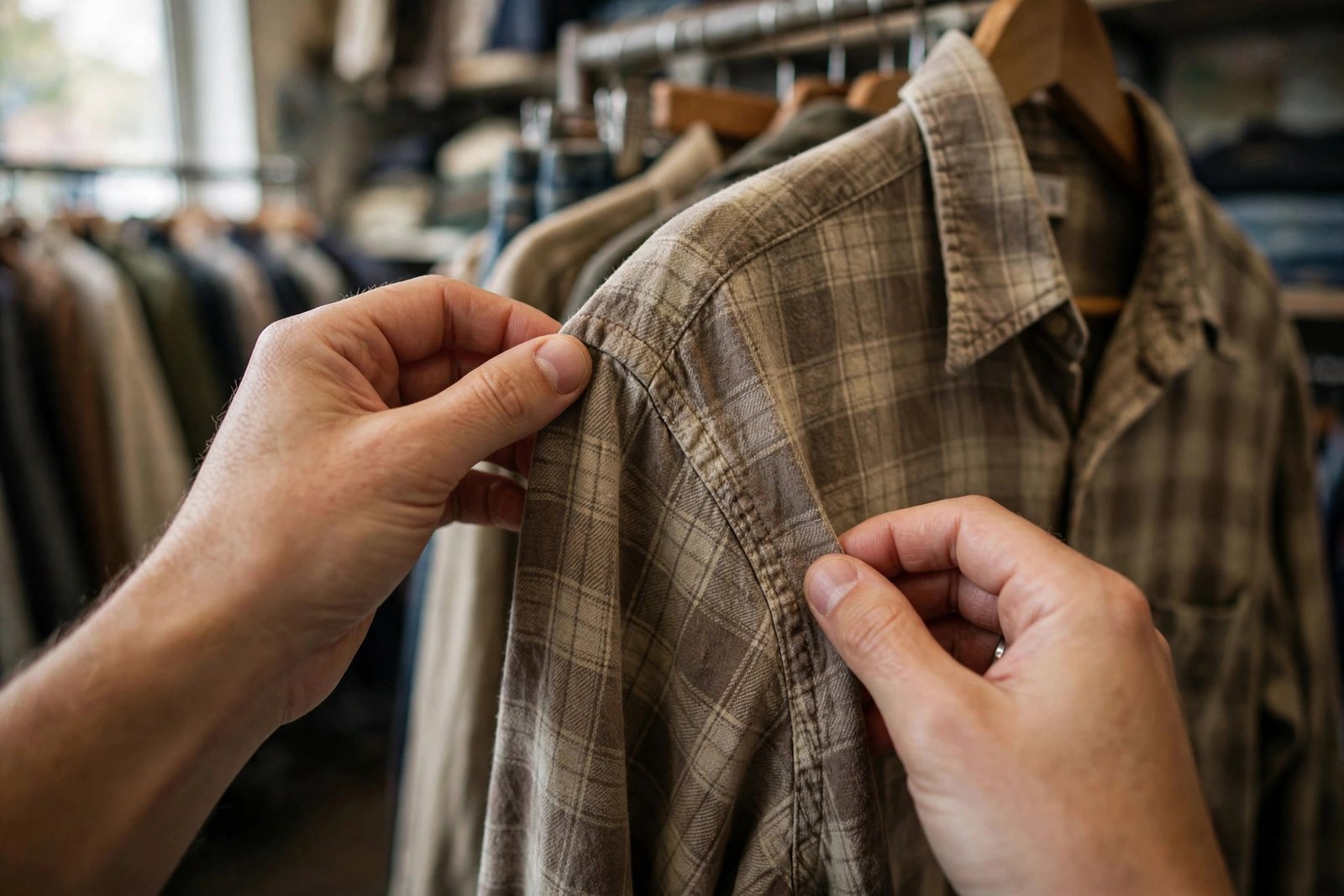
Before you buy, check the whole garment, front and back, in good light. Look for stains, especially under the arms, around the collar, and on light fabrics. Check for holes, tears, and worn patches, and test zips, buttons, and hooks. Smell the item too: a musty smell can often be washed out, but a strong chemical or smoke smell may not be worth the effort. If the shop has a changing room, use it. If not, hold the garment against yourself in a mirror, and compare its measurements with a garment you own that fits well.
Ask yourself whether a fault can be fixed easily and cheaply. A missing button is a small job. Buying vintage and antique jewellery needs the same careful check: look at clasps, settings, and wear, and ask about faults before you buy. With clothes, the same habit applies. These secondhand shopping tips apply to every item you consider, not just clothes.
Sizes, Fits, and Trying Things On
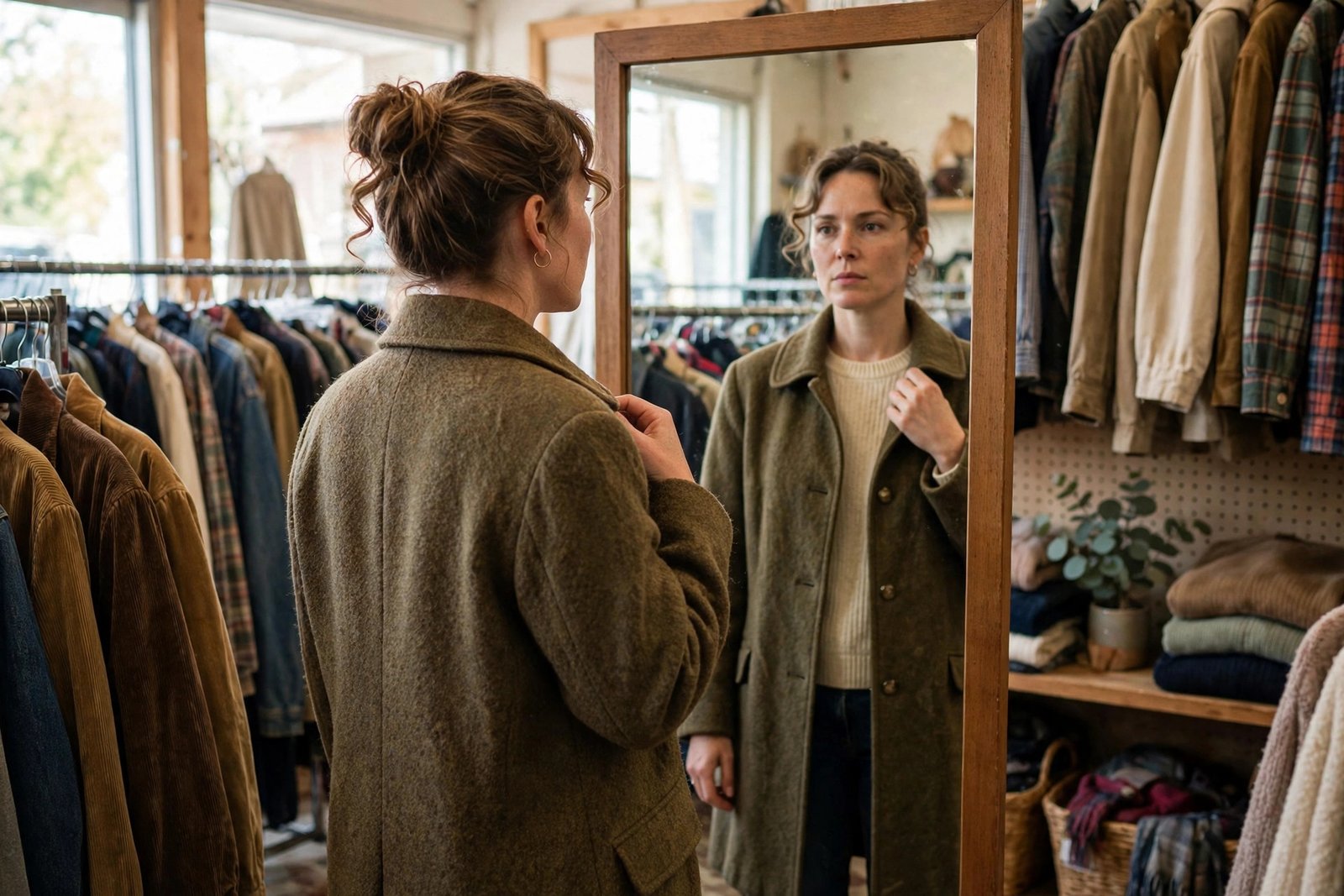
Secondhand sizes are unreliable, because sizing has changed over time and differs between brands and countries. A label that says size 12 may fit like a 10 or a 14, and vintage sizes often run smaller than modern ones. Ignore the label at first, and judge by the garment itself. Hold it up, check the shoulders, waist, and length, and compare it with a similar garment that fits you. If you can try it on, do so, and move in it: sit down, raise your arms, and walk a few steps. Comfort matters as much as appearance.
Bring a tape measure on early visits, and note your key measurements: chest, waist, hips, and the length you prefer for tops and trousers. Remember that some fabrics can be altered easily, such as taking in a waist or shortening a hem, while others cannot. A slightly large shirt can often be adjusted, but a jacket with shoulders that are too wide is hard to fix. When in doubt, choose the piece that fits your shoulders and length best, and leave the rest.
Thrifting for Home Goods and More
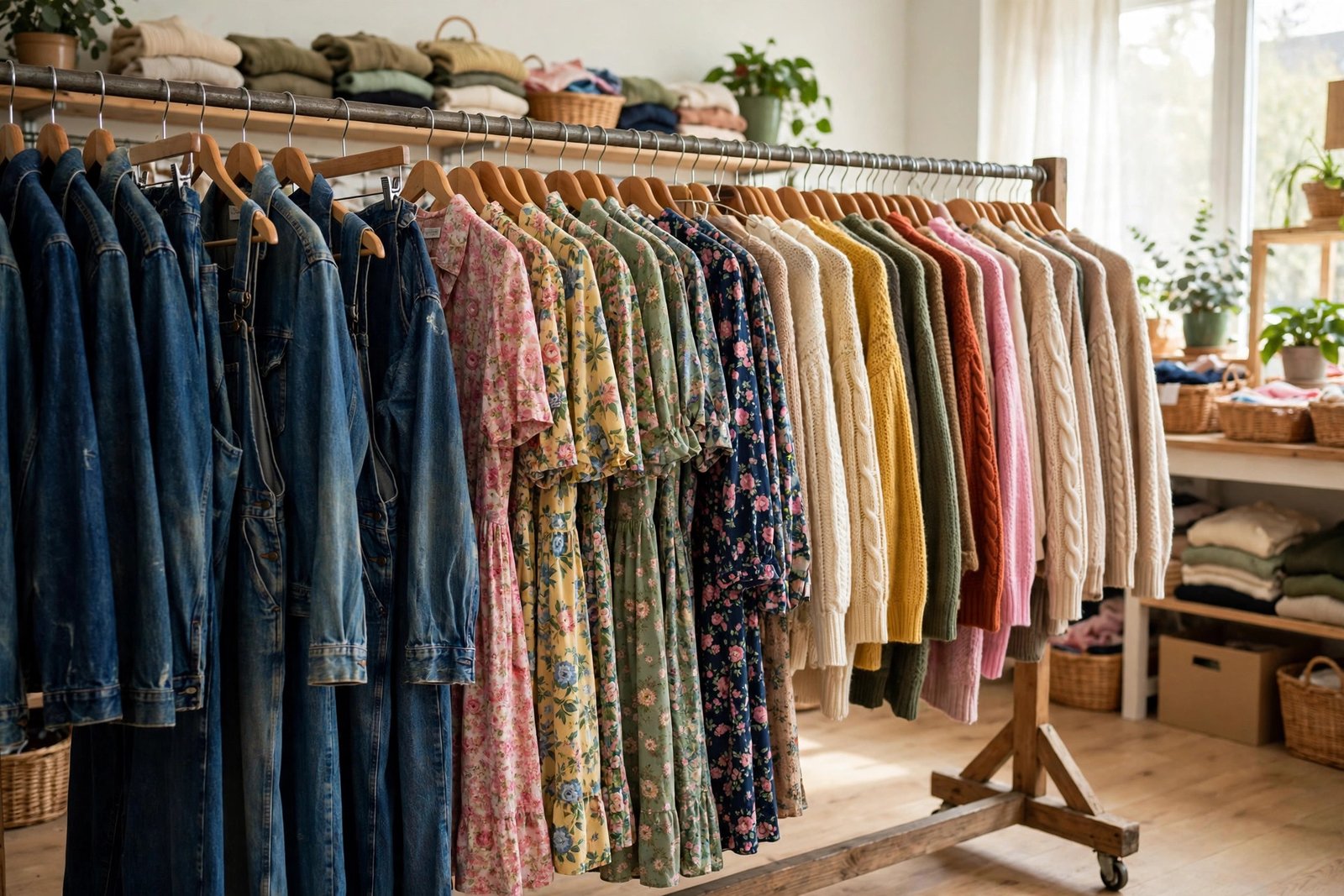
Some of the best thrift store finds are home goods, not clothes. Thrift stores sell more than clothes. You can find books, kitchenware, picture frames, baskets, lamps, and small furniture, often at very low prices. These items can add character to a home without a large cost. Check home goods as carefully as clothes: look for chips, cracks, missing parts, and signs of damage. Test electrical items only if the shop allows it and the item looks safe, and check that plugs, cords, and switches are in good condition. For kitchen items, make sure they are clean, complete, and safe to use with food.
Start with low-risk items, such as books, baskets, vases, and frames, while you learn what each shop stocks. A beautiful chair that does not fit through your door is not a bargain. Also consider the care an item needs: wood may need cleaning or polishing, and fabric items may need washing. Thrifted home goods work best when they fill a real need and suit your home, not when they are bought only because they are cheap. Buy with a place in mind, and your home will gain character without clutter.
Cleaning and Caring for Thrifted Finds
Wash or clean every thrifted item before you wear or use it. For clothes, follow the care label, and wash at the warmest safe temperature for the fabric. If a garment has no label, or you are unsure, wash it gently in cool water, or take it to a dry cleaner for advice. Air items outside after washing, as fresh air helps remove shop smells. For delicate fabrics, such as silk or wool, use a gentle cycle or hand wash, and dry flat to keep the shape. Check again after washing, as some faults only show once a garment is clean and dry.
For non-clothing finds, clean them well too. Wipe hard surfaces, wash kitchen items in hot soapy water, and polish wood and metal as needed. Store good pieces properly: hang jackets and dresses, fold knitwear, and keep shoes clean and aired. Good care makes a thrifted piece last, and it removes the main worry many beginners have about secondhand shopping. A clean, well-cared-for thrifted item is simply a good item, whatever its history.
Selling, Swapping, and Passing Clothes On
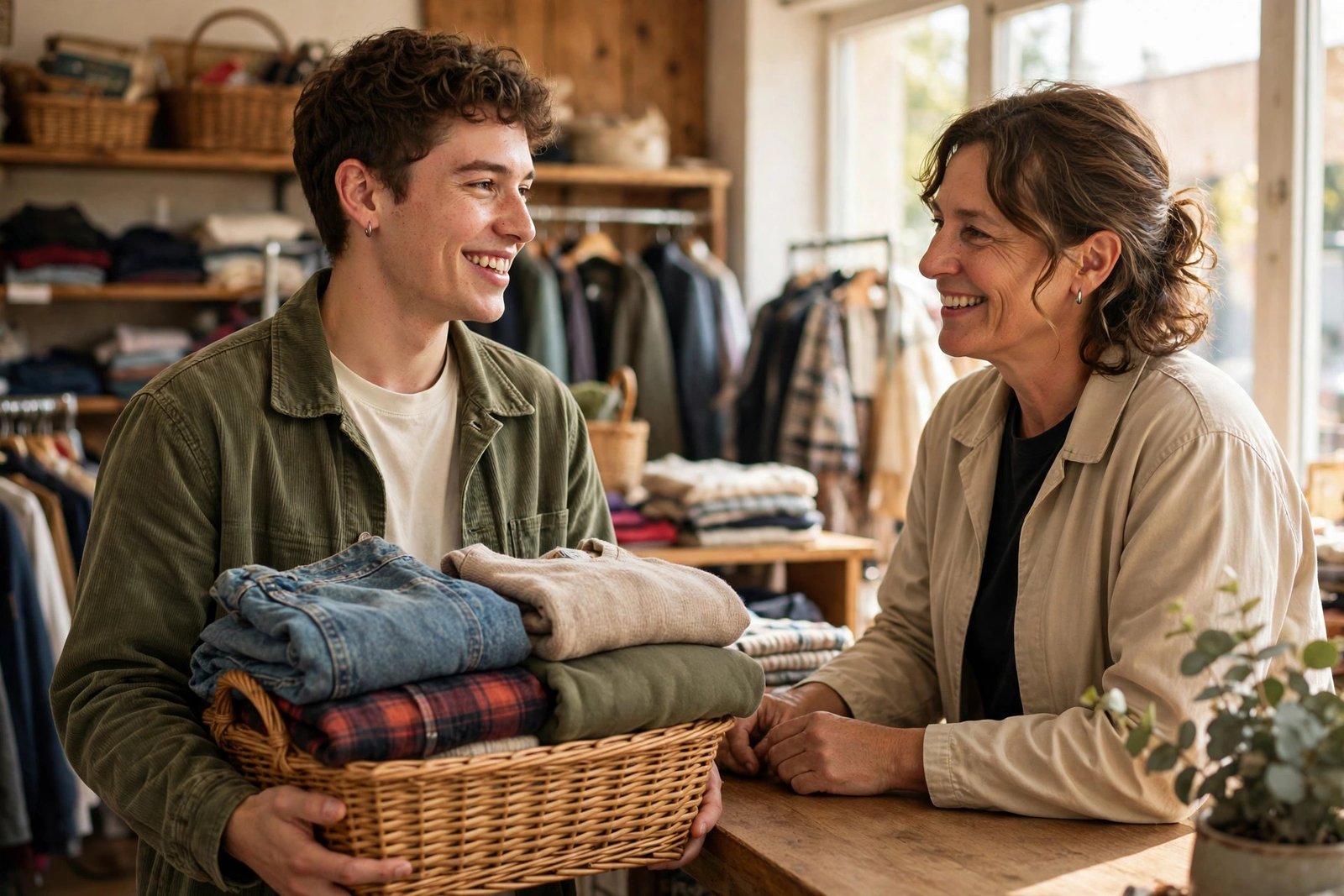
Thrifting works best as a cycle, not a one-way trip. When you no longer wear something, pass it on: donate it, swap it with friends, or sell it through a resale app or local sale. This keeps good clothes in use and makes room for pieces you will actually wear. Before you sell or donate, wash and repair items, and be honest about faults. A clean, honestly described item sells faster and helps the next buyer trust secondhand shopping.
Clothing swaps are a fun, low-cost way to refresh a wardrobe with friends. Each person brings clean, good-quality clothes they no longer wear, and everyone takes home something new to them. Leftovers go to charity. Selling works best for quality pieces in good condition, with clear photos and honest descriptions. Whether you donate, swap, or sell, the aim is the same: keep clothes moving, keep your wardrobe useful, and waste less.
Thrifting on a Budget: Setting Limits
A low price can make it easy to overspend, because each item feels cheap. Set a budget before you go, and take only that amount in cash if that helps you stick to it. Thrift haul ideas online can inspire, but they can also encourage buying too much. Use them for ideas about styles and shops, not as a target to match. A small haul of pieces you will wear often is better than a large haul that stays in the wardrobe.
Track what you spend and what you wear. After a month, check which thrifted pieces you reached for most, and which you ignored. That review teaches you what suits you and what to avoid next time. If you find yourself buying the same type of item again and again, pause and ask why. Budget thrifting is not about buying the most for the least money. It is about buying the right pieces, at low prices, and wearing them well.
Common Beginner Mistakes to Avoid
The most common beginner mistake is buying because an item is cheap, not because it is right. A low price does not make a poor fit, a bad colour, or a damaged garment into a good buy. The second mistake is buying too much at once, before you know which shops and styles suit you. Start with one or two visits and a few pieces, and learn from them. The third mistake is skipping the quality check, especially for zips, seams, and stains. A few seconds of checking at the shop saves money and disappointment later.
Another mistake is ignoring care needs. A garment that needs dry cleaning, special washing, or costly repair may cost more than a new item in the end. Always read the care label before you buy. If a piece does not fit, suit you, or fill a gap, pass it on. A tidy wardrobe with pieces you love is the goal, not a full wardrobe of bargains. Learn from each visit, keep notes on what worked, and your eye will get sharper with every trip.
Building a Wardrobe From Thrifted Pieces
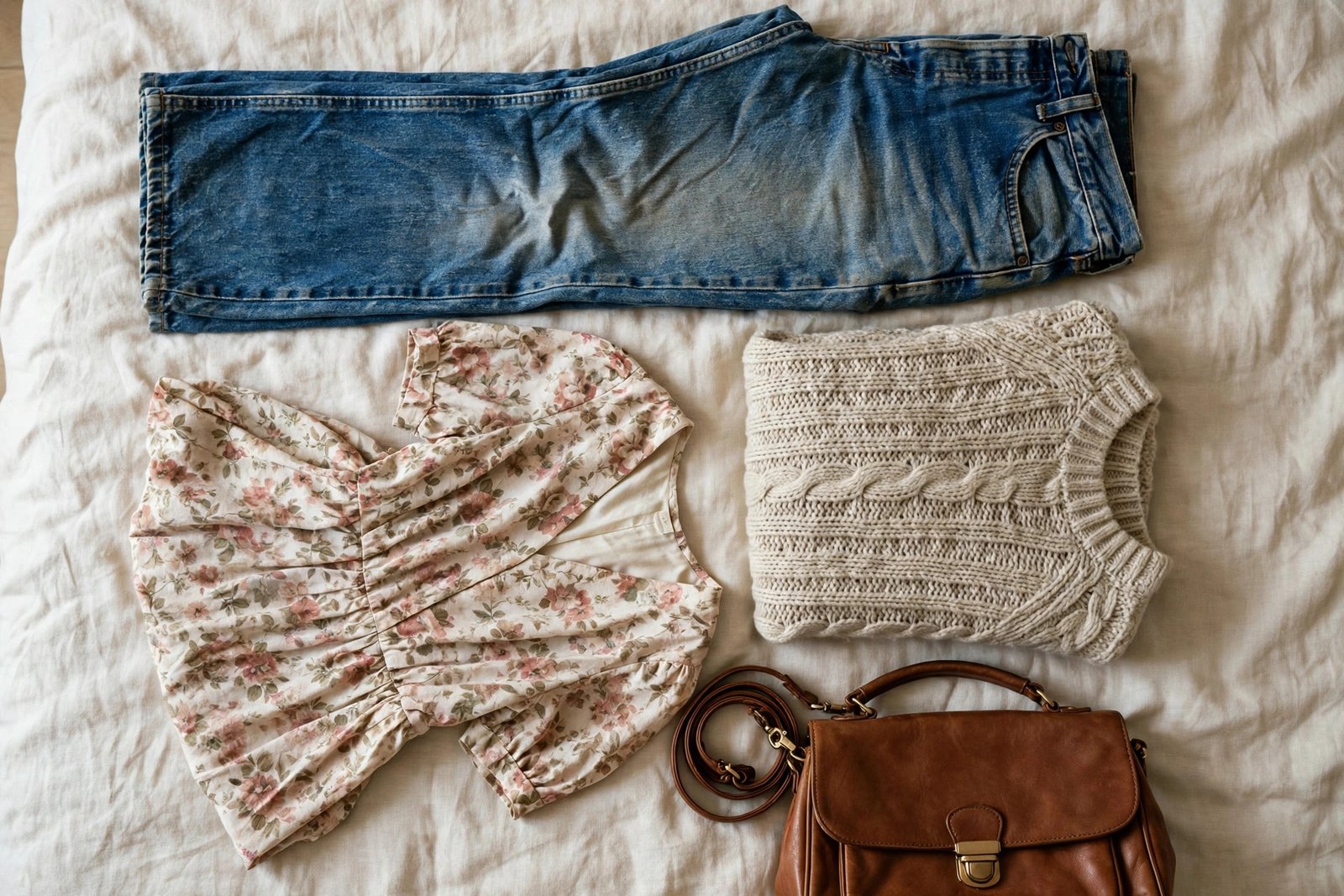
A thrifted wardrobe grows best around a few reliable basics. Start with good jeans, a plain white shirt, a smart jacket, and a versatile dress or pair of trousers, in colours that go together. Then add pieces with character: a vintage coat, a patterned shirt, or a quality knit. Thrifted pieces can be part of sustainable closet solutions when you buy only what you will wear and care for it well. Each new piece should go with at least two or three pieces you already own, so your wardrobe stays useful and not just full.
Balance is important. If most of your thrifted finds are statement pieces, add plain basics to ground them. If most are basics, add one or two pieces with colour or pattern. That is the real reward of thrifting: a wardrobe that is personal, affordable, and built to last.
FAQs
Is thrifting cheaper than buying new clothes?
Usually, yes. Thrifted clothes often cost a small part of the new price, especially quality brands. The saving is greatest when you buy pieces you will wear often and check quality carefully before you pay.
How do I start thrifting if I have never done it before?
Start with a short list of what you need, visit a charity shop when you have time, and check each rail slowly. Check fabric, seams, and fit, try items on, and buy only what fills a real gap.
How can I tell if a thrifted item is good quality?
Check the fabric, stitching, hems, buttons, and zips, and look for stains, holes, and wear. Natural fabrics and neat, even stitching usually last longer, and a good piece should look like it has years left in it.
Should I wash thrifted clothes before wearing them?
Yes, always wash or clean thrifted clothes before wearing them, following the care label. Wash at the warmest safe temperature, air them outside, and check again once they are clean and dry.
Can I thrift online safely?
Yes, if you read descriptions carefully, check photos, and ask about measurements and faults. Start with small, low-cost buys, use trusted sellers, and remember that you cannot try items on before they arrive.
Conclusion
Thrifting is a skill that grows with practice. Start with a plan, look slowly, check quality, and buy only what fits and fills a real gap. You will save money, waste less, and find pieces with a character that new shops rarely offer. With time, you will know your best shops, your best sizes, and the styles that suit you. Visit one shop this week with a short list and an open mind, and see what you find. The best thrifted pieces are often the ones you were not expecting.
Disclaimer: This article is provided for general information only and is not professional advice. It does not involve guest posting, paid promotion, or advertising, and thestylesmagazine.com does not sell or endorse any product mentioned. Results vary from person to person, so consider speaking with a qualified professional if you need advice about safety, electrical items, or a specific personal need.
Does this article help you? Explore our website The Styles Magazine to find more helpful and fun stories that could help you.
