
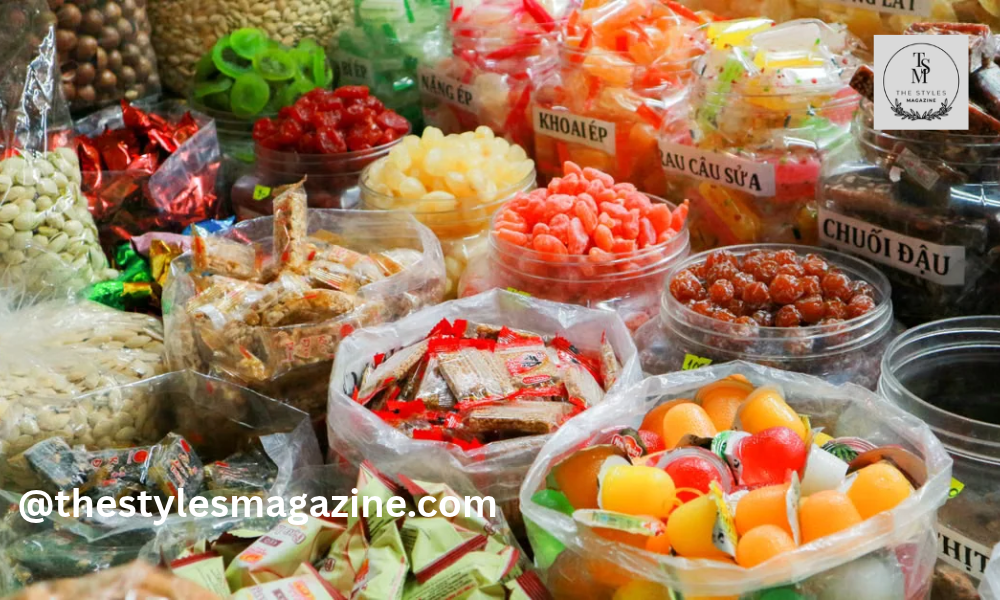
A short video can make an unfamiliar candy feel irresistible before anyone has tasted it. A chocolate shell cracks to reveal a vivid filling, or a gummy peels apart to expose a softer center. For snack-curious shoppers in 2026, those little moments can be an invitation to explore flavors and textures beyond the usual convenience-store choices. The trick is knowing what looks exciting on a screen, what might suit a particular palate, and what to check before ordering a treat from farther afield.
Why Global Flavors Feel Like an Easy Adventure
Trying a new snack is a small way to step outside a routine. The familiar shape of a biscuit stick, chocolate bar, or gummy offers a starting point, while an unexpected flavor or texture supplies the surprise. A shopper does not need to plan an elaborate meal to discover that a fruit candy tastes tangier than expected or that a crisp filling changes the experience of chocolate. That mix of familiarity and novelty helps explain why rare snack flavors can spark curiosity even among people who would normally reach for the same favorite candy.
Social media gives that curiosity a nudge. Mintel’s research on multisensory snacks found that 30% of U.S. snack consumers ages 18 to 44 say social media influences which snacks they try. It also found that 28% of U.S. buyers of non-chocolate candy would be interested in international flavors. Those figures do not mean every viral sweet will become a lasting favorite; they show that discovery through a feed and curiosity about global confectionery can meet at the same shopping moment.
From Dubai Chocolate to Texture-First Treats
Dubai chocolate shows why a snack can be especially compelling on camera. Its appeal is easy to see and hear: a chocolate shell gives way to a rich filling with a distinctive crunch. The Associated Press reported that the craze had spread beyond the original bar into other sweets. For a viewer, the first attraction may be the satisfying break in a video; for someone tasting it, the question is whether the combination of chocolate, filling, and crispness delivers on that expectation.
Other treats invite the same kind of close attention in different ways. A freeze-dried candy promises a different bite from its chewy counterpart, while a peelable gummy turns eating into a small hands-on activity. Even the idea of an unfamiliar Oreo flavor can prompt a closer look at how a recognizable cookie changes with a new filling. Color and texture help these snacks stand out in a fast-moving feed, but a memorable clip is only a starting point. The most enjoyable discovery is often a flavor or mouthfeel someone wants to return to after the novelty has worn off.
A Better Way to Shop for Rare Snacks Online
When looking for the best online exotic snacks, shoppers can compare specific options in SmokeToki’s exotic-candy collection, which sits alongside the retailer’s technical-accessory categories. The candy selection includes Pocky biscuit sticks, Hi-Chew sweets, and Amos Peelerz gummies. Seeing names and varieties together can make a search more focused: someone interested in fruit flavors can look beyond a viral chocolate bar, while someone drawn to texture can compare a crisp biscuit with a peelable gummy. A digital storefront offers that room to browse without depending solely on what a nearby general store happens to stock.
That convenience does not make every online listing equally informative, or every local shop less useful. A good specialty store may let customers examine a package in person and ask questions on the spot. Online, it pays to read the exact product name and variety rather than assuming that every item under a familiar brand tastes the same. Check the size and product description, and look for ingredient and allergen information that fits the item being considered. For a food allergy or other dietary restriction, a tempting photo is never a substitute for the relevant package information.
Imported treats deserve the same practical attention as any other food purchase. Before ordering, look for clear product details and a seller whose information makes it possible to identify what is being sold. For imported snacks, look for distributors that explicitly guarantee freshness and authenticity. Once an order arrives, inspect the seal and packaging, read the date printed on the product, and follow its storage directions. Anyone concerned about a specific item can check official food-recall notices using the brand name and other identifying details on the pack. These steps cannot predict whether a candy will taste good, but they help turn international candy delivery into a more considered choice than simply buying whatever appeared in a video.
Make a Tasting Feel Like a Small Ritual
A handful of new sweets is more interesting when each one gets a moment of its own. Start with a small piece and notice the first impression: is it tart, creamy, floral, or more intensely sweet than expected? Then pay attention to what happens after the first bite. A wafer may stay crisp under its coating, while a gummy may shift from a firm outer layer to a softer center. Trying several items at once can blur those differences; a pause between tastes makes it easier to decide what is genuinely enjoyable.
Pairings can add another layer without making the occasion complicated. A salty bite next to chocolate may sharpen the contrast, while a plain drink can reset the palate between fruit candies. Mintel found that, among U.S. consumers who had bought chocolate, 40% paired it with a salty snack and 38% consumed it with a drink. Those are familiar ways to make a tasting more social, whether snacks are set out for friends or enjoyed during an evening spent on another hobby. Someone who collects or tinkers with technical gear may find that a few carefully chosen treats make a break from the workbench more enjoyable; the candy remains the focus, rather than an accessory to the equipment.
For a casual gathering, presentation can be as simple as separating the sweets so everyone knows which flavor they are trying. The same relaxed approach that makes small party bites inviting works for candy, too: offer a little variety and leave room for conversation. Comparing reactions is part of the fun. One person may love a pronounced fruit flavor, while another remembers the unexpected crunch of a chocolate filling.
Choose Curiosity Over the Hype
The most useful question after a viral snack video is not whether everyone else likes the treat. It is which part of it looks appealing: the flavor, the texture, or the pleasure of trying something unfamiliar. For a first taste test, choose one recognizable sweet and one variation that changes a single feature, such as a fruit flavor or a crisp filling. That simple comparison gives the new snack a fair chance without turning a moment of curiosity into an oversized order.
Keep track of the surprises, including the ones that do not live up to the clip. A candy can be visually striking yet sweeter than expected; a quieter-looking biscuit might become the favorite. Global snack exploration is most rewarding when the choice belongs to the person doing the tasting, not to the algorithm that introduced it. Read the product details, start small, and let the next discovery follow what actually tastes good.
Does this article help you? Explore our website The Styles Magazine to find more helpful and fun stories that could help you.
Discover The Unique Stone Fruit With A Large Flat Pit NYT: A Journey Into Mangoes And More
