
A small bathroom can feel cramped, dark, and hard to keep tidy, but size is not the whole story. Good design, clear storage, and light colours can make a tiny room feel larger, brighter, and calmer. Small bathroom design ideas work by using every centimetre well, keeping surfaces clear, and choosing fixtures that fit the room. This guide covers layouts, storage, vanities, showers, mirrors, and decor, with budget options and care tips.
Small bathroom ideas are design and storage plans that make a tiny bathroom feel larger, brighter, and easier to use; thestylesmagazine.com only provides information about small bathroom ideas, nothing else.
Quick Guide
| Problem | Fix | Cost |
|---|---|---|
| Feels dark | Light colours + mirror | Low |
| No storage | Shelves + baskets | Low |
| Cramped shower | Glass door, corner shower | Medium |
| Cluttered surfaces | Tray + cabinet | Low |
| Feels dated | New taps + paint | Medium |
Step-by-Step Guide
- Measure the room, including doors, windows, and the space each fixture needs.
- Decide the layout: keep plumbing where it is if you can, to save cost.
- Choose light colours, a large mirror, and fixtures sized for the room.
- Add storage that uses walls and vertical space, not floor space.
- Finish with simple decor, good lighting, and a cleaning routine.
Start With Light, Colour, and a Clear View
Light and colour decide how large a small bathroom feels. Light colours — white, pale grey, soft blue, and warm cream — reflect light and make walls feel further apart. Use one main colour for walls and tiles, with a second colour for accents, such as towels or a plant.
Keep the view clear when you enter the room. Avoid tall furniture or storage that blocks the sightline from the door to the far wall. A clear floor, with as little as possible sitting on it, makes the room feel larger. Use wall-hung fixtures where you can, so more floor is visible. A small bathroom that is light, clear, and simply coloured will feel larger than its true size.
Layouts That Make Every Centimetre Count
Tiny bathroom ideas start with layout, because the position of each fixture decides how the room feels and works. Keep the toilet, basin, and shower or bath in positions that leave a clear path to move. Measure the swing of doors and the space needed to use each fixture comfortably.
Small bathroom layout ideas often keep plumbing in the same place, as moving pipes and drains is costly. If you must move a fixture, move only one, and keep the rest where they are. Use a scale drawing, on paper or with a simple planning tool, to test layouts before you buy anything. Mark the space needed to stand at the basin, sit on the toilet, and step out of the shower. Plan for movement first, and style second, and the room will work well.
Storage That Hides Clutter and Saves Space
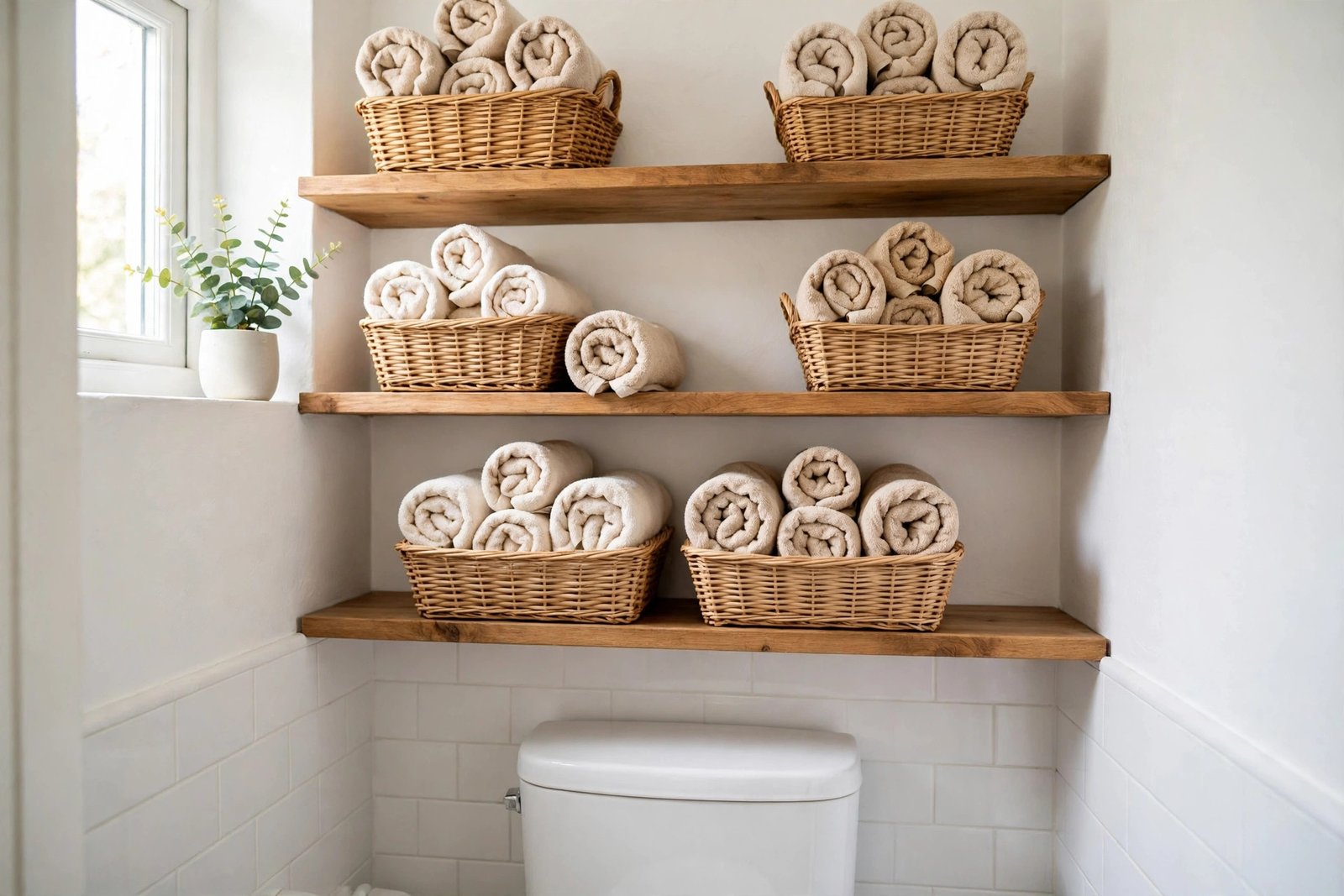
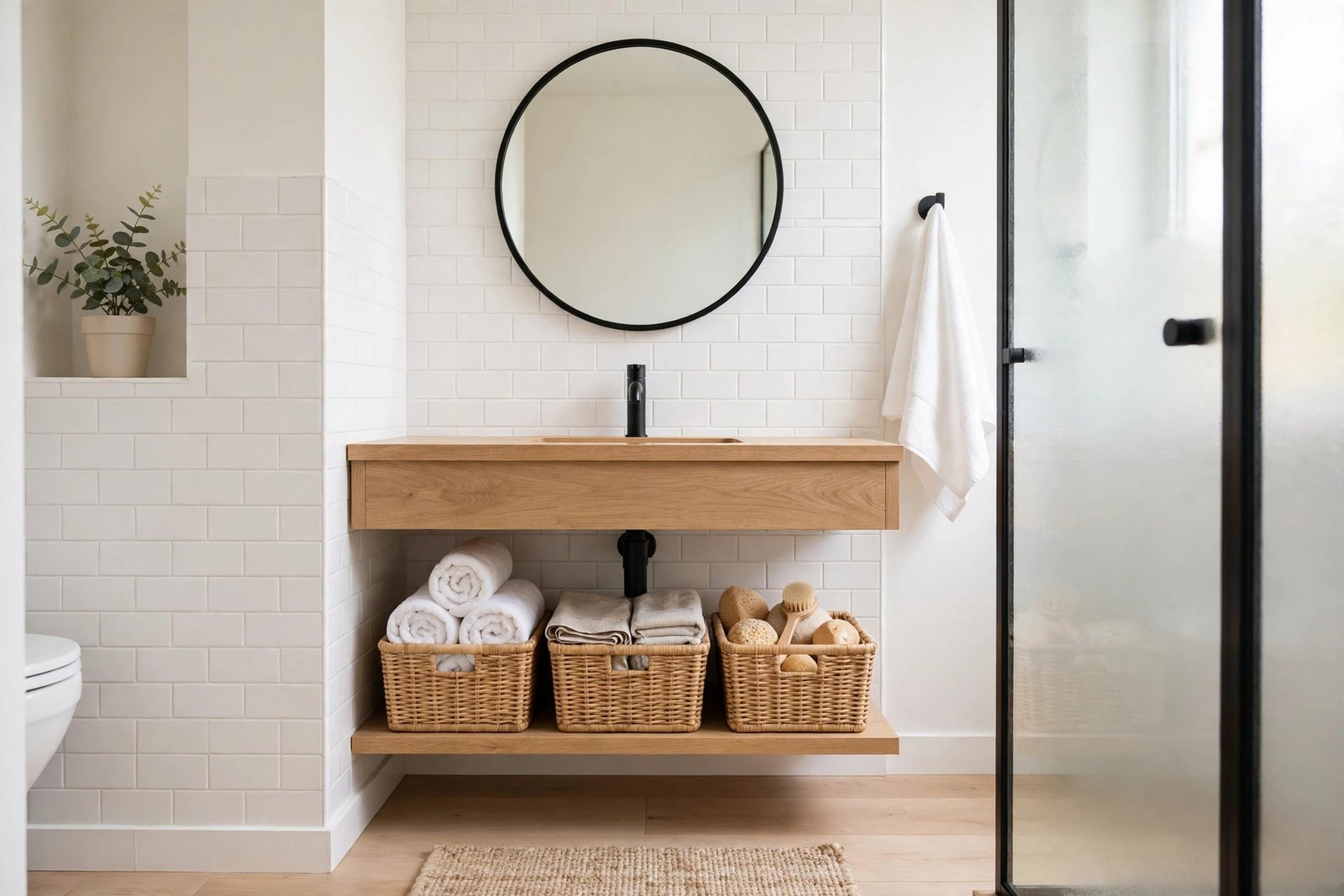
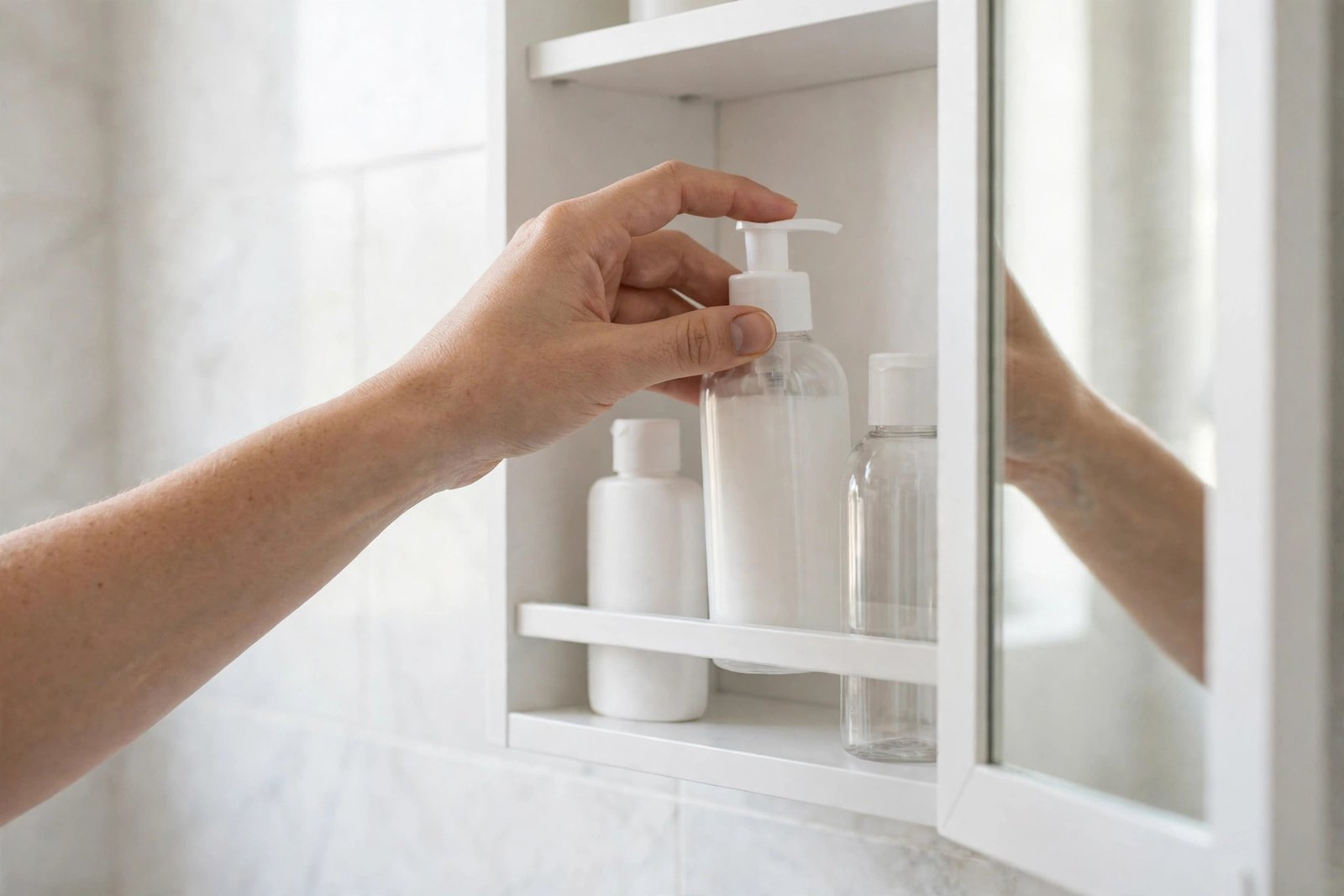
Small bathroom storage ideas use walls, doors, and vertical space, not the floor. Open shelves above the toilet, a slim cabinet beside the mirror, and hooks on the door all add storage without taking floor space. Use baskets and boxes to group items: one for hair care, one for skincare, one for cleaning supplies. Keep daily items at hand level, and store spare stock higher up. A mirrored cabinet is especially useful, as it stores items and reflects light at the same time. Choose storage that closes, so clutter is hidden and the room looks calm.
Keep surfaces as clear as you can. Check storage regularly, and remove empty bottles, expired products, and items you no longer use. A small bathroom with calm, closed storage feels larger and cleaner than a room with many open shelves full of products. Storage should serve the room, not fill it.
Showers, Baths, and Wet Areas in Small Rooms
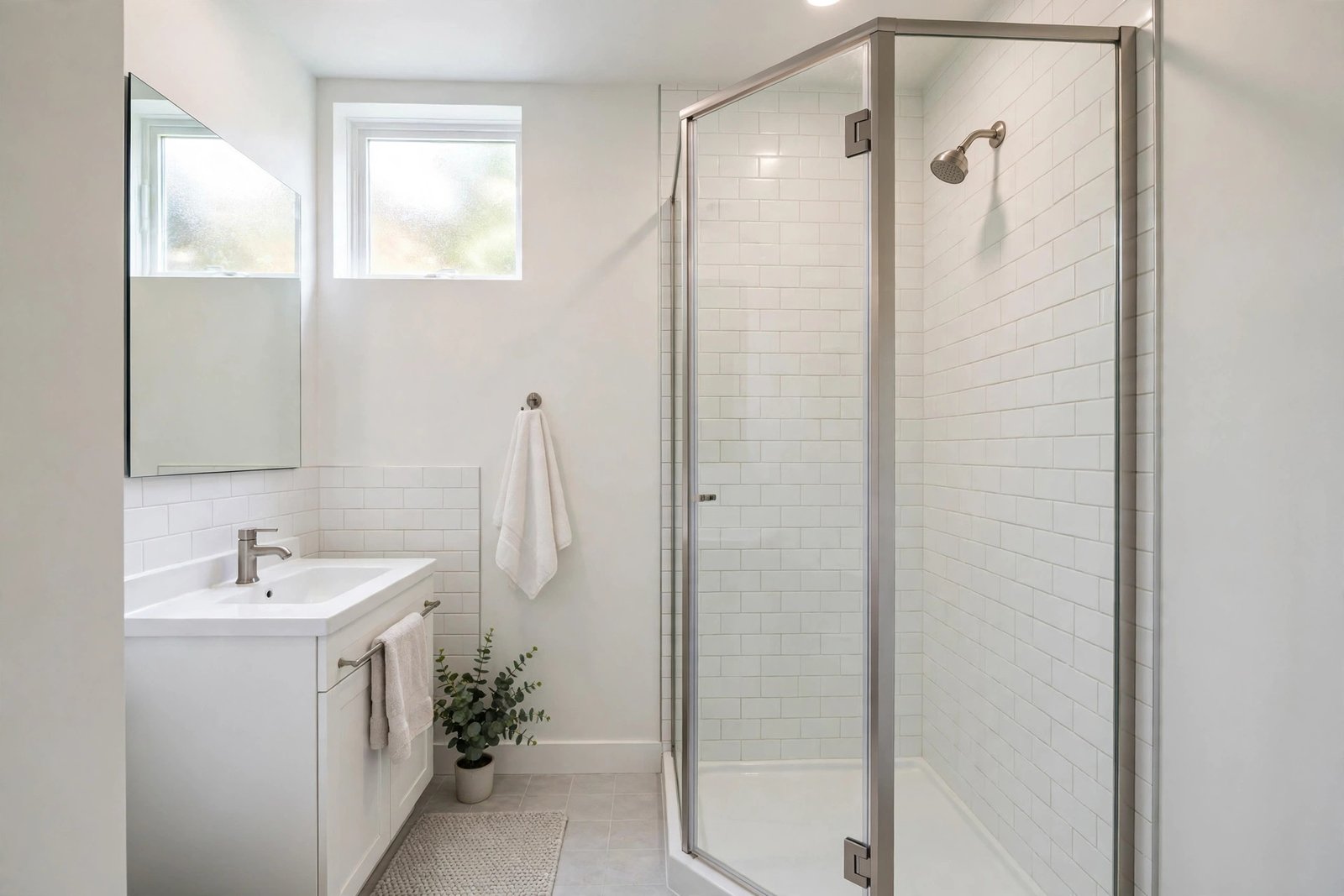
A shower usually suits a small bathroom better than a bath, as it takes less floor space and feels more open. A walk-in shower with a glass screen, or a corner shower with a curved door, keeps the room feeling spacious. Clear glass is better than frosted glass or a curtain, as it lets light through and shows more of the room. Use large tiles, with few grout lines, on shower walls, as they make the area feel larger and are easier to clean. Keep the shower floor clear, with bottles stored in a niche or on a small shelf, not on the floor.
If you love baths, a compact bath or a shower over a bath can work in a small room, but measure carefully. A bath that leaves no room to move or dry off will feel cramped, however nice it looks. Whatever you choose, plan drainage and ventilation well, as damp causes damage in small rooms. An extractor fan, used during and after showers, keeps the room dry and fresh. A wet area that is well planned, well lit, and easy to clean will serve a small bathroom for years.
Vanities, Basins, and Taps That Fit Well
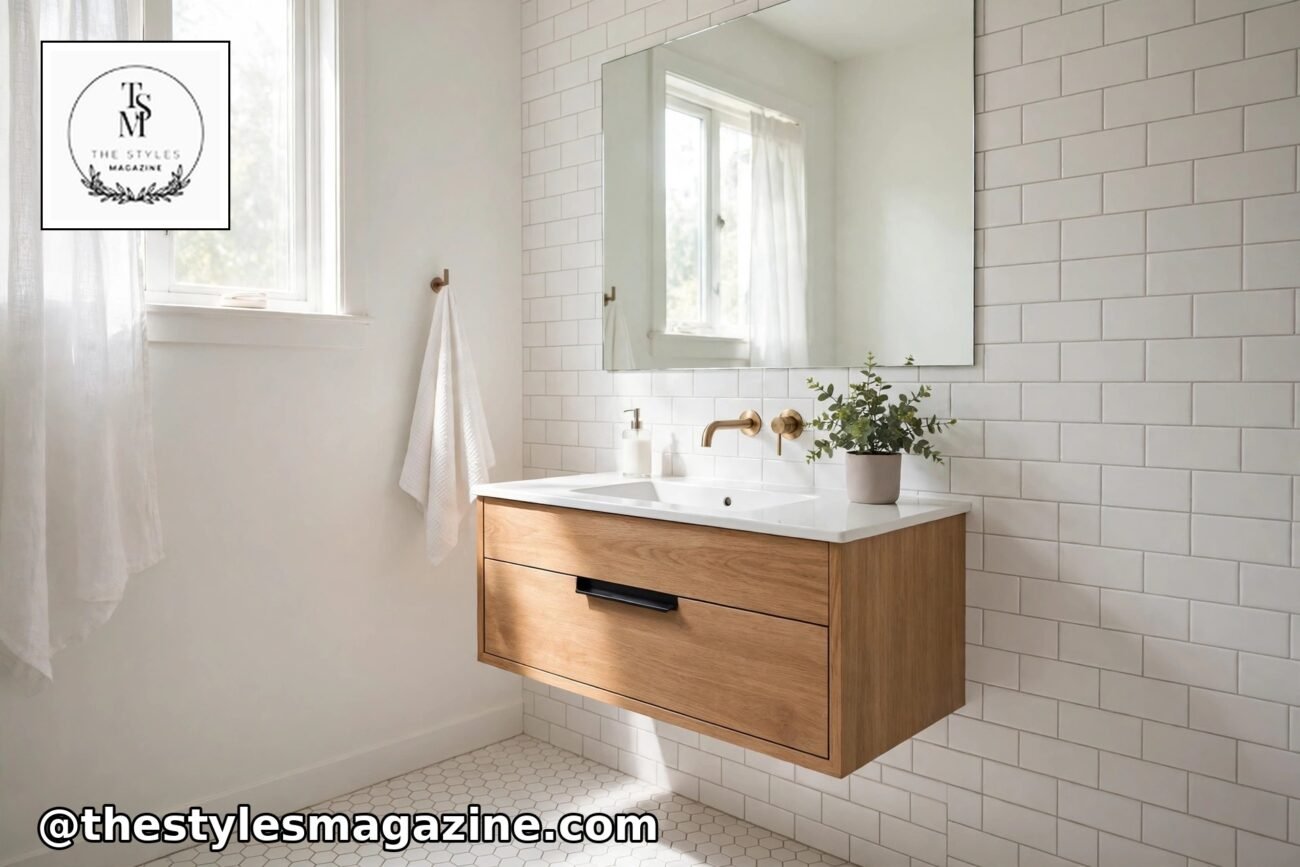
Small bathroom vanity ideas centre on size, storage, and how the unit meets the wall. A wall-hung vanity leaves floor visible beneath it, which makes the room feel larger, and it makes cleaning the floor easier. A slim vanity, with a basin on top and drawers below, stores daily items without taking much floor space. Measure the vanity, the basin, and the space in front of it, so doors and drawers can open fully.
Choose taps and basins that suit the scale of the room. A tall tap over a shallow basin can splash, while a small tap over a deep basin can feel cramped. Wall-mounted taps save counter space and look neat, but they need plumbing in the wall, which adds cost.
Decor That Adds Character Without Clutter
Small bathroom decor ideas add personality without filling the room. A plant that likes humidity, such as a fern or a pothos, adds life and softens hard tiles. Keep decor away from water, and choose items that are easy to wipe clean, as bathrooms are damp places.
Avoid too many small items on surfaces, as they make a small room look cluttered. Group decor in one place, such as a shelf or a windowsill, and leave other surfaces clear. Use a single scent, such as a reed diffuser or a small candle, kept safely away from water and towels. Art should be framed and hung securely, away from direct splashes. A small bathroom with a few well-chosen details feels personal and cared for, while a room full of ornaments feels cramped. Less decor, chosen well, always works better in a small space.
Remodelling a Small Bathroom on a Budget
Small bathroom remodel ideas can be affordable when you keep the layout and change only what matters most. Painting walls, replacing taps, adding a large mirror, and changing light fittings can transform a room for a modest cost. Replacing a shower curtain with a glass screen, or a bulky vanity with a slim wall-hung unit, makes a bigger difference, but costs more. Keep plumbing and electrics where they are, as moving them is the most expensive part of a remodel.
Plan the budget before you start, including a reserve for surprises, such as damaged pipes or tiles behind old fittings. Buy fixtures and tiles before work begins, so the job is not delayed. If you do some work yourself, such as painting or fitting shelves, leave plumbing, electrics, and waterproofing to qualified tradespeople. A small remodel, done in stages, can spread the cost: paint and mirror first, then vanity, then shower. With careful planning, a small bathroom can be transformed without a large budget, and the result will feel fresh for years.
Powder Rooms and Guest Bathrooms That Impress
Small powder room ideas suit rooms used mainly by guests, where a toilet and basin are enough. A powder room can be bolder than a family bathroom, as guests use it briefly. A dark paint colour, a patterned wallpaper, or a striking mirror can make a small powder room feel special, not cramped. Keep the space simple: a basin, a mirror, a towel ring, and a small shelf or basket. Check that the door locks, the light works, and there is space to wash hands comfortably.
Guest bathrooms need clear, simple storage too. Keep spare towels, soap, and toilet paper where guests can find them, without opening cupboards. A small basket with essentials, on a shelf or beside the basin, works well. Keep personal items out of a guest bathroom, so it feels clean and neutral. If the powder room is very small, use a wall-hung basin, a large mirror, and light colours to keep it feeling open. A powder room that is clean, well-lit, and simply decorated will impress guests far more than a large, cluttered bathroom.
Mirrors, Glass, and Tricks That Add Space
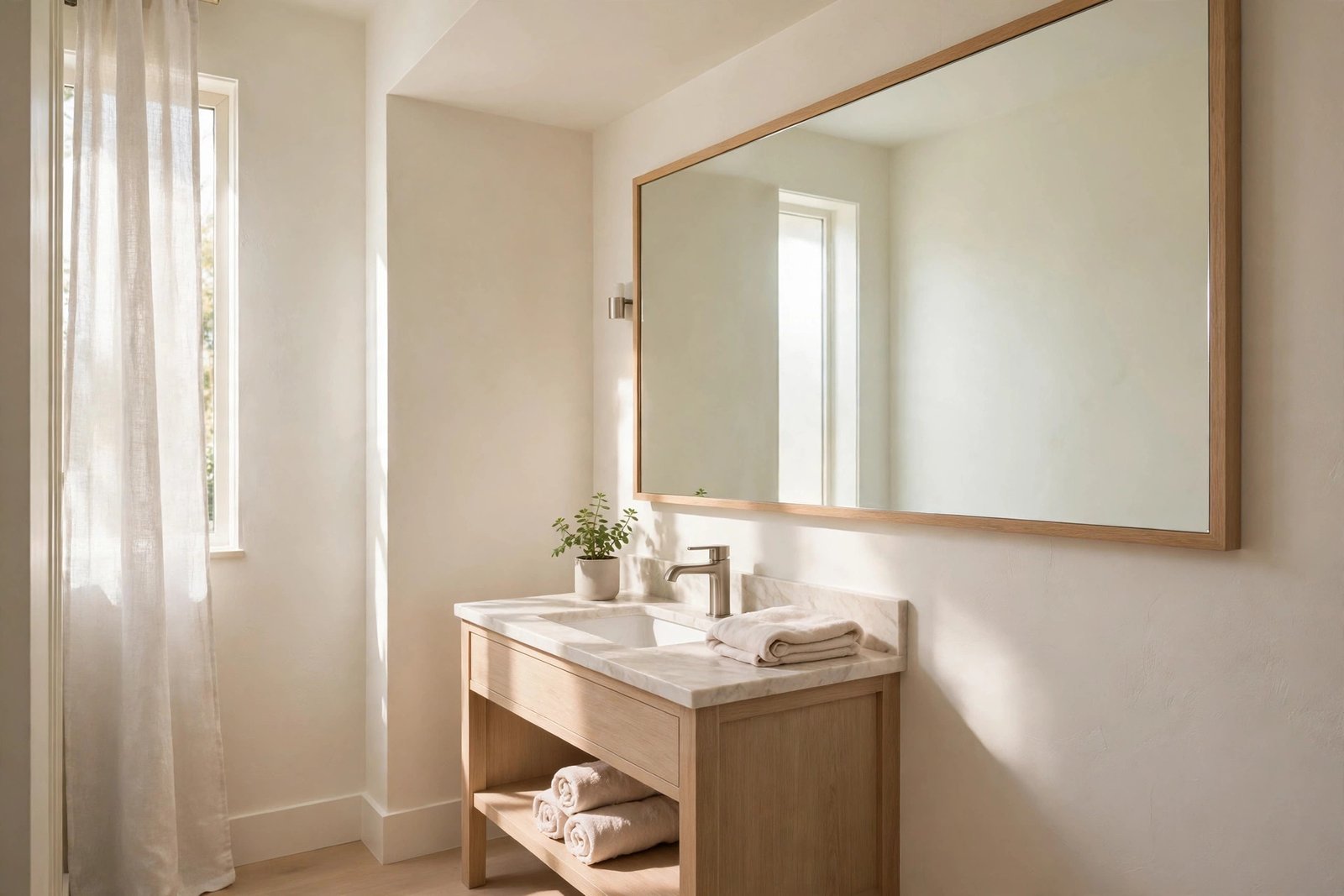
Mirrors are the simplest trick for making a small bathroom feel larger. A large mirror, covering most of the wall above the basin, reflects light and doubles the sense of space. A mirrored cabinet gives the same effect, plus storage. Use one large mirror, rather than several small ones, as a single clear reflection feels calmer. Place the mirror where it reflects a window or a light wall, not a blank wall or a toilet, for the best effect.
Glass also adds space. A glass shower screen, glass shelves, and clear containers let light through and keep the room feeling open. Avoid heavy shower curtains in dark colours, which cut the room in half visually. Use large tiles, with matching grout, to reduce visual breaks on walls and floors. A continuous floor, with no change in material, makes the room feel larger. These tricks do not change the size of the room, but they change how large it feels, and that difference matters every day.
Cleaning and Care for a Small Bathroom
A small bathroom is easier to clean than a large one, if it is kept tidy and well ventilated. Learning how to clean a bathroom in 7 easy steps gives you a routine: clear surfaces, dust, clean the mirror, clean the basin and taps, clean the toilet, clean the shower or bath, and mop the floor. Work from top to bottom, so dirt falls to surfaces you have not cleaned yet. Wipe taps and basins after use, to stop limescale building up in hard-water areas.
Ventilation prevents most bathroom problems. Run the extractor fan during showers and for at least twenty minutes after, and open a window when you can. Dry towels fully, and wash them often, as damp towels smell and spread germs. Check grout and sealant regularly, and reseal or replace them when they crack or darken. Keep cleaning products in one basket or cupboard, out of reach of children, and label them clearly. A short daily wipe, plus a weekly clean, keeps a small bathroom fresh, safe, and pleasant to use.
Accessibility and Safety in a Small Space
A small bathroom must be safe as well as stylish, especially for older people and children. Use non-slip tiles or mats on wet floors, and add grab rails beside the toilet and shower if they are needed. Keep the floor clear of clutter, cords, and loose rugs that can trip. Choose lever taps, which are easier to use than twist taps, especially for stiff hands. Good lighting, with a light by the mirror and a night light for night-time use, prevents falls. If someone in the home has limited mobility, seek advice from a qualified professional before planning changes.
Storage should be within easy reach, without climbing or stretching. Keep daily items at hand level, and avoid high shelves for heavy items. A shower seat or a raised toilet seat can help some people, and both can be removed later. Safety in a small bathroom is mostly about clear floors, good grip, good light, and simple routines. A room that is safe for everyone in the home is a room that works well for daily life, not only for looking good.
Common Mistakes and Simple Fixes
The most common small-bathroom mistake is choosing fixtures that are too large for the room. The fix is to measure first, choose slim, wall-hung fixtures, and test the layout on paper. A second mistake is using dark colours and heavy patterns without enough light. Soften the room with light paint, a large mirror, and better lighting, or repaint one wall in a lighter shade. A third mistake is too much open storage, which makes clutter visible. Use closed cabinets and baskets, and keep surfaces clear.
Another mistake is ignoring ventilation, which leads to mould, damp, and damage. Use the extractor fan every time, and open a window when possible. A final mistake is planning for looks alone, without thinking about cleaning and daily use. Most small-bathroom problems have a simple fix, and a short weekly check spots them early. A bathroom planned for daily life, not only for photographs, will stay pleasant and useful for years.
FAQs
How can I make a small bathroom feel larger?
Use light colours, a large mirror, clear glass, and wall-hung fixtures that show more floor. Keep surfaces clear, use large tiles, and add bright, even lighting to open up the whole room.
What is the best layout for a tiny bathroom?
Keep plumbing where it is, leave a clear path to move, and use a corner or walk-in shower. Measure door swings and the space needed at each fixture, and test the layout on paper before buying anything.
How much storage can a small bathroom hold?
A surprising amount, if storage uses walls and vertical space. Use a mirrored cabinet, shelves above the toilet, door hooks, and baskets, but keep surfaces clear and remove items you no longer use.
Should I choose a shower or a bath in a small bathroom?
A shower usually suits a small room better, as it takes less space and feels more open. A shower over a bath can work if measured carefully, but a walk-in shower with glass is often the calmest choice.
How do I keep a small bathroom clean and fresh?
Wipe surfaces daily, use the extractor fan during and after showers, and clean weekly from top to bottom. Check grout and sealant, dry towels fully, and remove empty bottles and expired products promptly.
Conclusion
A small bathroom can be a calm, bright, and useful room when it is planned well. Start with light and colour, choose a layout that leaves room to move, and add storage that uses walls rather than floors. Pick fixtures that fit the room, use mirrors and glass to add a sense of space, and keep decor simple. Plan a remodel around the existing plumbing to save money, and keep the room clean and ventilated with a short daily routine. Your bathroom does not need to be large to feel good. With careful choices and a little regular care, a tiny bathroom can feel spacious, fresh, and pleasant to use, every single day. Measure your room this week, and try one change — a mirror, a shelf, or a lighter colour — to see the difference.
Disclaimer: This article is provided for general information only and is not professional advice. It does not involve guest posting, paid promotion, or advertising, and thestylesmagazine.com does not sell or endorse any product mentioned. Results vary from person to person, so consider speaking with a qualified professional, such as a plumber or electrician, before starting work that involves plumbing, electrics, or structural changes.
Does this article help you? Explore our website The Styles Magazine to find more helpful and fun stories that could help you.
