
Introduction
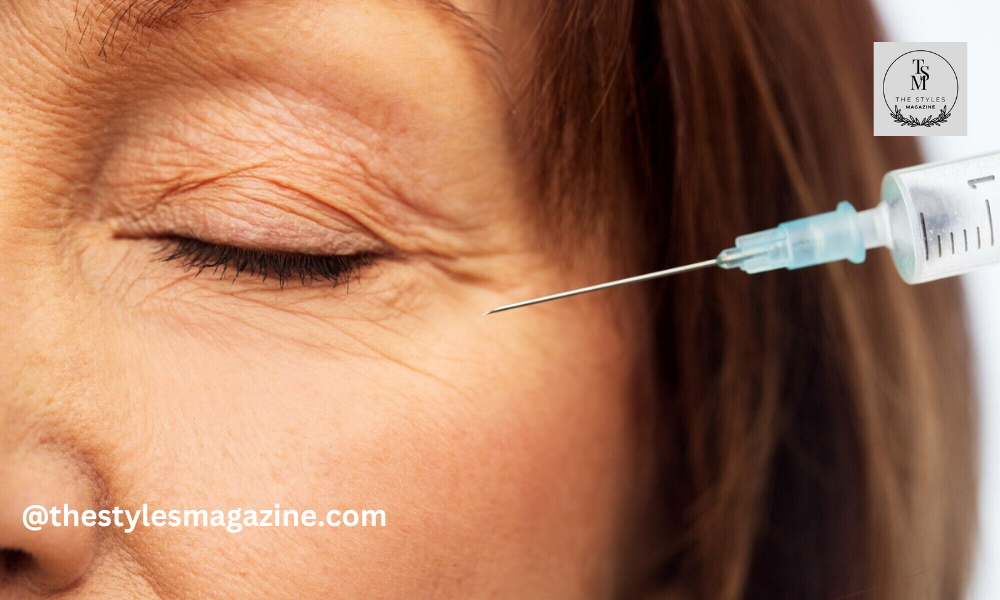
The skin around the eyes is the thinnest on the face, and it shows the signs of time sooner than anywhere else. Fine lines at the corners, a creased eyelid, or a tired look that no amount of sleep seems to fix — many people notice these changes and wonder what, if anything, can be done about them. Injectable treatments are one of the most talked-about options: a non-surgical approach that aims to soften lines and refresh the eye area with little interruption to daily life. Injectable treatments for eyelid wrinkles use carefully placed injections to relax or smooth the skin around the eyes, offering a gentle, non-surgical way to refresh the eye area with minimal downtime. This guide explains the four main reasons people choose injectable treatments, what the experience is generally like, and what to think about before deciding — so you can make an informed choice with a qualified professional.
Quick Guide
| Topic | What to know |
|---|---|
| What they are | Injectable treatments placed around the eyes to soften fine lines and refresh the area |
| Surgery or not | Non-surgical — no incisions and no general anaesthetic |
| Appointments | Often short, and most people return to normal activities the same day |
| Results | Gradual and subtle; effects are temporary and vary from person to person |
| Choosing a practitioner | Pick a qualified, experienced professional and ask about their training and approach |
| Key question | Ask what is realistic for your skin, your lines, and your expectations |
Step-by-Step Guide
- Learn what injectables can and cannot do. They aim to soften lines, not to remove them completely or to replace surgery.
- Book a consultation first. A qualified practitioner should assess your skin, discuss your goals, and explain the options before any treatment.
- Ask about the practitioner. Check their qualifications, experience with the eye area, and what aftercare they provide.
- Talk through expectations. Ask what a realistic result looks like for you, and how long effects may last.
- Prepare for the appointment. Follow the practitioner’s preparation advice, and plan a calm day afterwards.
- Follow aftercare carefully. Avoid rubbing the area and follow the specific aftercare instructions you are given.
- Review the result together. Attend any follow-up appointment and raise anything that concerns you promptly.
What Are Injectable Treatments for Eyelid Wrinkles?
Injectable treatments for the eye area generally fall into two broad groups. One group aims to relax the small muscles that crease the skin when you smile or squint, which can soften the lines that form around the eyes. The other group aims to add gentle support or smoothness beneath very fine lines, helping the skin look less creased and more rested. A qualified practitioner chooses the approach — and the product — based on your skin, the depth of your lines, and the look you want.
The eye area is delicate, and that is why this treatment is not a casual purchase. The skin is thin, the muscles are small and close to the eye itself, and small differences in placement can change the result. That is also why the choice of practitioner matters so much. A good practitioner will be honest about what is and is not achievable for your eyes, and will say no when a treatment is not right for you.
1. Non-Invasive And Gentle Option
The first reason people choose injectables is that they are a gentler alternative to surgery. There are no incisions, no stitches, and no general anaesthetic. The treatment involves a series of small injections around the eye area, carried out in a clinic setting, and most people describe the sensation as a brief sting rather than real pain. For people who want a visible refresh without the commitment and recovery of an operation, that gentleness is the main attraction.
This matters most for people who are not ready for surgery, or who do not need it. Eyelid surgery is a bigger step with a longer recovery, and it is designed for different problems — such as heavy or drooping lids. If the concern is mainly fine lines and a tired look rather than excess skin, a non-surgical option may be the more proportionate choice. It also suits people who want to try a change gradually: the effects are temporary, so if you decide the look is not for you, you are not committed to it permanently. That reversibility is a comfort for many first-time patients.
2. Quick Results And Convenient Procedure
The second reason is convenience. Appointments are often short, and many people fit one into a normal working day. There is no hospital stay, no bandaging, and no long period of hiding at home afterwards. Most people return to their usual activities the same day, which makes injectables realistic for busy lives — parents, professionals, and anyone who cannot take weeks off for recovery.
The results appear gradually rather than all at once, which suits people who prefer a subtle change rather than a sudden transformation. Friends and colleagues may notice that you look rested or refreshed without being able to say exactly what has changed, and that quiet, natural effect is precisely what most people want. It is worth remembering, though, that quick does not mean careless: a good practitioner will still take time over the consultation, the assessment, and the placement of each injection, because the eye area rewards precision.
3. Long-Lasting And Natural-Looking Effects
The third reason is the quality of the result. When injectables are placed well, the aim is a natural, balanced look: the eyes look smoother and more rested, while your face still looks like your face. Skilled practitioners work with small amounts and precise placement, so the result is a softening of lines rather than a frozen or overdone appearance. Subtle enhancement is the goal, and a good practitioner will tell you if you are asking for more than your skin can naturally deliver.
Effects are temporary and how long they last varies from person to person, depending on the product used, the area treated, and the individual’s own body. Some people find the effect lasts a few months, others longer, and maintenance sessions are usually needed to keep the result. That ongoing nature is worth building into your thinking before you begin: this is not a one-time purchase but a commitment that repeats over time, and the cost and the appointments should be part of the decision, not an afterthought.
4. Trusted And Safe Treatments
The fourth reason is trust. Injectable treatments have been used in cosmetic practice for many years, and the products in common use are made for this purpose and supplied through regulated channels. When they are given by a qualified professional, in a proper clinical setting, with products used as intended, they are a well-established part of modern cosmetic care. That track record is what gives people confidence — but it comes with a condition: the safety of the treatment depends heavily on who gives it and where.
Choose a practitioner who is properly qualified, who has specific experience with the eye area, and who works in a clean, professional clinic. Ask what products they use, what training they have had, and what aftercare and follow-up they provide. Be cautious of very cheap offers, home visits, or treatments offered without a consultation, because those are the situations where standards slip. And remember that no treatment is free of risk: bruising, swelling, and tenderness around the eye are common and usually settle, while more serious problems are uncommon but possible. A responsible practitioner will explain the risks honestly before you agree to anything.
What to Expect at Your Appointment
Knowing what a typical appointment looks like removes much of the nervousness. It usually starts with a consultation: the practitioner looks at your eye area, asks about your health and any medicines you take, and talks with you about what you want to achieve. They should also ask about allergies and about any previous cosmetic treatments.
The treatment itself involves a series of small injections around the eyes, and the practitioner will clean the skin first and may use a numbing cream if appropriate. You may feel a brief sting with each injection, and the area may look a little red or puffy immediately afterwards. Aftercare usually includes avoiding rubbing or pressing the treated area, avoiding strenuous exercise for a short period, and keeping the area clean. Your practitioner should give you written aftercare instructions and a way to contact them if you are worried about anything. If something feels wrong — unusual pain, vision changes, or swelling that worsens — contact your practitioner or seek medical advice promptly.
Setting Realistic Expectations
The most satisfied patients are the ones who arrive with realistic expectations, and that is worth saying plainly. Injectable treatments can soften fine lines and refresh the eye area, but they cannot turn back time, remove deep folds, or fix heavy, drooping eyelids. They cannot change your bone structure, and they will not make you look like someone else — nor should they. The best result is one that looks like a rested version of you.
It also helps to think about cost honestly. Because the effects are temporary, the expense repeats, and the total cost over a year or two is considerably more than the price of a single session. Ask for the full price before you commit, including any follow-up appointments. And if you are considering alternatives, remember that surgery, laser treatments, and good skincare each address different problems: surgery suits excess skin, while injectables suit fine lines. Our guide to face cosmetic surgery explains the surgical side in more detail, and our article on laser facelift benefits covers another non-surgical route worth comparing.
Conclusion
Injectable treatments for eyelid wrinkles appeal for four clear reasons: they are a gentle, non-surgical option; they fit easily into a busy life; they can give a natural, refreshed look; and they are a well-established treatment when given by a qualified professional. But the decision deserves care. The eye area is delicate, the effects are temporary, and the result depends on the hands that give the treatment. Learn what injectable treatments can and cannot do, choose your practitioner carefully, ask honest questions about risks and costs, and follow the aftercare you are given.
Frequently Asked Questions
Are injectable treatments for eyelid wrinkles safe?
They are well established when given by a qualified professional using proper products in a clinical setting. No treatment is risk-free, so ask your practitioner about possible side effects and choose someone experienced with the eye area.
How long do the effects of injectables last?
Effects are temporary and vary from person to person, depending on the product and the individual. Many people find they last a few months, and maintenance sessions are usually needed to keep the result.
Is there downtime after treatment?
Most people return to normal activities the same day. Some redness, swelling, or bruising around the eyes is common and usually settles, and your practitioner will give you aftercare instructions to follow.
Will injectables make me look unnatural?
They should not, when placed carefully by a skilled practitioner. The goal is a subtle, natural refresh that still looks like you, so discuss the exact look you want at your consultation.
What should I ask at my consultation?
Ask about the practitioner’s qualifications and experience with the eye area, what product they use, what result is realistic for you, what the risks are, what aftercare is needed, and what the full cost will be.
Disclaimer: This article is for general information only and is not medical advice. It does not replace the advice of a qualified medical professional. Please consult a qualified medical professional before deciding about any cosmetic treatment, and follow the instructions of the practitioner who treats you. The Styles Magazine does not accept guest posts, paid promotions, or advertising in its articles.
