
Introduction
Egypt is one of the rare destinations that rewards both a short visit and a long one. In a single week you can stand before the pyramids, sail the Nile, and walk through temples older than most civilisations. With ten days, you can slow down, add the southern temples and the Red Sea coast, and let the country breathe a little. An Egypt holiday of seven days covers the classic highlights of Cairo, Luxor, and a Nile cruise, while a ten-day trip adds Aswan, Abu Simbel, and time by the Red Sea. This guide lays out both itineraries day by day, with the practical advice that turns a good trip into an unforgettable one.
Quick Guide
| Trip length | Route | Best for |
|---|---|---|
| 7 days | Cairo, Giza, Luxor, Nile cruise | First-time visitors, classic highlights |
| 10 days | Cairo, Luxor, Aswan, Abu Simbel, Red Sea | Deeper history plus beach time |
| Best time to go | Cooler months, roughly October to April | Comfortable sightseeing and walking |
| Getting around | Domestic flights, trains, Nile cruise | Covering long distances efficiently |
| Guided or solo | A local guide for temples; solo time in cities | History plus freedom |
Step-by-Step Guide
- Pick your length first. Seven days covers the essentials; ten days adds the south and the sea.
- Book flights and the cruise early. Domestic flights and Nile cruises fill up in the cooler months.
- Start in Cairo. Give the pyramids, the Sphinx, and the museums two unhurried days.
- Head south to Luxor. Fly or take the train, then explore the temples and tombs over two days.
- Sail the Nile. A cruise between Luxor and Aswan is the most relaxing way to see the riverside temples.
- End with the sea. On a ten-day trip, finish at Hurghada or Sharm El Sheikh to rest before flying home.
- Check the practical details. Confirm entry requirements, travel advice, and insurance before you travel.
Why Egypt Stays With You
Egypt works on two levels at once. The monuments are on a scale that is hard to believe until you stand beneath them: the Great Pyramids of Giza, the Sphinx, the columns of Karnak Temple, and the painted tombs of the Valley of the Kings. But the trip is just as much about the smaller moments — bargaining in a Cairo market, sipping mint tea as the sun sets over the Nile, or watching a felucca glide past while the call to prayer drifts across the water.
The country suits many kinds of traveller. Couples find romantic evenings overlooking ancient temples. Families find an open-air history lesson their children will actually remember. Solo travellers find a place where it is easy to join a tour, meet a guide, and fall into conversation with locals. The key is planning the pace so the trip feels rich rather than rushed.
The 7-Day Itinerary: The Classic Route
This route captures the essence of Egypt in a balanced and exciting week.
Days 1–2: Cairo and Giza. Start at the Giza plateau with the Great Pyramids and the Sphinx, and allow half a day — the site is larger than most visitors expect, and the desert sun is strong. Spend the second day in Cairo itself: the Egyptian Museum’s treasures, the old streets of Islamic Cairo, and the Khan el-Khalili market for an evening walk. A short camel ride near the pyramids is a popular experience; agree the route and the price clearly before you set off.
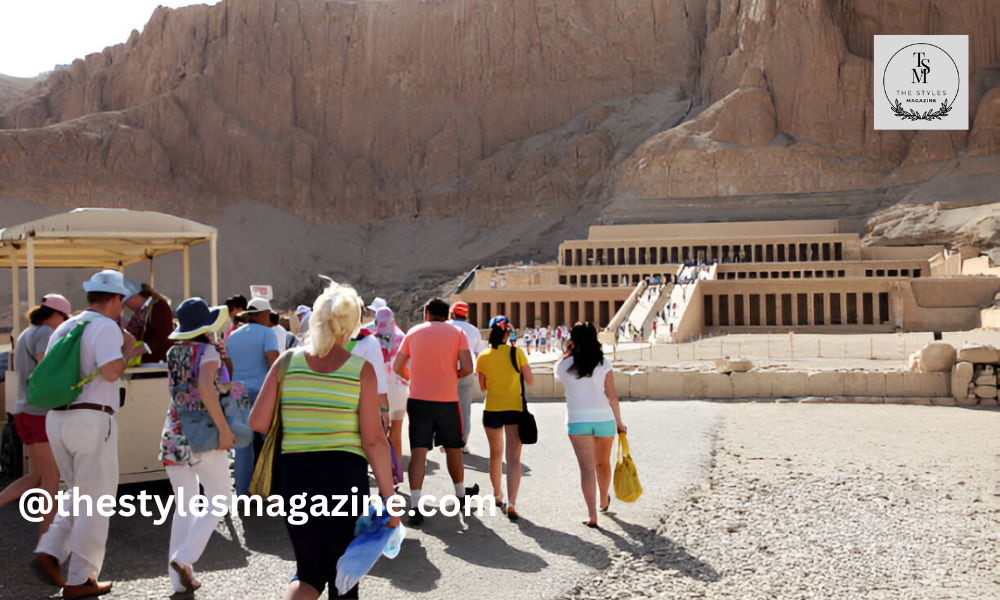
Days 3–4: Luxor. Fly or take the train south. Luxor is an open-air museum: the East Bank holds Karnak Temple and Luxor Temple, while the West Bank holds the Valley of the Kings, the Temple of Hatshepsut, and the Colossi of Memnon. A hot-air balloon ride over Luxor at sunrise is one of the most memorable things to do in Egypt, and it is best booked in advance. Allow two full days here; one is not enough.
Days 5–7: Nile cruise. Board a cruise from Luxor toward Aswan, stopping at Edfu and Kom Ombo along the way. Life on the river is slow in the best sense: temple visits in the morning, the sun on the deck in the afternoon, and dinner as the banks slide past. Arrive in Aswan for Philae Temple, reached by boat, and a gentle sail on a traditional felucca. Fly home from Aswan or return to Cairo.
The 10-Day Itinerary: Going Deeper
Three extra days change the trip from a highlights tour into a proper exploration.
Days 1–4: Cairo and Luxor. Follow the seven-day route, but give Cairo a third day. That extra day can hold a trip to Saqqara and the Step Pyramid, a slower look at the museums, or time in Coptic Cairo. In Luxor, the extra time lets you revisit a temple at a different hour of light, which feels like seeing a different place entirely.
Days 5–7: Aswan and Abu Simbel. Spend two days in Aswan: Philae Temple, the felucca sail, the Nubian villages, and the markets. Then take the day trip to Abu Simbel, the great twin temples near the Sudanese border. The early start is worth it — the statues at sunrise are one of the great sights of the ancient world.
Days 8–10: The Red Sea. Finish at Hurghada or Sharm El Sheikh, where sandy beaches and coral reefs offer diving and snorkelling. After a week of temples and early starts, two or three days by the water give the trip a natural, restful ending. If you prefer to stay inland, the extra days can instead go to Alexandria or the desert oases, both of which suit travellers who want something different from the standard route.
Practical Tips for Planning
When to go. The cooler months, roughly October to April, are the most comfortable for walking around temples. Summer is very hot, especially in Luxor and Aswan, and sites can feel exhausting by midday. If you travel in warm months, plan temple visits early in the morning and rest in the afternoon.
Getting around. Domestic flights make it easy to cover long distances quickly, and trains between Cairo and Luxor are a comfortable alternative. A Nile cruise is both transport and accommodation in one, and hiring a car with a driver is the simplest way to move around cities. Always confirm travel times the day before, as schedules can change.
Guides are worth it. A local guide adds the history that makes a pile of stones into a story, and takes care of tickets, transport, and timing. For the big temple sites, a guide is close to essential. For cities and markets, you can happily explore on your own.
Entry, money, and health. Check current entry requirements and your government’s travel advice before you book anything, as rules change. Carry some cash in small notes for tips and markets, and keep your passport and insurance details safe. Drink bottled water, use sunscreen, and pace the heat.
Etiquette and dress. Egypt is welcoming, and a little respect goes a long way. Dress modestly at religious sites, ask before photographing people, and learn a few Arabic greetings. Haggling in markets is normal and friendly — treat it as a conversation, not a contest.
Travel also brings packing decisions, and the same care applies. If a trip involves medical recovery or special needs, our guide to rhinoplasty and holiday travel packing and precautions is a useful reminder of how to plan carefully. For water-based parts of the journey, epic river journeys are a good reminder of why travelling by water is so special.
Beyond the Monuments
Some of the best of Egypt has nothing to do with temples. Eat well: try koshari, ta’ameya, fresh fish in Aswan, and the fruit juices sold on every corner. Take the time to sit in a cafe and watch a city go by. A desert safari, a camel ride, or an evening in a Nubian village can matter as much as any tomb. And if your trip includes the coast, remember that beaches change over time; our article on why your favourite beach might not be in the same place next summer is a reminder to enjoy the shoreline while you are there.
Active travellers will find plenty beyond the temples too. If you like your holidays to mix culture with movement, read about active travel near Benidorm for the same spirit in a different setting.
Conclusion
Seven days in Egypt gives you the wonders that made the country famous; ten days lets you see them without rushing and adds the south and the sea. Whichever length you choose, the formula is the same: start in Cairo, take Luxor slowly, let the Nile do some of the work, and leave room for the unplanned moments. Plan thoughtfully, travel patiently, and the magic of Egypt will stay with you long after you are home.
Frequently Asked Questions
Is seven days enough for Egypt?
Yes, for the classic highlights. Seven days covers Cairo, Giza, Luxor, and a short Nile cruise comfortably, though the pace is full and you will want to plan your days carefully.
What does a ten-day trip add?
It adds Aswan, the day trip to Abu Simbel, and time at the Red Sea. The extra days also slow the pace, so temples and cities can be enjoyed rather than rushed through.
When is the best time to visit Egypt?
The cooler months, roughly October to April, are the most comfortable for sightseeing. Summer is very hot, especially in Luxor and Aswan, so early mornings become essential.
Do I need a guide in Egypt?
For the major temple sites, a local guide makes a real difference, adding history and handling logistics. In cities and markets, you can explore comfortably on your own.
Is a Nile cruise worth it?
Yes. A cruise combines transport and accommodation, visits riverside temples you would otherwise travel to separately, and gives you relaxed afternoons on the water between sites.
Disclaimer: This article is for general information only and is not professional advice. Product and brand names appear for information only and do not imply endorsement. Travel requirements, prices, and conditions change often; please check official sources and your government’s travel advice before booking. The Styles Magazine does not accept guest posts, paid promotions, or advertising in its articles.
